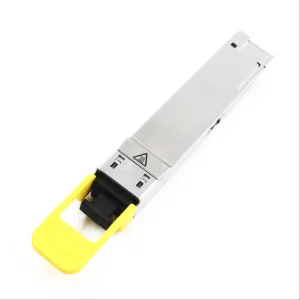
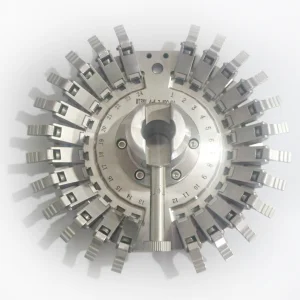
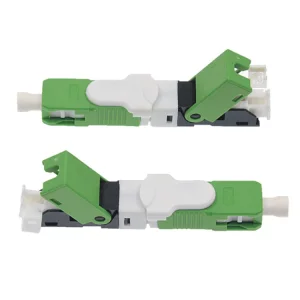
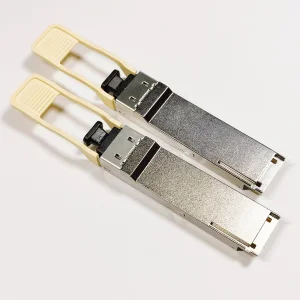
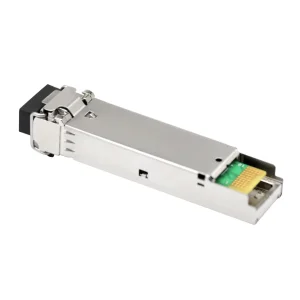
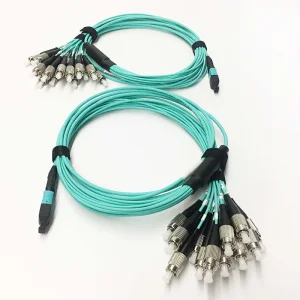
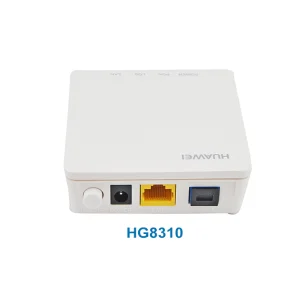
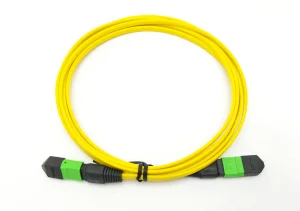
High-reliability active transceivers, fiber optic cables, and tooling engineered to withstand harsh environments and satisfy rigorous deployment requirements.
Established in 2012 in Hong Kong as a high-tech communication enterprise, Kocent Optec Limited has emerged as one of China's premier fiber optic termination product manufacturers and end-to-end optical solution providers.
We are passionately dedicated to developing, engineering, and manufacturing fiber optic communication products spanning both passive and active categories. Our high-performance components serve as the critical backbone for telecommunication networks, enterprise infrastructures, hyperscale data centers, and industrial automation networks worldwide.
By leveraging our extensive engineering experience and manufacturing capacity acquired over the years, we magnify the outcome for our valuable customers. This collaborative methodology expands their core competencies and helps them outperform global market competitors.

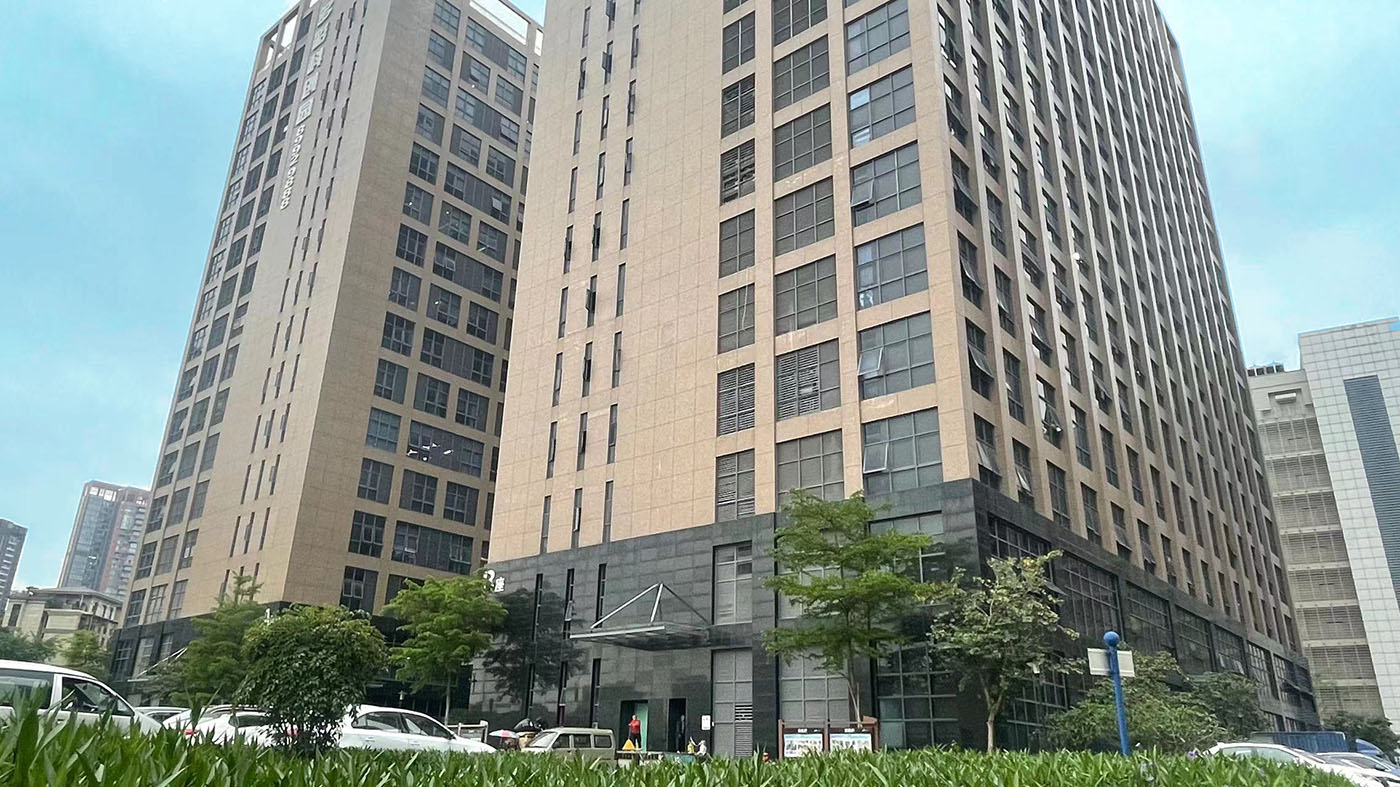
At Kocent Optec Limited, we prioritize customer-focused collaboration, positioning ourselves not merely as a vendor but as your strategic partner in fiber optic connectivity solutions. We believe our key differentiators—including advanced materials sourcing, optimized designs, and stringent testing—deliver direct competitive advantages to your operation.
With over 13 years of specialized experience manufacturing telecommunication-grade fiber optic products, we strictly adhere to rigorous global industry standards. Using mature, scientifically verified methods, we ensure that 100% of our products undergo thorough inspection and testing before shipment, preventing defective components from reaching the field.
A professional examination of armored fiber optic patch cords: engineering architecture, material composition, performance optimization, and global deployment benefits.
Modern high-speed communications demand physical layer infrastructure that resists physical damage while retaining optical performance. Standard non-armored fiber cables consist of glass cores, cladding, primary buffers, aramid yarn, and plastic jackets. While lightweight, they remain highly vulnerable to rodent attacks, accidental crush events, sharp bends, and heavy installation stress. Standard armored patch cords resolve this vulnerability through their layered structural engineering:
"By inserting a micro-diameter helical stainless steel sheath between the optical fiber buffer and the outer sheath, armored patch cords protect fragile glass cores from high lateral compression and physical puncture, ensuring continuous signal integrity under severe physical strain."
China's fiber optic manufacturing ecosystem provides major strategic advantages for network operators and infrastructure managers globally. In Shenzhen, Dongguan, and the Yangtze River Delta, raw materials, active optical modules, precision polishing machinery, and test instrumentation are concentrated within highly integrated industrial hubs. This geographic cluster offers significant benefits:
As hyperscale data centers and telecommunication networks migrate from legacy 10G/40G systems to 200G, 400G, and 800G configurations, patch cord design must evolve. High-bandwidth transceivers, such as the 800GBASE 2xDR4/DR8 OSFP or QSFP56 200G SR4, utilize complex PAM4 modulation formats. These advanced signals require excellent optical return loss and low connector insertion loss to maintain low Bit Error Rates (BER).
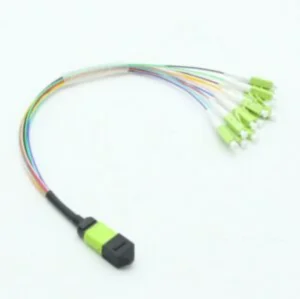
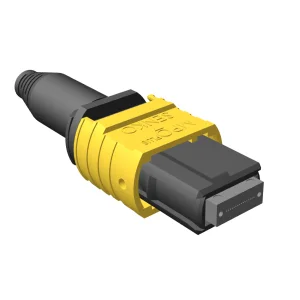
Modern armored patch cords incorporate bend-insensitive single-mode fibers (such as ITU-T G.657.A1/A2) and ultra-low-loss MTP/MPO connectors. By reinforcing high-density multi-fiber trunk cables (such as 12-fiber or 16-fiber MTP/MPO systems) with protective stainless steel armor, operators can confidently route dense links through cable trays, under floors, and within high-density patch panels without risking micro-bending losses or physical damage.
How armored patch cords and high-reliability assemblies perform across diverse and challenging physical environments.
In high-density network layouts, cabling in under-floor trays and overhead racks experiences significant pressure. Armored MTP/MPO and LC patch cords prevent crushing under the weight of overlying cables, maintaining low insertion loss and protecting dense optical fiber runs.
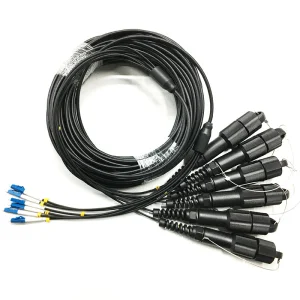
Connecting outdoor Baseband Units (BBU) and Remote Radio Heads (RRH) requires components that can withstand wind, rain, extreme temperatures, and wildlife. Custom PDLC outdoor field patch cords resist moisture, UV rays, and physical stress, ensuring reliable backhaul performance.
Manufacturing facilities, oil and gas plants, and transportation networks subject optical components to vibration, chemicals, and mechanical stress. Spiral-armored patch cords resist physical damage and chemicals, ensuring stable data transmission on the factory floor.
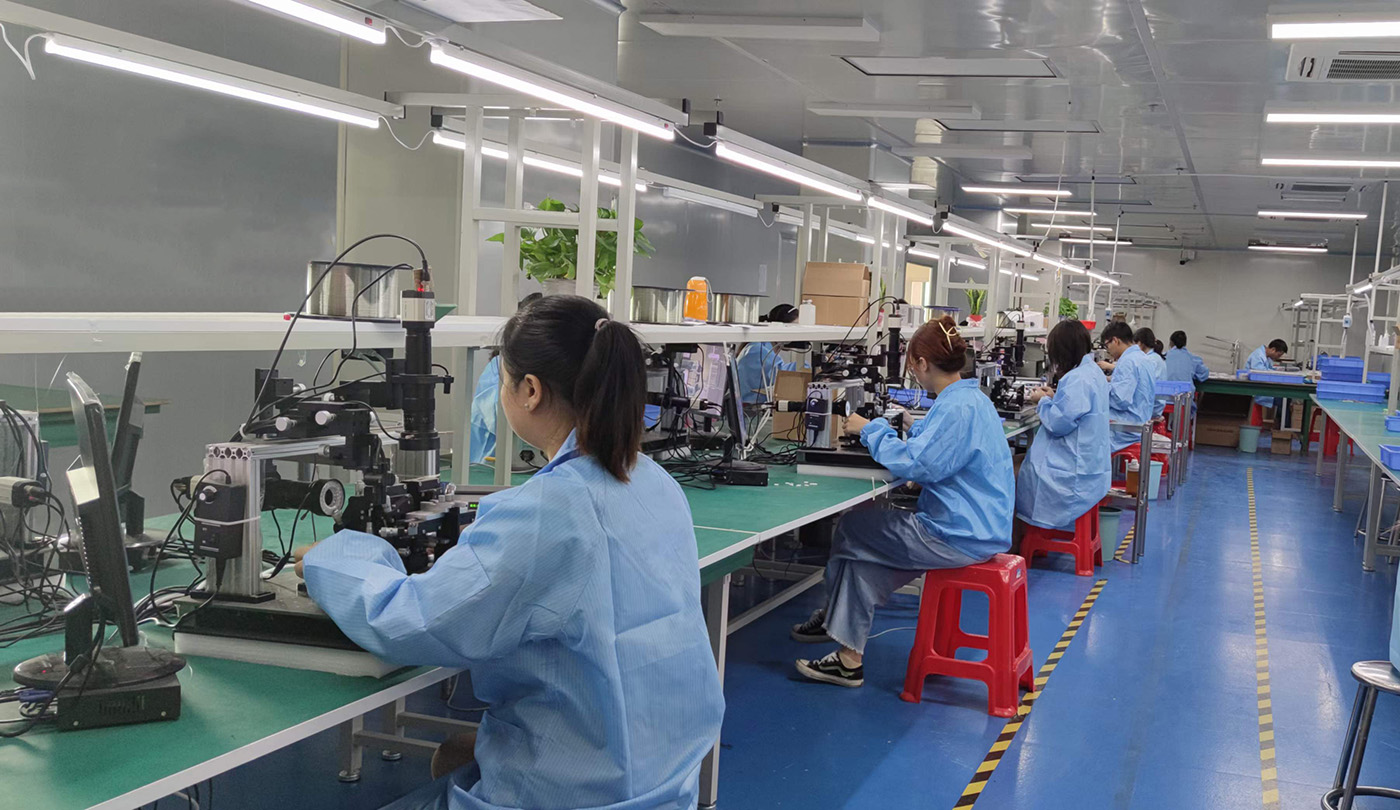
Years of sales and service experience have enabled us to build partnerships with customers in diverse markets, including East Asia, Southeast Asia, the Middle East, Eastern and Western Europe, Northern Europe, South and North America, and Northern and Southern Africa.
Win-win cooperation remains our primary objective. Many of our OEM and ODM products have been selected for Telecom Operator tenders, successfully meeting the demands of global end-users.
Our main terminal telecom operators include:
Technical and commercial answers to help network designers, procurement managers, and system integrators select the right fiber components.
Explore our specialized fiber termination solutions, high-density fiber patch panels, test accessories, and transceivers.
 KOCENT OPTEC