High-reliability passive components, splitter distributions, and optical enclosure designs compatible with enterprise networks.
Years Engineering Excellence
Before-Shipment Quality Testing
Global Operators Tendered
Supported Link Speeds
Strategic sourcing analysis of Fast Ethernet Small Form-Factor Pluggable (SFP) modules for legacy interface sustainability.
In the age of hyperscale data centers operating at 400G and 800G, the persistent global demand for 100M (100Base-FX/LX) SFP optical transceivers stands as a testament to the longevity of industrial legacy architectures. Critical infrastructural networks—spanning utility grids, railway signaling systems, municipal water distribution, and SCADA (Supervisory Control and Data Acquisition) operations—rely on stable, long-life cycles rather than raw bandwidth. Because these industrial platforms are designed for operational lifetimes of 20 to 30 years, upgrading to multi-gigabit hardware is neither cost-effective nor technically required for transmitting low-density diagnostic telemetry.
Procuring from China offers global operators a balance of price control and technical customization. Procurement managers face complex sourcing demands that require detailed attention to compatibility, operating temperature ranges, and long-term supply chain reliability. China's manufacturing clusters allow for customized transceiver coding to match older hardware from vendors like Cisco, Alcatel-Lucent, Siemens, and Hirschmann, preventing compatibility issues during upgrades.
While standard commercial-grade 100M SFP modules are priced as low-cost parts, the financial risk of choosing sub-standard optical modules is high. A single field failure in a remote power substation or railway line can lead to network downtime and expensive field repair dispatches that far exceed the initial savings of a cheaper module. Strategic sourcing focuses on selecting partners that use industrial-grade optical sub-assemblies (OSA) and perform comprehensive temperature testing.
Standard parameters for industrial and commercial Fast Ethernet pluggable transceivers.
| Standard Protocol | Fiber Type | Wavelength (nm) | Max Distance (km) | Connector Type | Operating Temperature |
|---|---|---|---|---|---|
| 100Base-FX | Multi-Mode (MMF) | 1310nm | 2 km | Duplex LC | -40°C to +85°C (Ind.) / 0°C to 70°C (Com.) |
| 100Base-LX10 | Single-Mode (SMF) | 1310nm | 10 km / 15 km | Duplex LC | -40°C to +85°C (Ind.) / 0°C to 70°C (Com.) |
| 100Base-EX | Single-Mode (SMF) | 1310nm / 1550nm | 40 km | Duplex LC | -40°C to +85°C (Ind.) |
| 100Base-ZX | Single-Mode (SMF) | 1550nm | 80 km / 120 km | Duplex LC | -40°C to +85°C (Ind.) |
| 100Base-BX10-D / U | Single-Mode (SMF - BiDi) | Tx1310 / Rx1550 (or vice versa) | 10 km / 20 km | Simplex LC | -40°C to +85°C (Ind.) / 0°C to 70°C (Com.) |
Integrating Fast Ethernet transceivers into modern optical transport, smart grids, and industrial control loops.
Smart substation communications demand compliance with IEC 61850 standards. The electromagnetic interference (EMI) typical of power distribution nodes requires fiber media conversion. 100M SFPs with industrial temperature ratings (-40°C to +85°C) provide the physical link to control relays and remote terminal units (RTUs), ensuring stable performance during extreme temperature fluctuations.
Railway control networks use optical links to cover long trackside distances. 100Base-ZX SFPs reach up to 120km without needing inline regenerators. Built-in Digital Diagnostic Monitoring (DDM/DOM) allows remote technicians to track optical transmit/receive power levels, laser bias current, and operating temperatures, simplifying maintenance.
For operations running mixed infrastructure, utilizing media converters with modular SFP ports allows for flexible network design. Enterprises can run 100M Fast Ethernet over existing single-mode or multi-mode fiber backbones, delaying expensive upgrades of core switches and field hardware until necessary.
The roadmap for 100M SFP optics focuses on component integration, reduced power use, and multi-rate flexibility. Modern transceiver silicon designs allow single modules to negotiate speeds from 100Mbps up to 1.25Gbps (100/1000Base auto-sensing SFPs). This enables operators to deploy hardware today that can match future network updates without physical module swaps. Additionally, switching from traditional dual-fiber systems to Bi-Directional (BiDi) single-fiber modules allows networks to double their capacity using their current fiber setup, cutting down on extra infrastructure costs.
Direct factory-level execution, OEM/ODM versatility, and tested compliance for global operators.
Established in 2012 in Hong Kong as a high-tech communication enterprise, Kocent Optec Limited is one of China's leading fiber optic termination product manufacturers and solution providers.
We are dedicated to developing and manufacturing fiber optic communication products ranging from passive to active categories for telecommunication networks, enterprise networks, and data centers. By leveraging our extensive experience and production capacity, we help our clients improve operational outcomes and maintain competitive advantages.
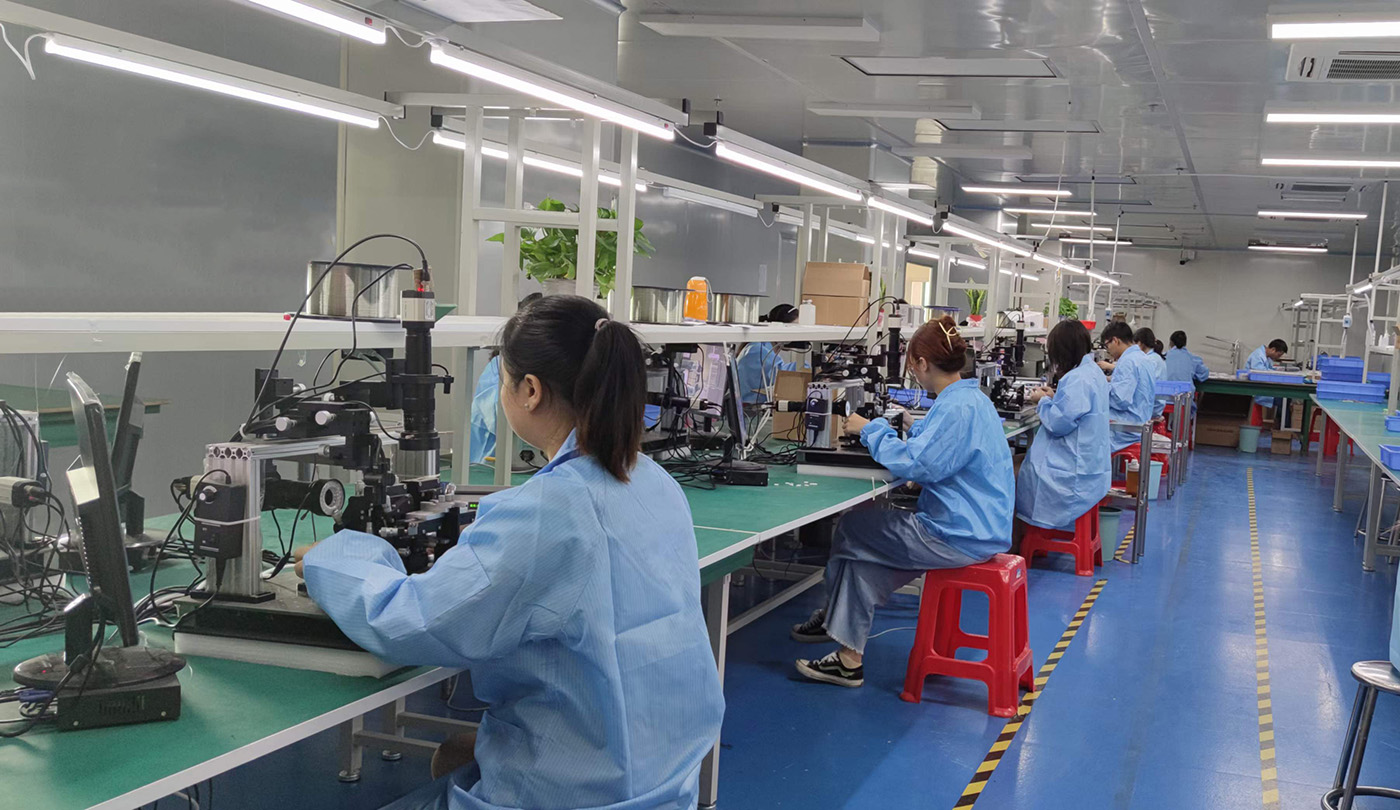
With more than 13 years of experience in manufacturing telecommunication fiber optic products, we strictly follow industry standards using mature scientific methods. We ensure that 100% of our products are tested and inspected before shipment to meet your delivery schedules reliably.


We place high value on client collaboration and view ourselves as a direct partner in developing optical connection solutions. Years of sales and service experience have helped us win customers across multiple regions, including East Asia, Southeast Asia, the Middle East, Eastern Europe, Western Europe, Northern Europe, South America, North America, North Africa, and South Africa.
Win-win cooperation remains our consistent goal. Many of our OEM and ODM products have won Telecom Operator tenders and continue to meet demanding end-user requirements.
Our main terminal telecom operators include: SingTel, Vodafone, America Movil, Telefonica, Bharti Airtel, Orange, Telenor, VimpelCom, TeliaSonera, Saudi Telecom, MTN, Viettel, Bitel, VNPT, Laos Telecom, MYTEL, Telkom, Telekom, Entel, FiberTel, StarFiber, Ooredoo, Beeline, Azercell.
Our production facilities utilize automated testing equipment to verify link performance, optical eye diagrams, wavelength accuracy, and system compatibility, matching the strict standards required by these global carriers.
Ensuring global trade compliance, import eligibility, and interoperability with major switch vendors.
Enterprise deployments must align with international standards. All products manufactured by Kocent Optec comply with major quality frameworks and environmental directives:
Compatibility issues can occur if a transceiver lacks the correct EEPROM coding for the target host switch. We maintain a database of manufacturer-specific configuration codes, allowing us to deliver 100M SFPs pre-coded for brands like Cisco, Huawei, H3C, HP, Juniper, Allied Telesis, and Brocade, which supports smooth field deployments.
Expert technical insights regarding 100M SFP procurement, pricing, and system deployment.
100M SFP pricing depends on four main elements: 1) Temperature rating (industrial-grade parts require components that cost more to source and test than commercial-grade parts); 2) Transmission distance (longer runs like 80km or 120km require more sensitive APD receivers and DFB lasers instead of standard FP lasers); 3) Simplex BiDi vs. Duplex (BiDi modules require specialized optical diplexers, which increases assembly costs but saves on fiber cabling); 4) Custom compatibility coding requirements for proprietary host switches.
This depends on the host switch's hardware design. Many modern gigabit switches feature multi-rate ports that can auto-negotiate down to 100Mbps, but some 10G SFP+ ports do not support speeds below 1G. We recommend checking your switch documentation to see if manual port configuration (speed override) is required before installing 100M SFPs.
100Base-FX is designed for Multi-Mode Fiber (MMF) networks, utilizing a 1300nm/1310nm LED or laser light source for short runs, typically up to 2km. 100Base-LX10 operates over Single-Mode Fiber (SMF) using a laser diode at 1310nm, supporting distances of 10km to 15km. They are not compatible directly unless linked via a media converter or active switch.
We maintain a strict quality control workflow. Every transceiver and cable assembly goes through automated testing using precision optical spectrum analyzers and bit error rate testing equipment. We also run environmental burn-in testing on industrial-grade orders to ensure performance under extreme conditions.
DDM provides real-time access to key transceiver parameters such as operating temperature, supply voltage, laser bias current, optical transmit power, and optical receive power. This helps engineers monitor link degradation, locate fiber faults, and perform preventive maintenance before a complete link outage occurs.
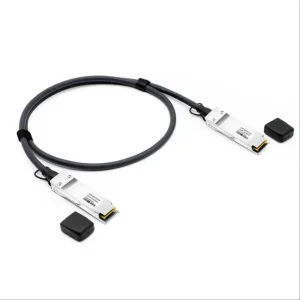
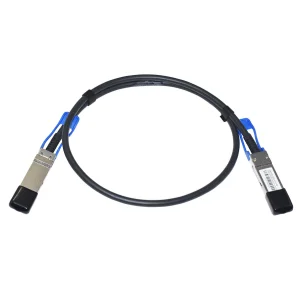
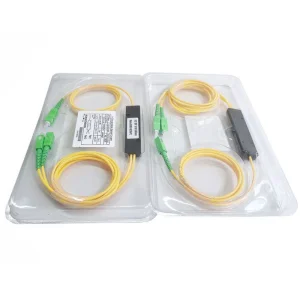
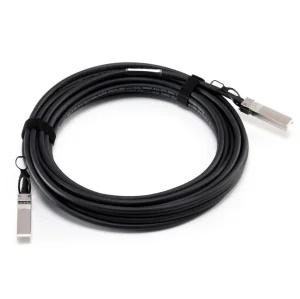
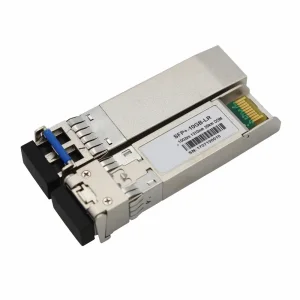
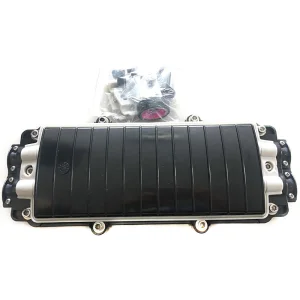
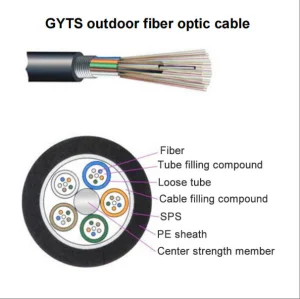
Expand capacity with direct attach copper cables, FBT splitters, active transceivers, and pipeline fiber cables.
 KOCENT OPTEC