Explore our top featured interconnect catalog, built to international telecommunication standards with direct factory-pricing.
A comprehensive examination of QSFP28 100G ZR4 architecture, cost structures, and global deployment considerations.
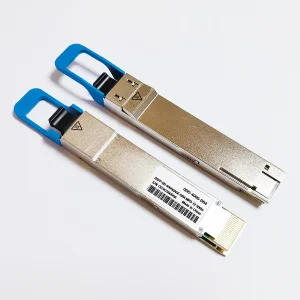
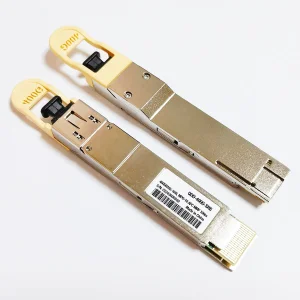
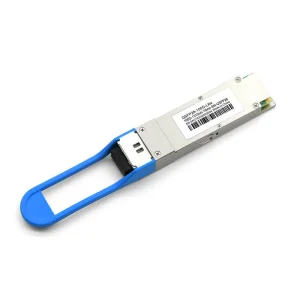
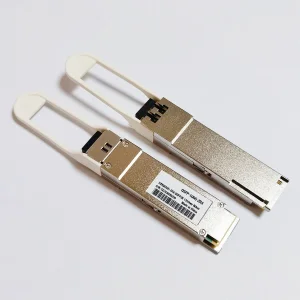
In modern optical networking, the demand for long-distance, high-capacity transmission has grown exponentially. The transition from 10G networks to 100G networks was historically constrained by the high cost of DWDM coherent transceivers. However, the introduction of the QSFP28 100G ZR4 standard has revolutionized long-reach link design by eliminating the need for expensive, power-hungry coherent transponders in point-to-point connections under 80km.
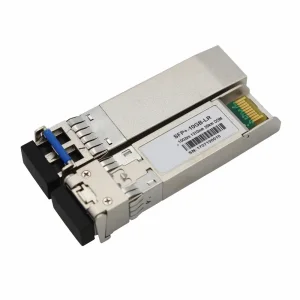
Unlike short-reach optics (SR4) or intermediate-reach options (LR4, ER4), the 100G ZR4 module employs 4 lanes of high-stability LAN-WDM optical transmitters (operating in the 1295nm to 1309nm range). It incorporates an integrated optical multiplexer/demultiplexer alongside a Semiconductor Optical Amplifier (SOA) inside the transceiver package. The internal SOA acts as a pre-amplifier, boosting incoming signals prior to the PIN photodiode receiver, which allows the link budget to overcome the massive attenuation of 80km single-mode fiber (SMF) without requiring external inline erbium-doped fiber amplifiers (EDFAs).
When telecommunication procurement managers search for "cheap" 100G ZR transceivers, the objective is not to compromise on quality but rather to find optimized manufacturing platforms that reduce Total Cost of Ownership (TCO). High manufacturing yield rates, automated optical alignment processes, and optimized optical sub-assemblies (OSA) allow factories like Kocent Optec to deliver carrier-grade modules at wholesale rates.
A true cost-efficient 100G ZR transceiver must feature robust Forward Error Correction (FEC) support on the host platform, enabling it to bridge 80km spans while maintaining a Bit Error Rate (BER) of less than 1E-12. By manufacturing in large-scale facilities using automated testing jigs, we significantly reduce manual labor and tuning costs, translating direct factory savings to global system integrators and telecommunication providers.
Selecting the appropriate module depends heavily on link distance, power consumption tolerances, and budget limitations. Below is a detailed technical comparison of the primary 100G extended-reach architectures:
| Technical Parameter | 100G LR4 | 100G ER4 (with FEC) | 100G ZR4 (QSFP28) | 100G Coherent DWDM |
|---|---|---|---|---|
| Max Distance | 10km | 40km | 80km | Up to 1000km+ |
| Optical Grid | LAN-WDM (4 Ch) | LAN-WDM (4 Ch) | LAN-WDM (4 Ch) | ITU-T Flex Grid Single Carrier |
| Laser Type | DFB / EML | EML (Electro-absorption Modulated) | High-power cooled EML | Tunable Narrow-linewidth ITLA |
| Amplification Required | None | None (Optional Host FEC) | Integrated SOA Pre-Amp | Inline EDFA + DSP Dispersion Comp |
| Power Consumption | < 3.5W | < 4.5W | < 6.0W (typical 5.5W) | > 15W - 20W |
| Relative Cost Index | Low (1.0x) | Moderate (1.8x) | Optimized (2.5x) | Very High (8x - 10x) |
Deploying 100G ZR4 modules at scale requires a cohesive ecosystem of passive and active fiber infrastructure. Optical modules cannot operate in isolation; their performance is heavily dependent on the quality of the fiber termination points. Optical fiber loss budgets at 80km are exceptionally tight, typically allowing for no more than 27dB of total attenuation, including connectors, splices, and patch panels.
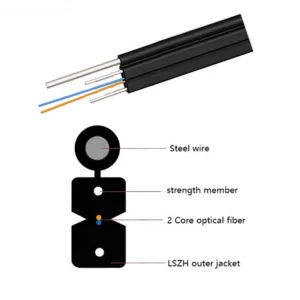
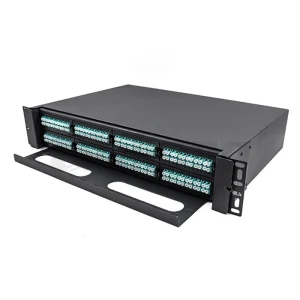
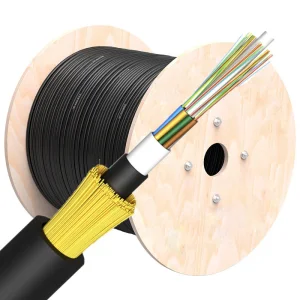
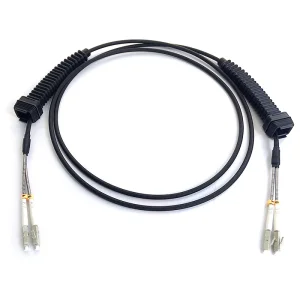
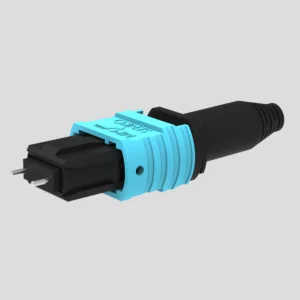
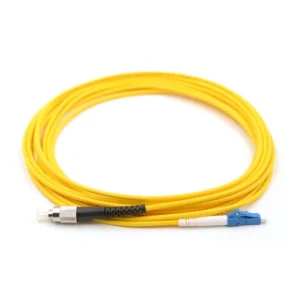
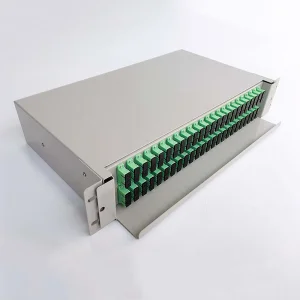
To maximize system margins, operators must deploy high-density termination hardware, such as drawer-type 96-core fiber optic patch panels and high-density 2U 192fo MTP/MPO panels. Additionally, the patch cords (e.g., LC/UPC simplex or duplex single-mode fibers) must feature extremely low insertion loss (<0.2dB) and high return loss (>55dB). Field fiber deployments also require specialized rugged drop cables (like FTTH drop cables GJYXFCH) to withstand harsh environmental conditions while preserving the optical path integrity.
A trusted partner in active transceivers and high-performance fiber optic termination components since 2012.
Established in 2012 in Hong Kong as a high-tech communication enterprise, Kocent Optec Limited has grown to become one of China's leading fiber optic termination product manufacturers and solution providers.
We are fully dedicated to developing, engineering, and manufacturing an extensive portfolio of fiber optic communication products. Our offerings range from passive fiber components to active high-speed transceivers, designed specifically for modern telecommunication networks, enterprise structures, and hyperscale data centers.

By leveraging our extensive engineering experience and excellent production capacity gained over the years, we magnify the outcome for our valuable customers. This ultimately expands their core competencies and helps them outperform competitors in a dynamic market environment.
We place critical emphasis on customer collaboration. We do not define ourselves merely as a vendor; rather, we act as your strategic, valuable partner in fiber optic connection solutions. We believe our technical differentiators and strict quality controls represent a major advantage to your network architecture.
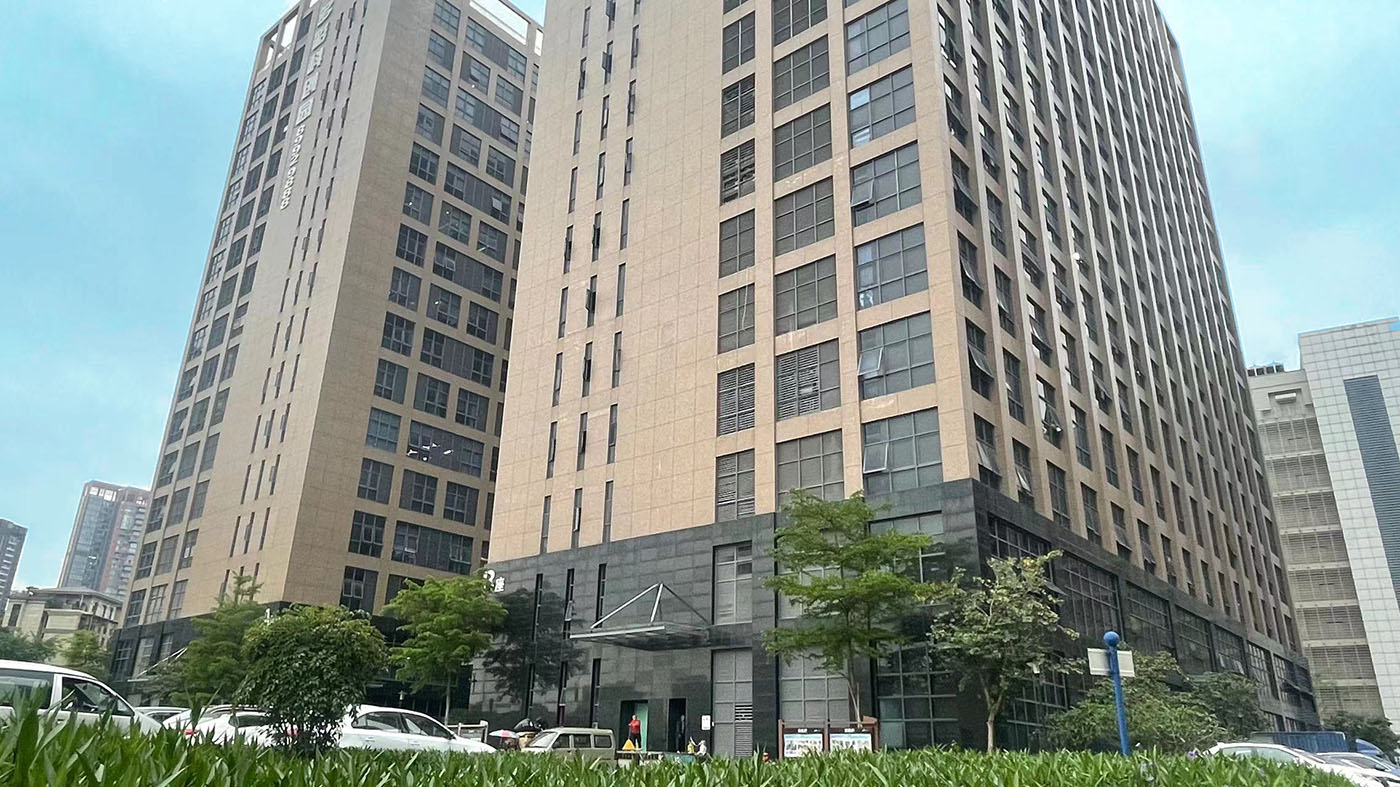
With more than 13 years of specialized experience in manufacturing telecommunication fiber optic products, we strictly adhere to rigorous international fiber optic industry standards (including Telcordia GR-326-CORE and GR-468-CORE).
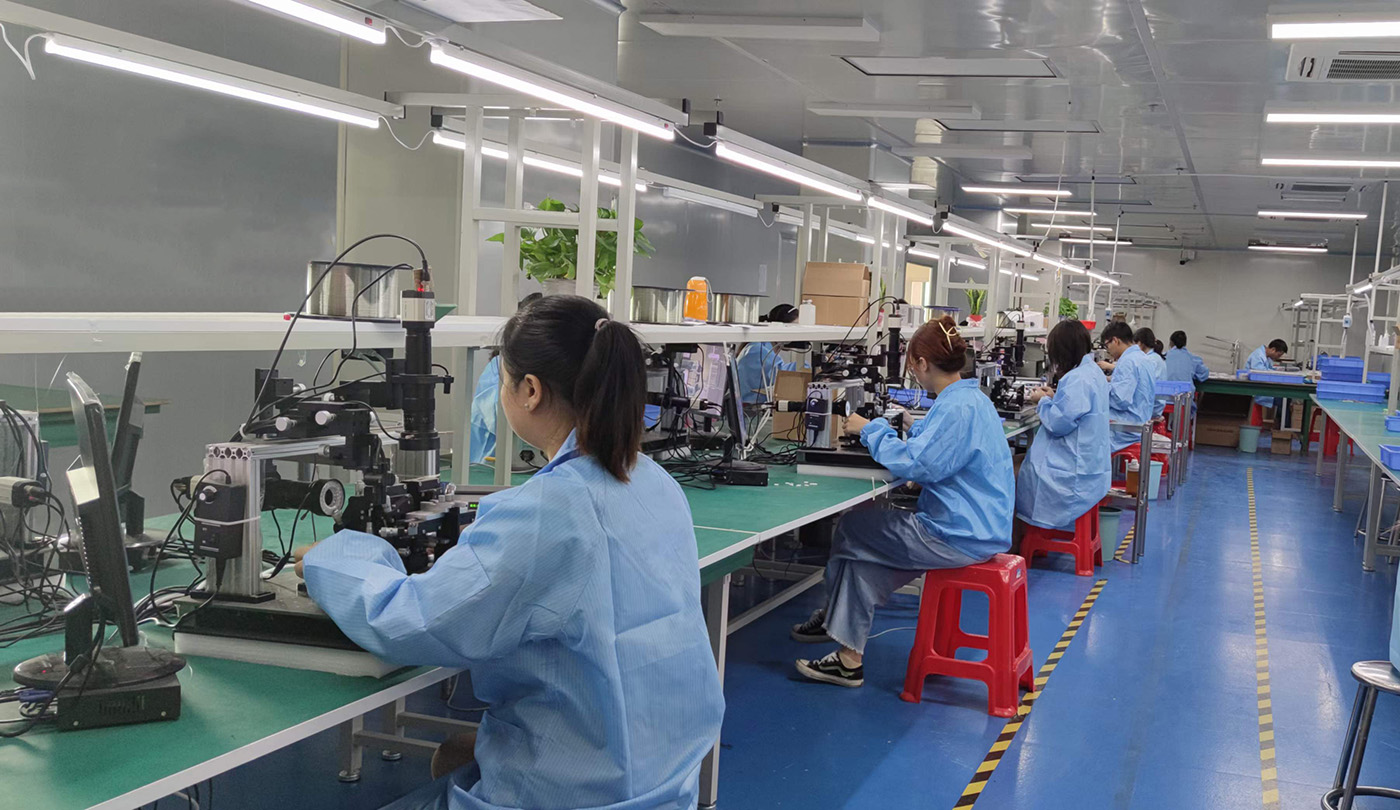
Our facility utilizes mature scientific methods and automated testing stations to deliver your orders on time. We ensure that 100% of our products are thoroughly tested, verified, and inspected before shipment, checking parameters such as insertion loss, return loss, optical eye-diagrams, and host switch compatibility.
Years of intensive sales and customer-centric service experience have enabled us to win clients across diverse regions. Today, Kocent Optec has established a global footprint, serving networks across East Asia, Southeast Asia, the Middle East, Eastern Europe, Western Europe, Northern Europe, South America, North America, North Africa, and South Africa.
Our win-win cooperation strategy is our guiding principle. Many of our OEM and ODM products have successfully won major Telecom Operator tenders and met the most demanding end-user requests.
Our primary terminal telecom operators and end-users include:
How Kocent Optec keeps your long-haul networks compliant and prepared for the next generation of bandwidth expansion.
Our QSFP28 100G ZR4 modules comply with IEEE 802.3ba, SFF-8665, and SFF-8636 MSA specifications. We guarantee seamless interoperability across Cisco, Juniper, Arista, Huawei, and other major routing and switching platforms.
Through optical component integration (combining mux/demux, SOA, and PIN elements directly onto a single silicon optical bench), we reduce assembly complexity, lowering overall costs and offering true factory-direct wholesale pricing.
As networks scale, Kocent Optec's roadmap aligns with QSFP-DD 400G ZR/ZR+ coherent architectures and 800G coherent optics, supporting seamless migration paths without requiring structural changes to your passive fiber cabling.
Everything you need to know about purchasing, deploying, and utilizing 100G ZR4 optical modules.
Expand your network capabilities with our diverse portfolio of high-density passive panels, patch cords, and fiber optic manufacturing gear.
 KOCENT OPTEC