High-performance transceivers and interconnect products deployed in carrier-grade systems across Mumbai's metropolitan networks.
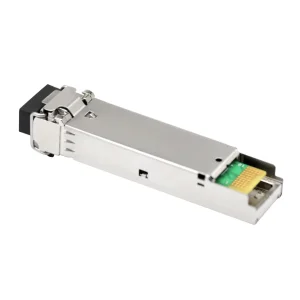
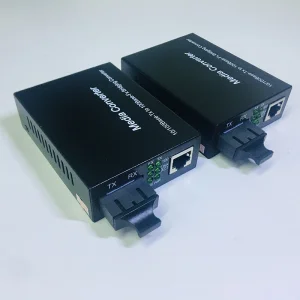
As India's financial hub and leading data center market, Mumbai is experiencing an unprecedented surge in digital infrastructure development. Key industrial pockets like Navi Mumbai (Airoli, Mahape), Chandivali, and Thane are now home to some of the world's largest hyperscale data centers, operated by industrial leaders such as NTT, Equinix, CtrlS, and Yotta. This massive regional density of digital applications demands a network infrastructure capable of handling terabits of throughput with ultra-low latency, making reliable SFP+ and QSFP optical transceiver solutions the critical link in Mumbai's modern digital backbone.
Within Mumbai's local hosting environments, operators are transitioning legacy 10G SFP+ links to 40G QSFP+, 100G QSFP28, and even 400G QSFP-DD form factors. This scaling allows network architects to maximize bandwidth per rack unit, reduce power consumption, and maintain signal integrity. In financial centers such as Bandra Kurla Complex (BKC), where millisecond-level latencies dictate market dynamics, the choice of optical transceiver modules becomes a crucial operational decision.
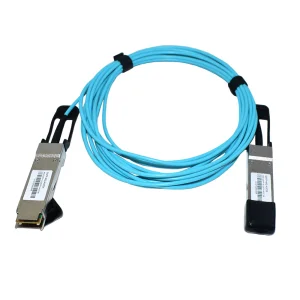
High-speed QSFP28/QSFP-DD and AOCs linking critical nodes in Navi Mumbai to main server clusters in south Mumbai.
Optimized SFP+ transceivers for algorithmic trading systems operating out of BSE & NSE colocation facilities.
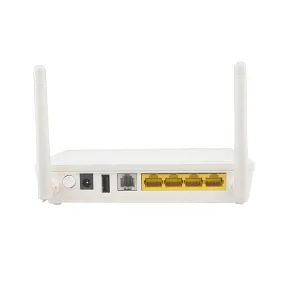
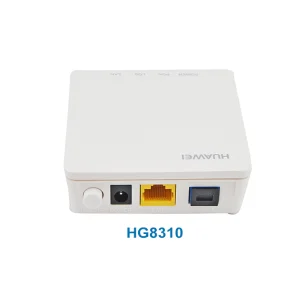
Robust ONU/OLT equipment and high-stability transceivers catering to local municipal and telecom networks.
To support high-density installations in Mumbai's tropical climate, optical components must meet stringent technical specifications. Industrial-grade materials, advanced laser diodes (VCSEL, DFB, and EML), and integrated Digital Optical Monitoring (DOM) are critical factors. This technology allows real-time diagnostics on parameters such as optical output power, receiver sensitivity, operating temperature, and bias current.
All transceivers produced must strictly comply with industry standards to ensure universal compatibility with hardware manufacturers like Cisco, Juniper, Arista, and Huawei. By utilizing standard MSA specifications (SFF-8431 for SFP+ and SFF-8436 for QSFP+), we ensure that our equipment integrates seamlessly into mixed-brand architectures, reducing both capital and operational expenditure.
Leveraging Chinese manufacturing capabilities offers unique advantages in securing the optical network supply chain for Indian projects. Shenzhen and Hong Kong house the most concentrated research, development, and assembly ecosystems for optoelectronics globally. By managing everything from wafer dicing to final package assembly, Chinese manufacturers provide cost-efficiencies, component-level traceability, and agile product development services.
For Mumbai's procurement managers, this translates to predictable lead times, customized design modifications, and competitive pricing structures. Whether you require custom lengths for active optical cables (AOCs) or specialized firmware configurations for legacy network switches, our integrated facility bridges the gap between raw manufacturing and practical field implementation.

Kocent Optec Limited, established in 2012 in Hongkong as a hi-tech communication enterprise, is one of China's leading fiber optic termination product manufacturers and solution providers.
We're dedicated to developing and manufacturing fiber optic communication products ranging from passive to active categories for telecommunication networks, enterprise networks, and data centers.
By leveraging our extensive experience and excellent production capacity we gained over the years, we magnify the outcome for our valuable customers, which ultimately expands their core competencies and helps them outperform competitors. We place emphasis on customer collaboration, and we define ourselves as your valuable partner in fiber optic connection solutions. We believe our differentiators are your perceived advantages.
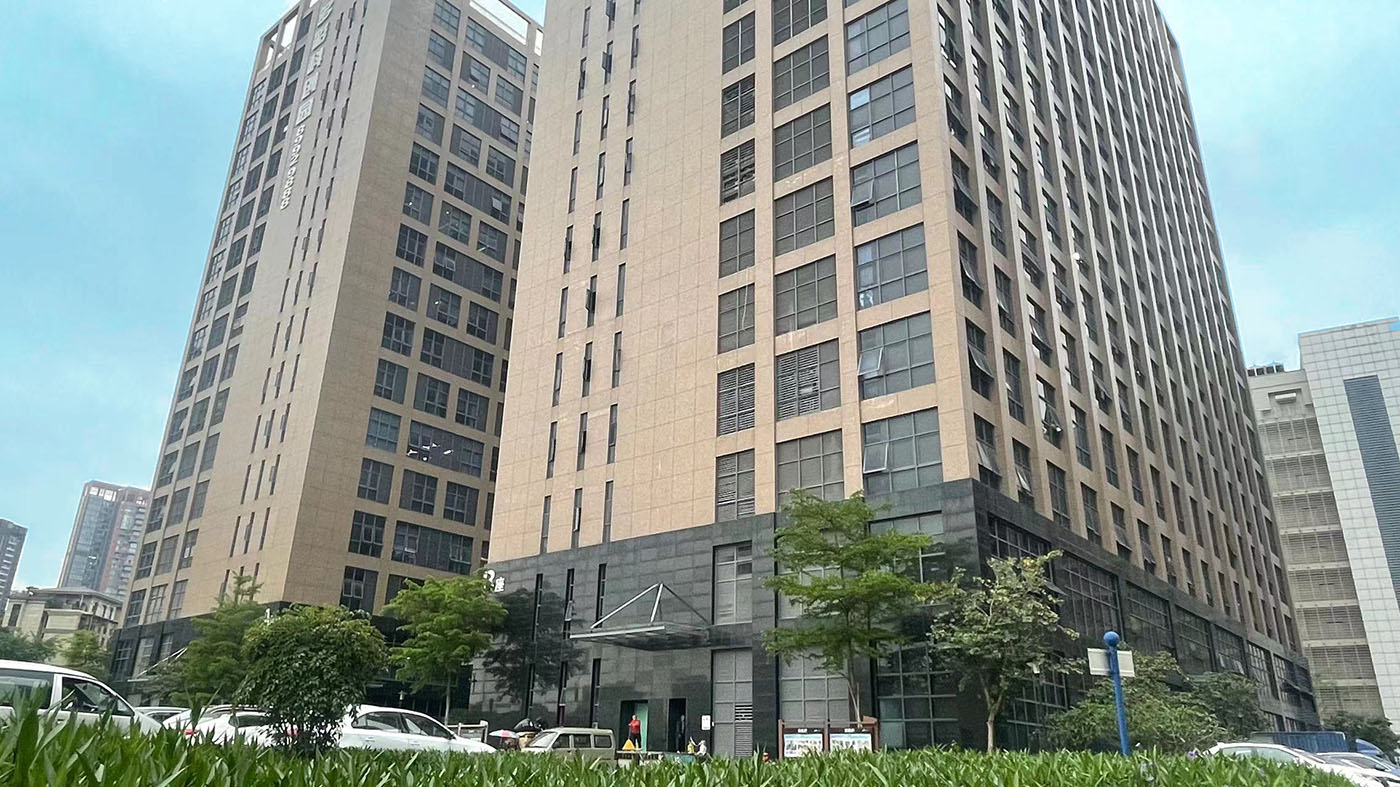
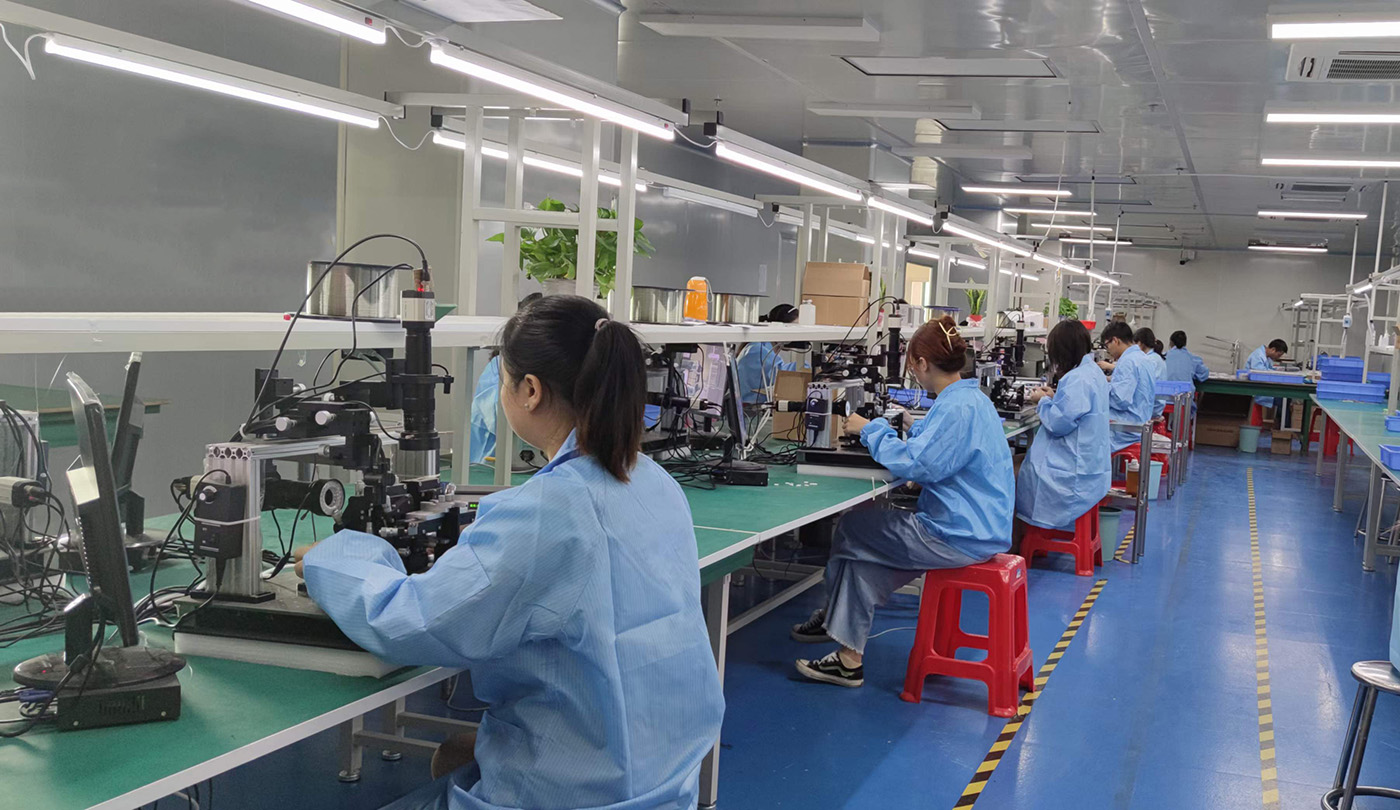
With more than 13 years of experience in manufacturing telecommunication fiber optic products, we follow strictly fiber optic industry standards by using mature scientific methods to deliver your products on time and ensure that 100% products are tested and inspected before shipment.
Years of sales and service experience have enabled us to win customers from different regions. Today, we have customers from East Asia, Southeast Asia, Middle East, Eastern Europe, Western Europe, Northern Europe, South America, North America, North Africa, and South Africa.
Win-win cooperation is our constant goal. Many our OEM and ODM products won the Telecom Operator tender and satisfy end-user request.
Our main terminal telecom operators include: SingTel, Vodafone, America Movil, Telefonica, Bharti Airtel, Orange, Telenor, VimpelCom, TeliaSonera, Saudi Telecom, MTN, Viettel, Bitel, VNPT, Laos Telecom, MYTEL, Telkom, Telekom, Entel, FiberTel, StarFiber, Ooredoo, Beeline, Azercell.
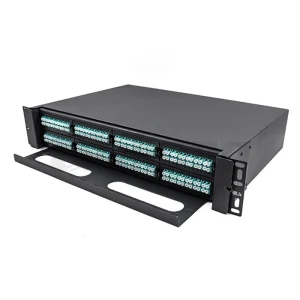
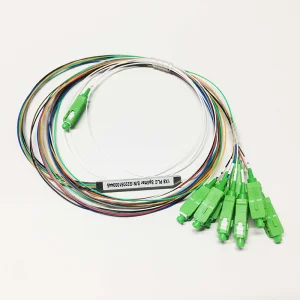
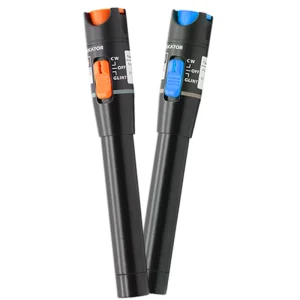
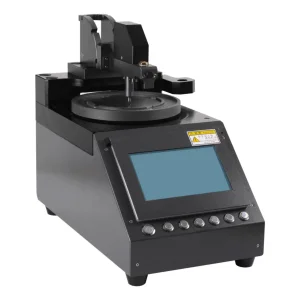
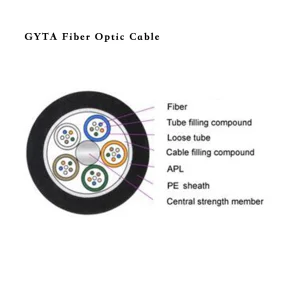
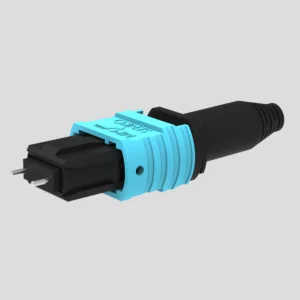
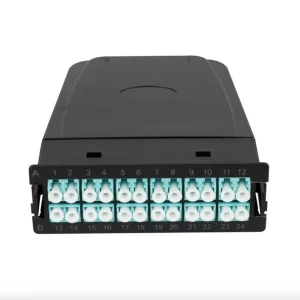
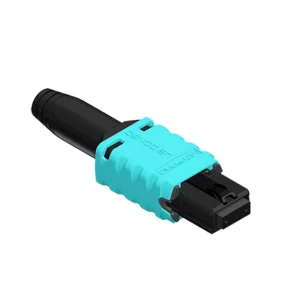
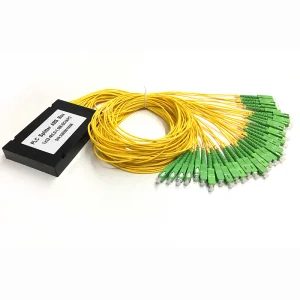
Explore our extended portfolio of passive distribution devices, FTTH terminals, and infrastructure tools.
Technical answers regarding compatibility, local logistics, customs clearance, and procurement of SFP+ & QSFP transceivers for the Mumbai market.
Every module undergoes systematic diagnostic tests using our physical host matrix (featuring legacy and modern Cisco, Juniper, Arista, and HP switches) at our manufacturing plant. We write custom EEPROM firmware matching the exact hardware configuration files required by target host devices, avoiding port lockout errors or diagnostic warnings on-site.
We support various delivery terms including FCA, FOB, and CIF. For Mumbai-based clients, air shipments typically arrive at Chhatrapati Shivaji Maharaj International Airport within 3-5 business days. We provide comprehensive commercial invoices, packaging slips, Bills of Lading, and certificate profiles to streamline Indian customs clearance procedures.
Yes. All of our SFP+ and QSFP modules support DOM/DDM interfaces according to SFF-8472 specifications. This capability allows network administrators in Mumbai's data centers to remotely monitor optical output power, receiver input power, laser bias current, module temperature, and supply voltage levels.
We supply commercial (0°C to 70°C), extended (-20°C to 85°C), and industrial-grade (-40°C to 85°C) transceivers. For outdoor cabinets, telecom backhaul systems, and metropolitan installations across Mumbai that experience high ambient temperatures and humidity, we recommend industrial-grade modules to ensure stability and reduce link degradation.
 KOCENT OPTEC