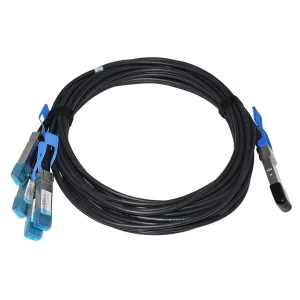
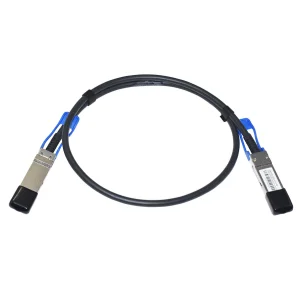
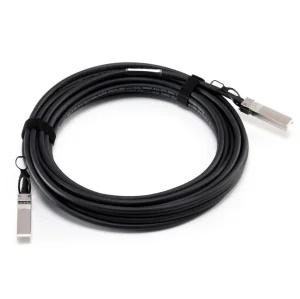
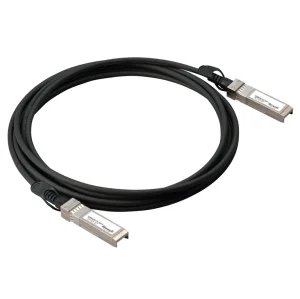
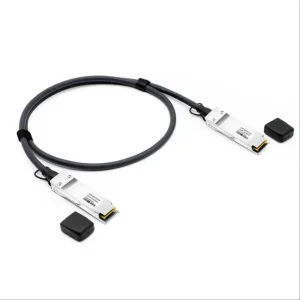
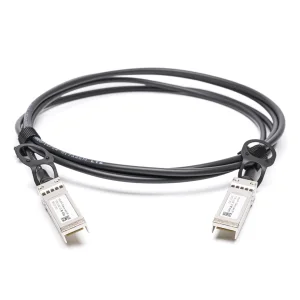
Direct Attach Copper (DAC) cables designed for top-of-rack leaf-spine architectures with zero latency and power efficiency.
Barcelona has emerged as one of Europe’s most strategic subsea cable and colocation hubs, acting as a crucial digital gateway connecting Southern Europe, North Africa, and the Middle East. Driven by major data center developments in areas like Zona Franca, Cerdanyola del Vallès, and the wider Catalonia region, operators require high-density, ultra-low-latency interconnections to support massive traffic loads.
Kocent Optec Limited meets this local demand by manufacturing premium-grade Active Optical Cables (AOC) and Direct Attach Copper (DAC) twinax systems. Our hardware is engineered to support Barcelona’s local workloads, including edge computing nodes, AI training clusters, and financial-grade local exchange infrastructures such as CATNIX (Catalunya Neutral Internet Exchange).
By providing direct manufacturing and customized testing protocols for standard multi-vendor systems (including Cisco, Arista, Juniper, and Huawei), we help local integration partners scale without standard lead-time delays.

Navigating the parameters of physical layers to optimize power, heat, and signal integrity inside modern architectures.
Passive Copper Twinax cables require 0W of power, minimizing thermal generation inside tight server rack environments. Optimal for short reach (up to 5 meters) within the leaf-spine switch layers.
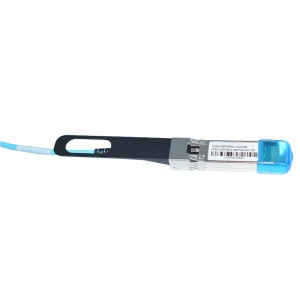
Active Optical Cables (AOC) utilize optical fiber rather than copper conductors, making them fully immune to electromagnetic interference (EMI) inside high-density modern computing frames.
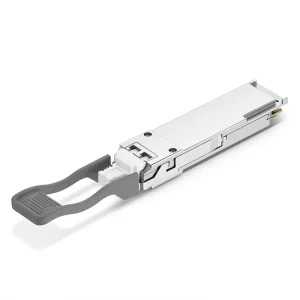
Our transceivers and cables are coded and tested to support seamless interoperability with legacy switches, routers, and host channel adapters (HCAs), avoiding proprietary lock-in.
Years Telecom Experience
Tested Before Shipment
Next-Gen Roadmap ready
European Compliance Certified
Deploying targeted physical interfaces depending on local facility profiles, regional laws, and specific computing topologies.

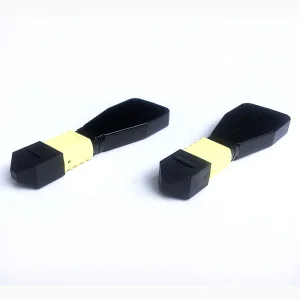
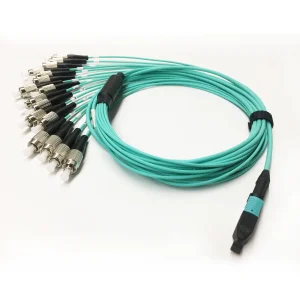
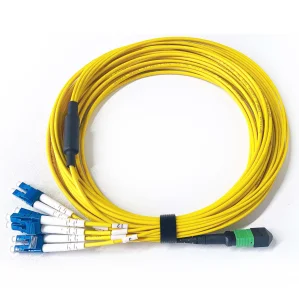
Data centers located throughout Barcelona require high-density fiber routing structures. Our MPO/MTP breakout assemblies, patch cords, and AOC cables facilitate efficient structured cabling. These solutions offer low-profile cable management and minimal airflow disruption, critical to modern green data center operations.
With Barcelona hosting some of Europe’s most advanced supercomputing infrastructures, latency reduction is critical. Our passive copper DACs and breakout configurations (such as QSFP28 to 4x SFP28) provide optimal physical layer performance for low-latency interconnects.
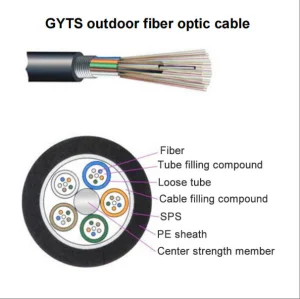
As municipal services expand across the metropolitan zone, robust outdoor distribution is crucial. We manufacture high-performance Single Mode G652D and G657A1 outdoor optical fiber cables engineered to survive environmental stresses, guaranteeing high-uptime backhaul links.
To operate reliably in high-density European environments, network components must meet rigorous testing criteria. Kocent Optec Limited integrates professional-grade testing protocols directly at the factory floor. Our testing environment replicates standard network workloads under real-world conditions.
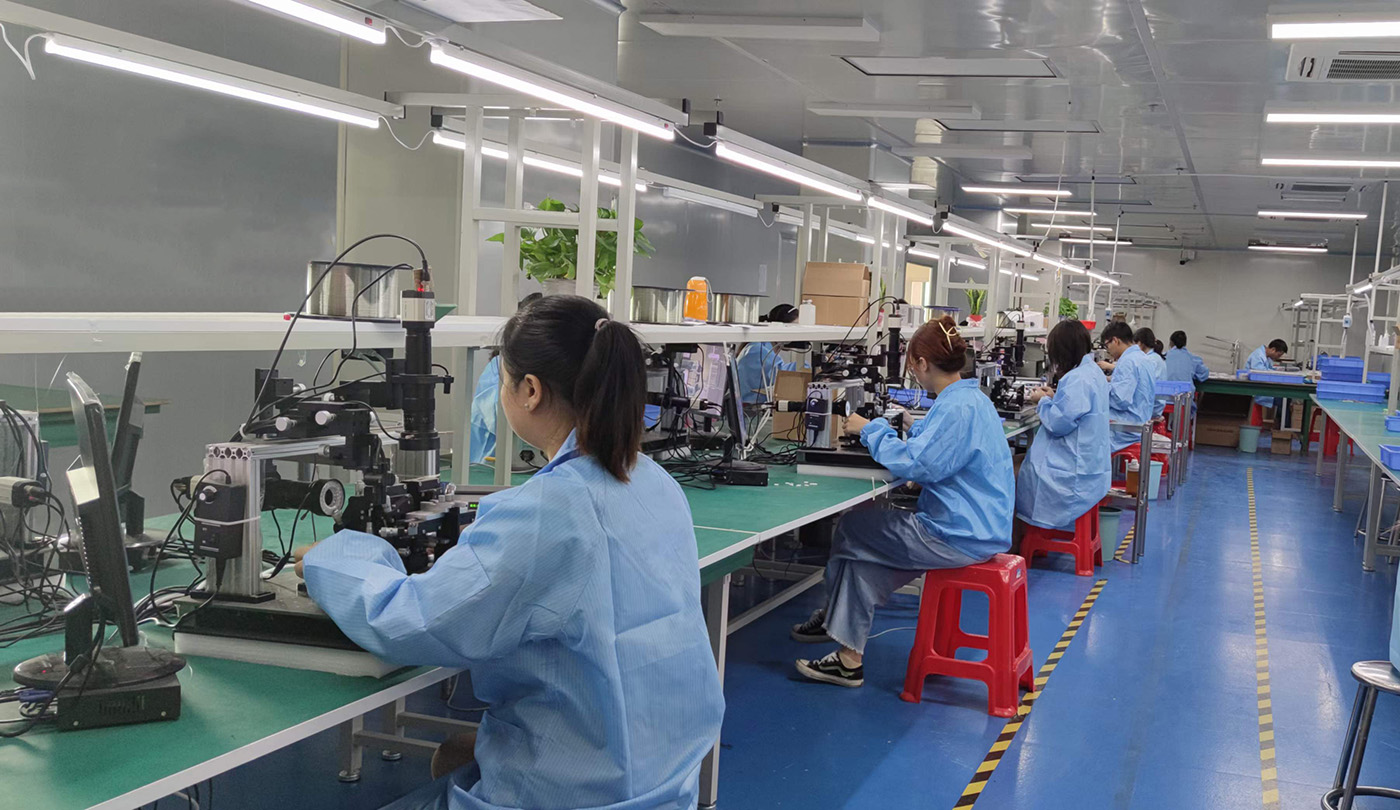
A trusted global supplier of passive and active fiber optic termination systems for key global and regional operations.
Kocent Optec Limited, established in 2012 in Hong Kong as a high-tech communication enterprise, is one of China's leading fiber optic termination product manufacturers and solution providers. We are dedicated to developing and manufacturing fiber optic communication products ranging from passive to active categories for telecommunication networks, enterprise networks, and data centers.
By leveraging our extensive experience and production capacity built over more than 13 years, we help optimize performance for our global customers. We place great emphasis on collaboration and view ourselves as a strategic partner in fiber optic connection solutions.
Our OEM and ODM components are deployed in telecom operator tenders and complex end-user networks worldwide. Our terminal telecom operator integration footprints include:
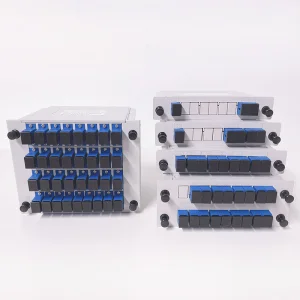
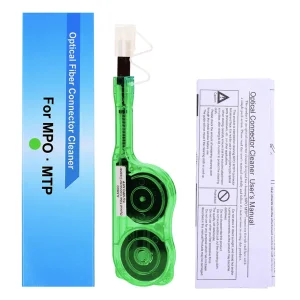
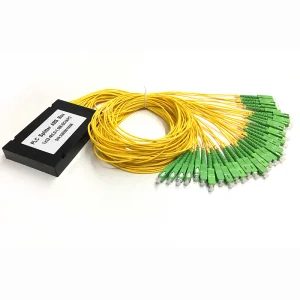
A comprehensive selection of transceivers, patch assemblies, splitters, and network tools for Barcelona deployments.
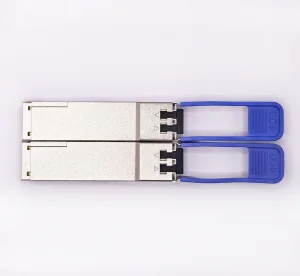
Detailed technical answers for regional integration engineers, infrastructure managers, and network designers.
Analyzing key physical layer developments as transmission rates migrate from 100G/200G up to 400G and 800G architectures.
Traditional networks historically relied on NRZ (Non-Return-to-Zero) modulation. As networks upgrade to 400G and 800G, platforms adopt PAM4 (Pulse Amplitude Modulation 4-Level) formats. This design transition doubles data transmission rates within equivalent fiber channels but demands high-performance electrical components to manage increased noise sensitivity. Our latest active cable designs incorporate advanced digital signal processors (DSP) to maintain signal integrity over these high-frequency paths.
As board layouts become denser, traditional transceivers are shifting toward Silicon Photonics. Co-Packaged Optics (CPO) relocate the optical engine directly onto the switch silicon substrate. This design reduces trace distances between processors and transceiver components, lowering overall power demands and thermal generation—a key consideration for sustainable, green data centers in Europe.
Deploying high-speed network infrastructures requires long-term planning. While 10G and 25G architectures remain common for standard connections, modern hyperscale sites utilize 100G/200G and are planning transitions to 400G/800G.
Partnering directly with a physical layer manufacturer allows you to deploy high-spec systems that meet current bandwidth demands while providing a migration path for next-generation hardware.
 KOCENT OPTEC