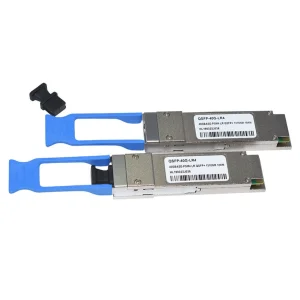
Selected 1.25G and 2.5G SFP transceivers calibrated for high electromagnetic compatibility (EMC) and low thermal signature required in Nagoya's smart production floors.
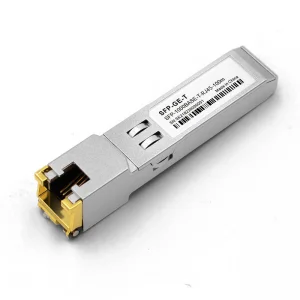
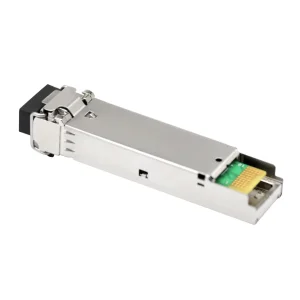
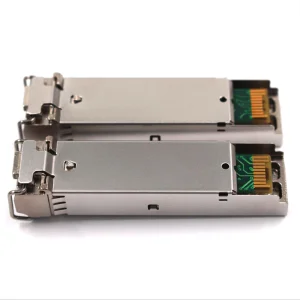
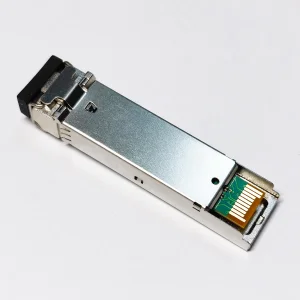
As the industrial heartland of Japan, Nagoya (Aichi Prefecture) is synonymous with global manufacturing dominance, particularly in automotive engineering, aerospace, robotics, and machine tools. The transition to Society 5.0 and the digitization of Toyota-aligned supply chains require a fundamental upgrade of local factory communications. The integration of EtherCAT, CC-Link IE TSN, and industrial Ethernet protocols demands high-stability physical layers.
Within large-scale stamping plants, welding bays, and assembly lines, electromagnetic interference (EMI) makes traditional copper lines susceptible to data packet dropouts. 1.25G and 2.5G SFP optical transceivers provide galvanic isolation and complete immune security against EMI, ensuring seamless real-time control loop feedback from programmable logic controllers (PLCs) to robotic arms.
Additionally, Nagoya’s logistics centers in the Port of Nagoya are rapidly adopting automated guided vehicles (AGVs) and warehouse management systems connected via private 5G and fiber backhauls. 2.5G SFP transceivers act as the crucial bridging components in optical network terminals (ONTs) and industrial switches, ensuring high throughput and microsecond-level latencies across distributed environments.
While 10G, 25G, and 100G optics dominate hyper-scale data centers, 1.25G and 2.5G SFP modules remain the standard for industrial automation, smart grid control systems, and edge infrastructure due to specific design benefits:
Standard SFP transceivers run under 1 Watt. In packed industrial control cabinets with limited airflow, low power dissipation prevents thermal runaway and extends equipment MTBF.
Industrial temperature range (I-Temp) SFP modules are rated to operate continuously between -40°C and +85°C, ensuring reliability in unconditioned sub-stations and shop floors.
Digital Diagnostics Monitoring (DDM) allows real-time measurement of laser bias current, optical output power, receiver input power, temperature, and voltage to forecast link failures.
| Parameter / Feature | 1.25G SFP Transceiver (1000BASE) | 2.5G SFP Transceiver (2.5GBASE) |
|---|---|---|
| Typical Wavelengths | 850nm (MMF), 1310nm (SMF), 1550nm (SMF) | 850nm (MMF), 1310nm (SMF), CWDM/DWDM |
| Transmission Distance | Up to 550m (OM2), 10km to 120km (SMF) | Up to 300m (OM3), 2km to 80km (SMF) |
| Connector Interface | Duplex LC, Simplex LC (BIDI), RJ45 Copper | Duplex LC, Simplex LC (BIDI) |
| Power Consumption | < 0.8W (Optical), < 1.2W (Copper RJ45) | < 1.0W (Optical) |
| Application Protocol | Gigabit Ethernet, 1G Fibre Channel, CPRI Option 2 | 2.5G Ethernet, GPON ONU, CPRI Option 3 |
| Standard Compliance | SFP MSA, IEEE 802.3z, GR-252-CORE | SFP MSA, IEEE 802.3bz, ITU-T G.984.2 |

Established in 2012 in Hong Kong, Kocent Optec Limited has grown to become one of China’s leading fiber optic termination product manufacturers and solution providers. We are dedicated to developing and manufacturing a comprehensive range of passive and active fiber optic communication products. Our technologies support complex infrastructures, including industrial telecommunication networks, corporate LAN/WAN, and hyper-scale data centers.
By leveraging our extensive engineering experience and massive production capabilities gained over the last decade, we magnify operational outcomes for our customers. We focus on customer collaboration, defining ourselves as a strategic partner in fiber optic connection solutions rather than just a hardware manufacturer.
Ensure optical path consistency from edge device to central switchboard. These infrastructure components are fully tested with Nagoya system integration partners.
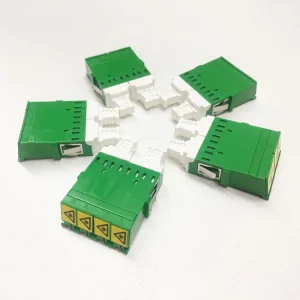
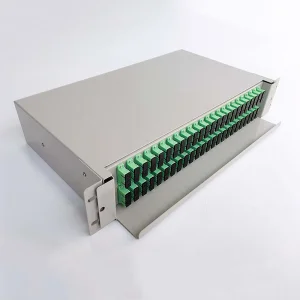
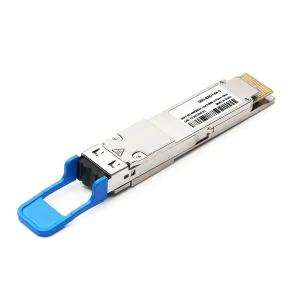
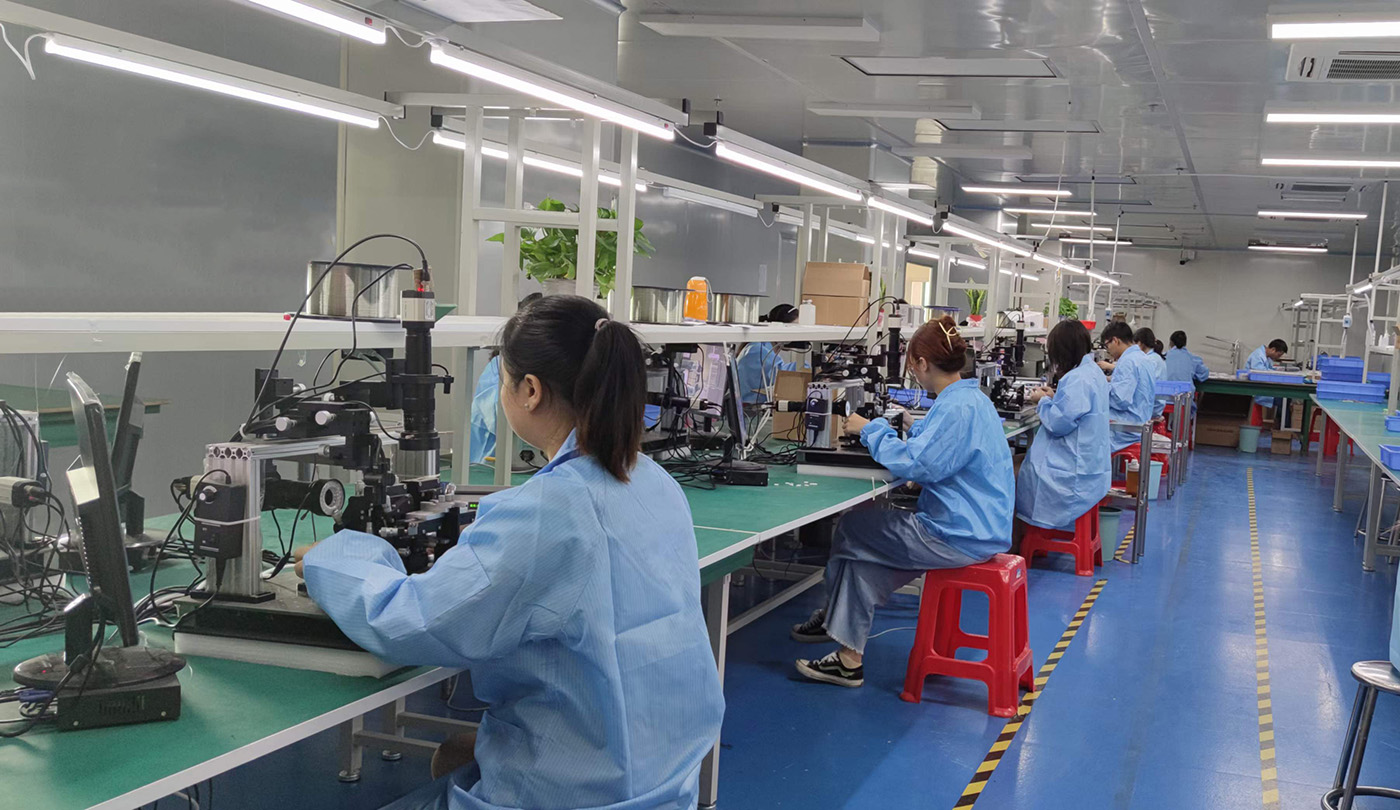
With more than 13 years of experience in manufacturing telecommunication fiber optic products, we strictly adhere to international quality systems. All active SFP transceivers and passive MPO/MTP networks are processed in advanced dust-free rooms, undergoing 100% optical parameters testing (insertion loss, return loss, eye-diagram parameters, and bit-error rate validation).
Our lab hosts mainstream telecommunication switches from CISCO, Juniper, Allied Telesis, NEC, Fujitsu, H3C, and Huawei. Every batch of 1.25G & 2.5G SFP transceivers is flashed with specific EEPROM compatibility code matching our Japanese clients' destination hardware to bypass any vendor lock-in errors.
By leveraging our locations in Shenzhen and Hong Kong, we offer efficient air freight lanes straight to Chubu Centrair International Airport (NGO) and ocean transport lanes to the Port of Nagoya. Custom clearance support, integrated certificate of origin documentation, and flexible incoterms (FOB, CIF, DDP) are standardized for our Japanese partners.
Years of sales and service experience have enabled us to win customers across East Asia, Southeast Asia, Europe, and the Americas. Our ODM/OEM products are qualified under strict telecom operator criteria.
We work closely with localized integrators to guarantee full alignment with Japanese environmental laws. Our components are fully certified for RoHS, CE, FCC, and comply with Japanese VCCI requirements to prevent high electromagnetic interference inside industrial automation environments. Many of our OEM and ODM products have won Telecom Operator tenders and satisfy rigorous end-user requests.
SingTel, Vodafone, America Movil, Telefonica, Bharti Airtel, Orange, Telenor, VimpelCom, TeliaSonera, Saudi Telecom, MTN, Viettel, Bitel, VNPT, Laos Telecom, MYTEL, Telkom, Telekom, Entel, FiberTel, StarFiber, Ooredoo, Beeline, Azercell.
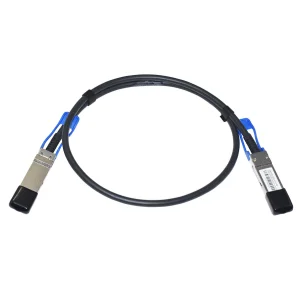
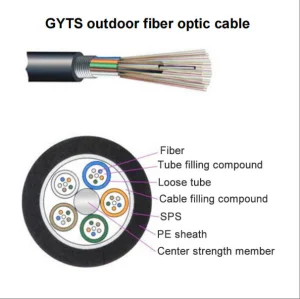
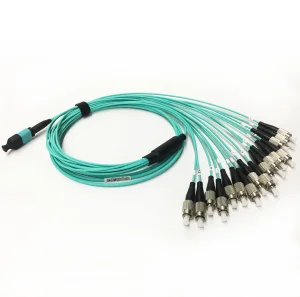
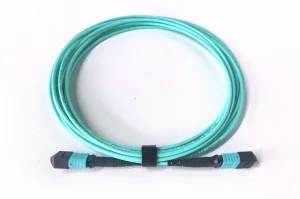
Complete link components required for high-density switches, outdoor routing, and central rack cross-connects within the Nagoya metropolitan region.
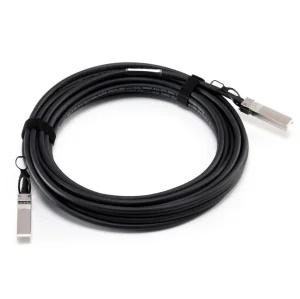
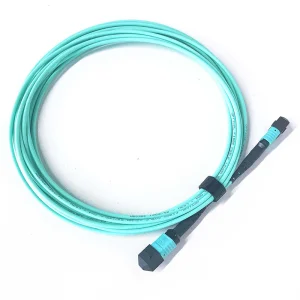
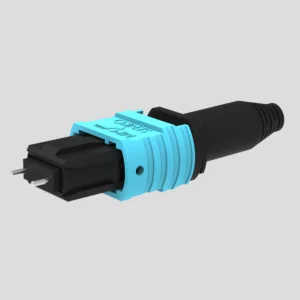
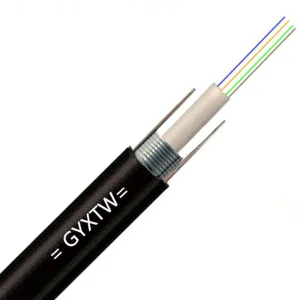
Find answers to technical deployment questions commonly asked by industrial networking engineers in Aichi Prefecture.
Yes, our transceivers are configured with EEPROM parameters that guarantee compatibility with local hardware such as NEC, Allied Telesis, Fujitsu, Panasonic, Cisco, and Yamaha switches. Please specify your target switch model when requesting quotes so we can program the firmware accordingly.
2.5G SFP transceivers run over standard Cat5e/Cat6 copper or multi-mode fiber infrastructure, but provide 2.5 times the bandwidth capacity of standard Gigabit Ethernet. This prevents congestion at network aggregation points, supporting high-resolution vision systems, multi-camera AGV tracking, and fast industrial IoT data collection.
Typical production lead time is 5–7 working days for standard volume orders. Logistics options include fast air express (3–4 days via DHL/FedEx to Nagoya/Aichi areas) or sea freight directly to Nagoya Port for high-volume passive cabling assets, saving on unit distribution costs.
Yes. Standard commercial grade SFP modules operate at 0°C to 70°C, but we manufacture industrial-grade transceivers rated from -40°C to 85°C. These are built with reinforced laser diodes and thermal compounds to handle extreme plant conditions in heavy metal processing and manufacturing bays.
Every single SFP transceiver is tested under live network conditions on the respective brand's switch (e.g., Cisco Catalyst, Juniper EX, Allied Telesis CentreCOM) in our testing lab. We verify TX/RX optical power, DOM sensor telemetry parameters, and bit error rate performance to ensure zero-defect integration.
Our optical transceivers and passive fiber optics are 100% compliant with RoHS and CE standards, preventing the use of restricted hazardous substances. We maintain strict manufacturing controls so that electromagnetic radiation levels satisfy Japan's VCCI requirements, ensuring they will not interfere with sensitive CNC machinery or robotics control loops.
Contact our optical communication engineering team today for technical support, hardware compatibility questions, or customized ODM pricing quotes for the Nagoya market.
 KOCENT OPTEC