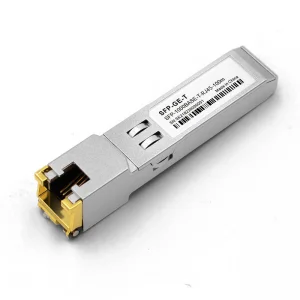
For Copper/Ethernet Switch Uplinks in Dhaka Metro Networks.
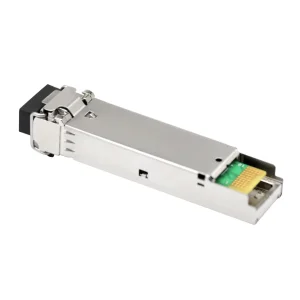
Short-reach Multi-mode modules optimized for local enterprise data storage.
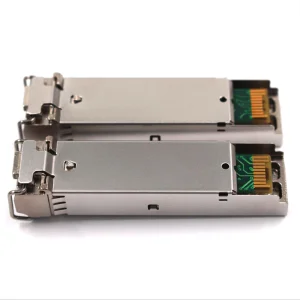
Standard SMF module for long-haul ISP backbone links across divisions.
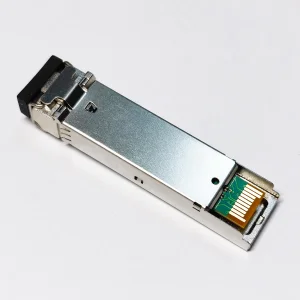
40km mid-range optical engine for Inter-District ISP routing nodes.
Bangladesh is undergoing a massive, nation-wide network infrastructure overhaul. Driven by the government’s "Smart Bangladesh 2041" framework and the aggressive roll-out of high-speed broadband in rural areas (including the landmark Info-Sarker phase initiatives), the demand for active optical components has spiked. Transceivers operating at 1.25G and 2.5G speeds serve as the absolute baseline workhorses for Local Area Networks (LANs), Metropolitan Area Networks (MANs), and fiber-to-the-home (FTTH) networks deployed by local ISPs.
With thousands of active Internet Service Providers (ISPs) licensed under the Internet Service Providers Association of Bangladesh (ISPAB), and Nationwide Telecommunication Transmission Network (NTTN) providers like Summit Communications and Fiber@Home constantly expanding their dark fiber grids, sourcing cost-efficient, high-reliability SFP modules is critical. High-performance modules guarantee lower insertion loss and minimize link failures in the high-humidity, high-temperature environment of Bangladesh.
Additionally, the transition of local industrial zones—such as the Bangabandhu Hi-Tech City in Kaliakair and various EPZs (Export Processing Zones)—towards automated manufacturing systems calls for ruggedized, industrially-rated 1.25G SFP transceivers capable of withstanding electrical noise and severe thermal fluctuations.

Understanding the exact physical layer parameters and protocol compatibility is crucial to eliminating packet drops and optical performance mismatch in active telecommunications links. The matrix below delineates Kocent Optec’s core SFP specifications deployed extensively within the Bangladesh market:
| Transceiver Class | Wavelength (nm) | Fiber Type | Max Link Length | Connector Type | Core Application |
|---|---|---|---|---|---|
| 1.25G SFP Copper T | Copper (RJ45) | Cat5e / Cat6 | 100m | RJ-45 | Switch-to-Switch Metro Copper Uplinks |
| 1.25G SFP Multimode | 850nm / 1310nm | OM2 / OM3 / OM4 MMF | 550m - 2km | Duplex LC | Intra-datacenter and server cluster links |
| 1.25G SFP Singlemode | 1310nm / 1550nm | G.652 SMF | 10km - 80km | Duplex LC | ISP Distribution backbone / Inter-exchange routing |
| 2.5G GPON OLT Class C+ | Tx1490 / Rx1310 | G.652 / G.657 SMF | 20km | SC/UPC or SC/APC | FTTH Access Networks (OLT Ports) |
| 1.25G BiDi (WDM) SFP | Tx1310 / Rx1550 (or vice versa) | Single-strand SMF | 10km - 40km | Simplex LC | Fiber-restricted rural link expansions |
Every module is designed strictly according to the Small Form-factor Pluggable Multi-Source Agreement (MSA), guaranteeing physical and electrical interoperability with all standardized host chassis.
Real-time monitoring of transceiver parameters, including optical output power, receiver sensitivity, operating voltage, laser bias current, and module internal temperature.
Our engineering laboratory runs compatibility verification sweeps for switches, routers, and firewalls from Cisco, Juniper, Huawei, Mikrotik, TP-Link, Ruijie, and Ubiquiti.

Kocent Optec Limited, established in 2012 in Hong Kong as a high-tech communications enterprise, stands today as one of China's premier fiber optic termination product manufacturers and end-to-end optical solution providers. Over the past decade, we have dedicated ourselves to developing and manufacturing fiber optic products ranging from passive splitters to active transceivers designed specifically for telecommunication networks, enterprise infrastructures, and hyper-scale data centers.
By leveraging our extensive engineering experience and massive production capabilities, we ensure our clients outperform local competitors by reducing packet drop-rates and stabilizing fiber backhaul lines. We view ourselves not just as a components vendor, but as a strategic partner in engineering modern optical networks.
With more than 13 years of field-tested manufacturing experience, we follow strict ISO9001 and Bellcore quality assurance systems, applying mature scientific methods to inspect and test 100% of our products before dispatch.
Modern telecommunications demand seamless integration between passive fiber distribution hubs and active switching components. Kocent Optec bridges this gap. Our products have won numerous telecom tenders globally, satisfying rigorous technical parameters set by leading national operators.
Our deployment expertise covers active optical transmission networks, passive optical distribution frames, FTTH drop assemblies, and high-density MPO/MTP cabling systems. In the Bangladesh market, this structural integration allows regional ISPs and cable television (CATV) providers to source unified active-passive configurations—such as pairing our 1.25G long-haul SFP transceivers with our low-insertion-loss ABS box PLC splitters—significantly improving link budgets and transmission range.
Through strategic partnerships and direct-to-enterprise logistics, Kocent Optec ensures continuous supply chain resilience and reliable lead times, even for large-scale municipal optical grid rollouts.
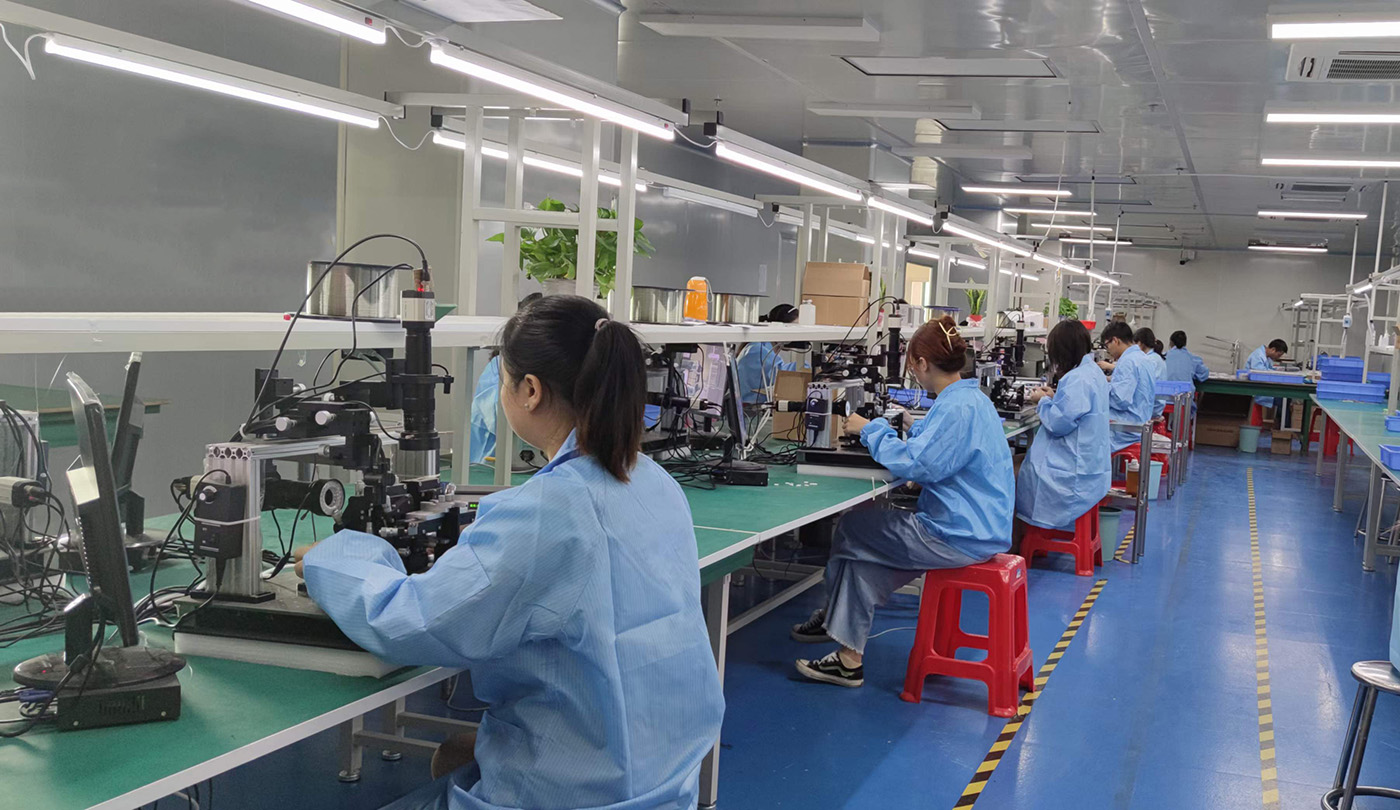
When purchasing 1.25G and 2.5G SFP transceivers for delivery to Bangladesh, cost analysis must extend beyond the unit price. Importers must navigate customs clearance (under HS Code 8517.62.30 or similar), import duties, and obtain No Objection Certificates (NOC) from the Bangladesh Telecommunication Regulatory Commission (BTRC) where applicable.
By sourcing directly from our factory in China, we bypass multi-tiered regional distributors, delivering direct savings of up to 35% on wholesale transceivers compared to purchasing through local agents in Dhaka or Chittagong.
We configure and code the EEPROM signature at no extra charge to ensure 100% plug-and-play compatibility on arrival, eliminating expensive diagnostic troubleshooting and configuration failures during deployment.
We provide full documentation, including detailed Commercial Invoices, accurate HS Code classification, Packing Lists, Certificates of Origin (CO), and RoHS/CE compliance certificates to streamline BTRC clearance.
Are you deploying a new metropolitan ring or expanding your FTTH OLT ports? Contact our optical engineers to receive a comprehensive, itemized project quotation, compatible firmware configuration matrix, and direct-to-factory wholesale pricing.
Explore our comprehensive portfolio of passive splitters, trunk cables, attenuators, and high-density panels deployed alongside our active transceiver line.
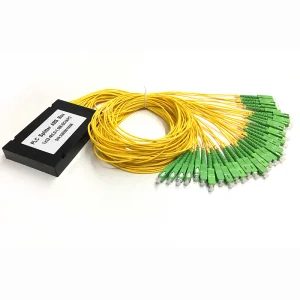
Primary optical splitter for local FTTH distribution hubs.
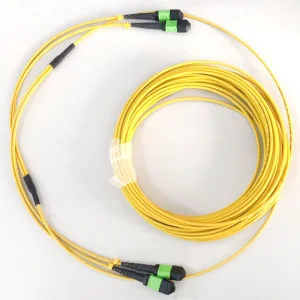
High-density interconnect patch cables for local carrier exchanges.
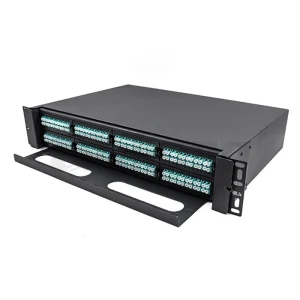
High-density fiber optic management solution for ISP headends.
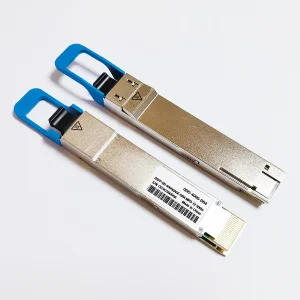
Next-generation core network transceiver for cloud datacenters.
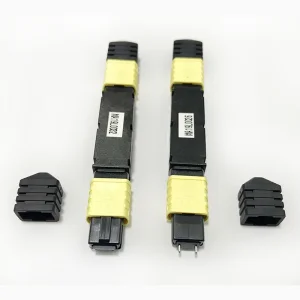
Precision signal attenuation to prevent optical receiver saturation.
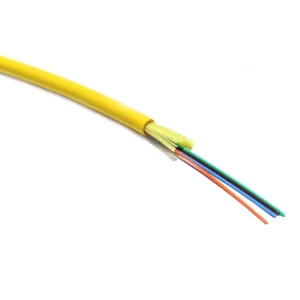
Flame-retardant indoor distribution cable for building networks.
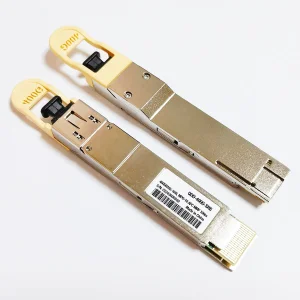
High-density 400G short-range multimode modules.
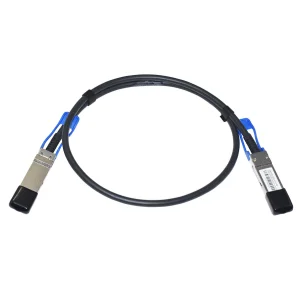
Short-reach high-speed copper interconnect cables for server racks.
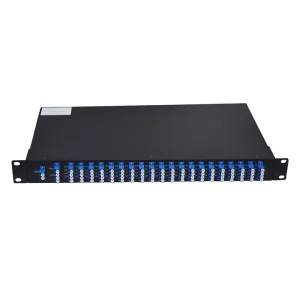
Core optical transport modules for long-haul networks.
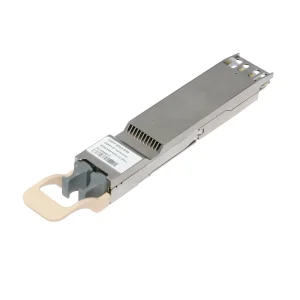
High-density 800G transceivers for artificial intelligence server fabrics.
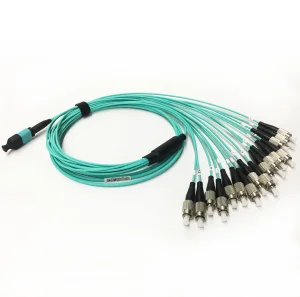
Multi-core fanout patch assemblies for direct equipment interconnects.
High-reliability optical components built for metro ethernet loops.
 KOCENT OPTEC