In modern hyperscale data centers and high-performance computing (HPC) architectures, the demands on Top-of-Rack (ToR) server connections are shifting rapidly from traditional 10G legacy lanes to optimized 25G SFP28 Direct Attach Copper (DAC) cables. A 25G DAC provides a cost-effective, low-power, and ultra-low latency alternative to optical transceivers for short-reach applications (typically up to 5 meters).
Compared to active optical cables (AOC) and optical transceivers with fiber patch cables, passive DAC assemblies offer significant structural advantages:

As global enterprises look for cost resilience and strict quality control in telecommunications hardware, Chinese manufacturers like KOCENT OPTEC LIMITED have integrated advanced manufacturing workflows to deliver high-quality 25G DAC cables and related optical products globally.
By leveraging automated cable assembly processes and precision stripping machines, Chinese factories minimize human-error risk and optimize impedance consistency for high-frequency signal transmission.
100% of our high-speed cables undergo strict eye-diagram, insertion loss, and cross-talk tests on world-class network analyzers to guarantee full IEEE 802.3by compliance.
With immediate access to raw component ecosystems in China's tech hubs, we offer highly competitive pricing structures for wholesale demands without compromising material integrity.
Whether managing enterprise virtualization networks or telecom operator infrastructure, deployment strategies dictate performance. Here is how 25G technology interfaces with broader IT setups:
Modern servers utilize 25G Network Interface Cards (NICs) connected via SFP28 DAC cables to a 100G/400G spine-leaf switch layout, utilizing breakout methods (e.g., 100G QSFP28 to 4x 25G SFP28 DAC) to maximize density and budget efficiency.
With high-speed mobile data requirements, telecom base stations deploy 25G physical links to connect Remote Radio Units (RRU) to Building Baseband Units (BBU), ensuring ultra-reliable low latency communication.
Medium-to-large scale businesses are upgrading legacy 10G cores to 25G infrastructures to prevent bottlenecks caused by high-bandwidth applications like video conferencing, virtualization, and IoT pipelines.
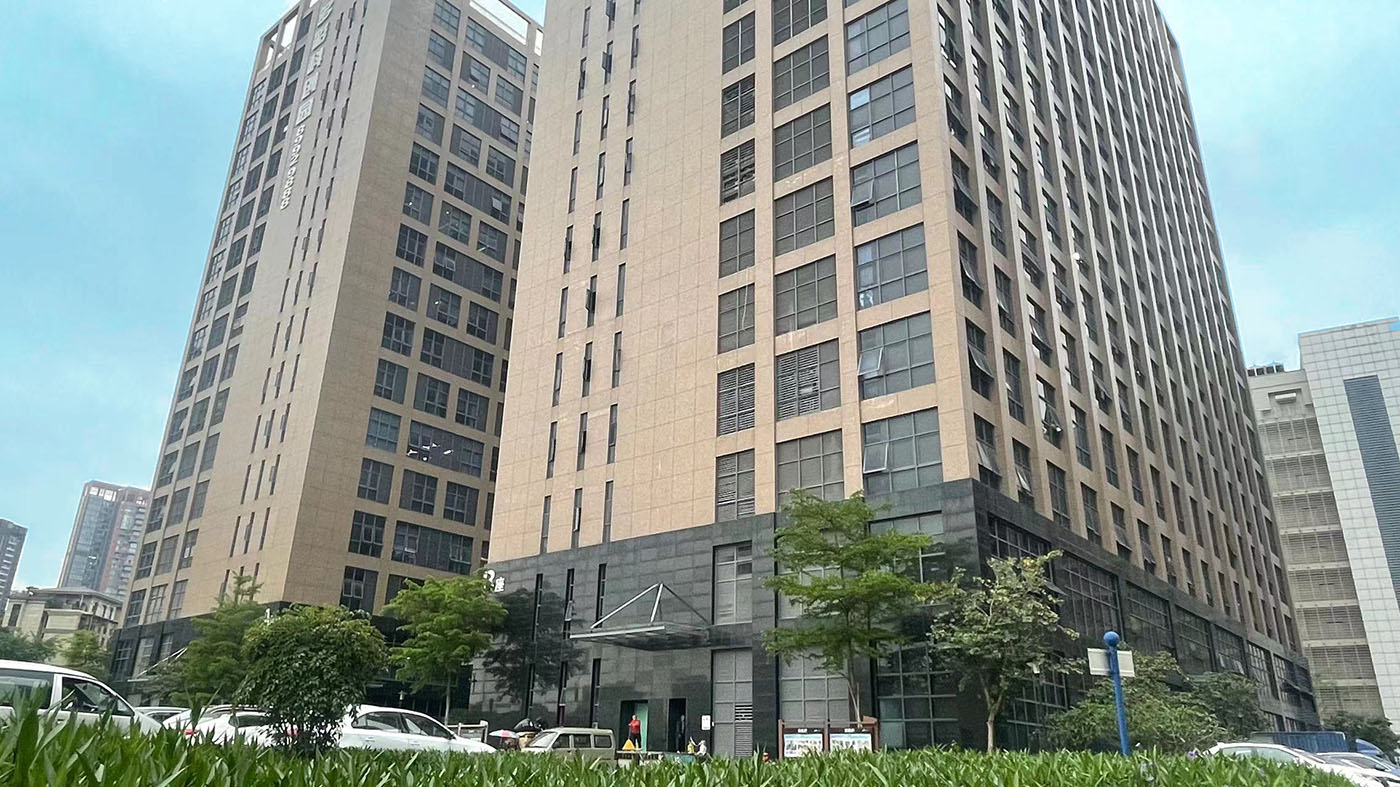
Established in 2012 in Hong Kong as a hi-tech communication enterprise, KOCENT OPTEC LIMITED is one of China's leading fiber optic termination product manufacturers and solution providers. We are dedicated to developing and manufacturing fiber optic communication products ranging from passive to active categories for telecommunication networks, enterprise networks, and data centers.
By leveraging our extensive experience and excellent production capacity we gained over the years, we magnify the outcome for our valuable customers, which ultimately expands their core competencies and helps them outperform competitors. We place emphasis on customer collaboration, and we define ourselves as your valuable partner in fiber optic connection solutions.
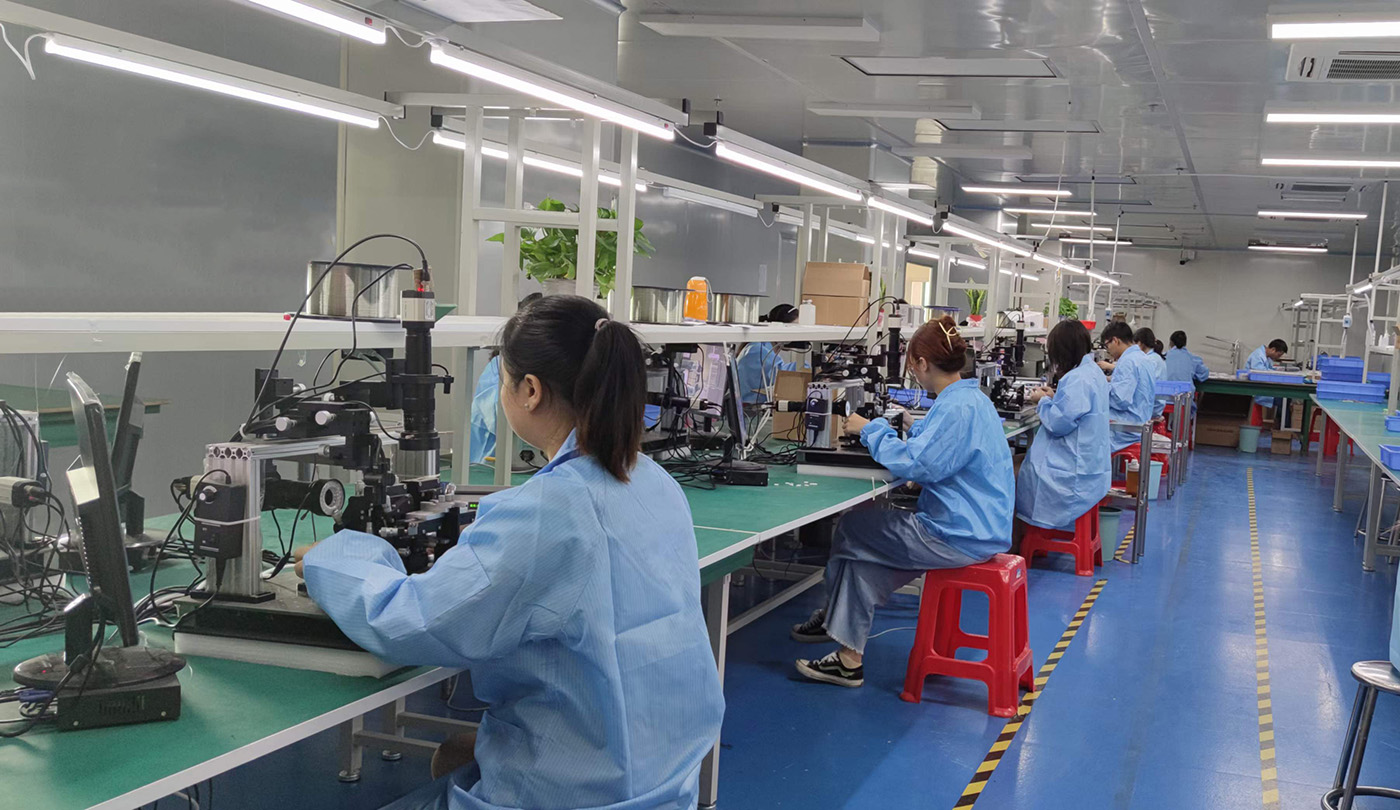
With more than 13 years of experience in manufacturing telecommunication fiber optic products, we follow strictly fiber optic industry standards by using mature scientific methods to deliver your products on time and ensure that 100% of products are tested and inspected before shipment. Our main terminal telecom operators include: SingTel, Vodafone, America Movil, Telefonica, Bharti Airtel, Orange, Telenor, VimpelCom, TeliaSonera, Saudi Telecom, MTN, Viettel, Bitel, VNPT, Laos Telecom, MYTEL, Telkom, Telekom, Entel, FiberTel, StarFiber, Ooredoo, Beeline, Azercell, and more.
 KOCENT OPTEC