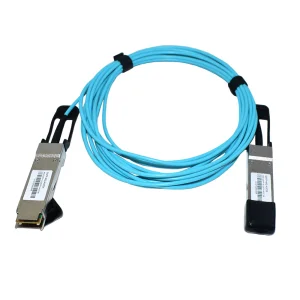
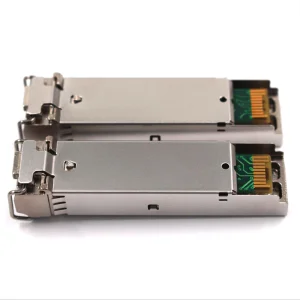
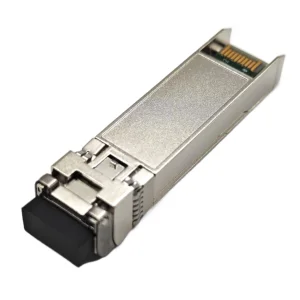
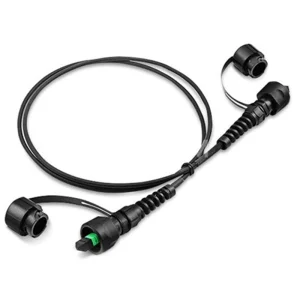
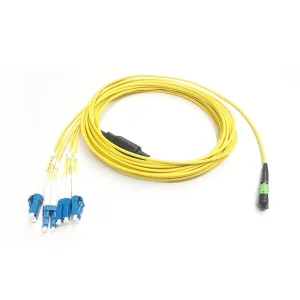
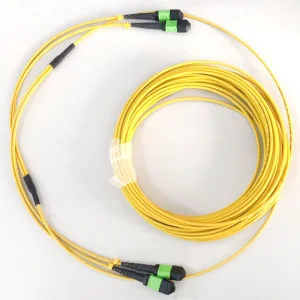
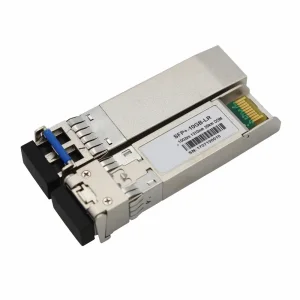
Explore our selection of top-tier active and passive transmission modules, adapters, assemblies, and custom panel configurations.
As networks scale to keep up with the demands of hyperscale cloud databases, edge computing, and artificial intelligence model deployments, the limitations of traditional cabling become clear. While 10G networks served industry demands for a decade, the modern standard is transitioning to 25G Ethernet. This transition is crucial for optimizing rack architectures. 25G SFP28 Direct Attach Copper (DAC) cables are the optimal choice for high-density, high-bandwidth applications, offering low latency, minimal power consumption, and cost-effectiveness.
Using 25G SFP28 twinaxial copper cables provides a direct upgrade path from 10G SFP+. Using the same physical form factor, network engineers can achieve a 2.5x increase in throughput without having to redesign rack structures. For high-density systems, this choice is not just about raw bandwidth, but also about power and cost management. In modern data centers, passive DAC cables require virtually zero operational power, reducing thermal footprints and driving down Total Cost of Ownership (TCO).

Why Tier-1 telecom operators and high-frequency trading networks specify Kocent Optec's 25G DAC cable configurations.
Unlike optical transceivers that convert electrical signals to optical and back again, passive DAC copper cables transmit raw electrical pulses across the twinaxial core, resulting in near-zero conversion delay.
Operating passive copper links draws no electrical current, generating zero heat. This significantly reduces overall rack cooling requirements and lowers energy metrics.
Our automated production facilities run physical testing protocols on each assembly, evaluating Bit Error Rates (BERT), insertion loss parameters, and impedance match profiles.
A 25G DAC cable relies on its twinaxial structure to ensure clean high-frequency signal propagation. These assemblies consist of two copper conductors, each insulated with a premium dielectric material. They are wrapped in a dual-shield foil configuration and covered with a copper braid, which shields the channel against Electromagnetic Interference (EMI) and Radio Frequency Interference (RFI).
Wire gauge size, or AWG (American Wire Gauge), is key to achieving optimal performance. To optimize reach and minimize attenuation, Kocent Optec manufactures 25G DAC cables in a range of wire gauges, from 30AWG to 26AWG:
"Optimizing physical wire gauge based on rack configurations is key to managing space and costs in modern dense topologies. Over-specifying thickness reduces airflow, while under-specifying copper gauge over longer lengths degrades data transmission quality."
For most intra-rack installations (typically under 5 meters), passive DACs are the ideal choice due to their simplicity and cost-efficiency. However, for longer distances within the data center, Active Direct Attach Copper (ACC) cables can be used. These incorporate active equalization circuits within the transceiver housing, boosting the electrical signal to compensate for copper attenuation, which extends high-speed performance up to 7-10 meters.
Bandwidth Multiplier over 10G
Fully Tested & Inspected
Passive Cable Power Draw
Industrial OEM Expertise
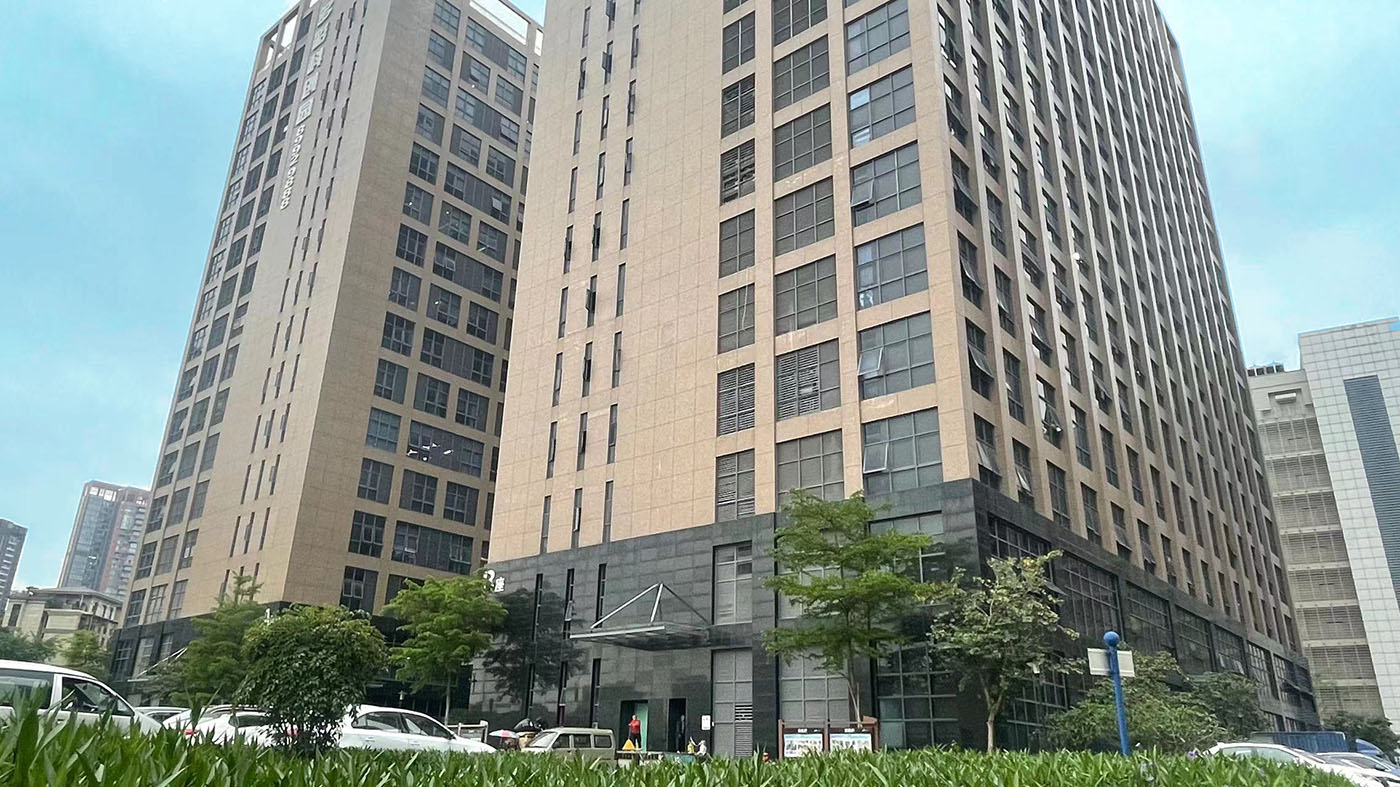
Established in 2012 in Hong Kong as a hi-tech communication enterprise, Kocent Optec Limited has grown to become one of China's leading fiber optic and copper interconnect product manufacturers and solution providers.
We are dedicated to developing and manufacturing high-performance communication products, ranging from passive components to active modules, for telecommunication networks, enterprise networks, and cloud data centers. By leveraging our extensive industry experience and robust production capacity, we help our global partners expand their capabilities and achieve a competitive edge in network performance.
We focus closely on collaboration, defining ourselves as a reliable partner in connectivity solutions. We believe our technical standards, rigorous quality control, and focus on customer service are our key differentiators.
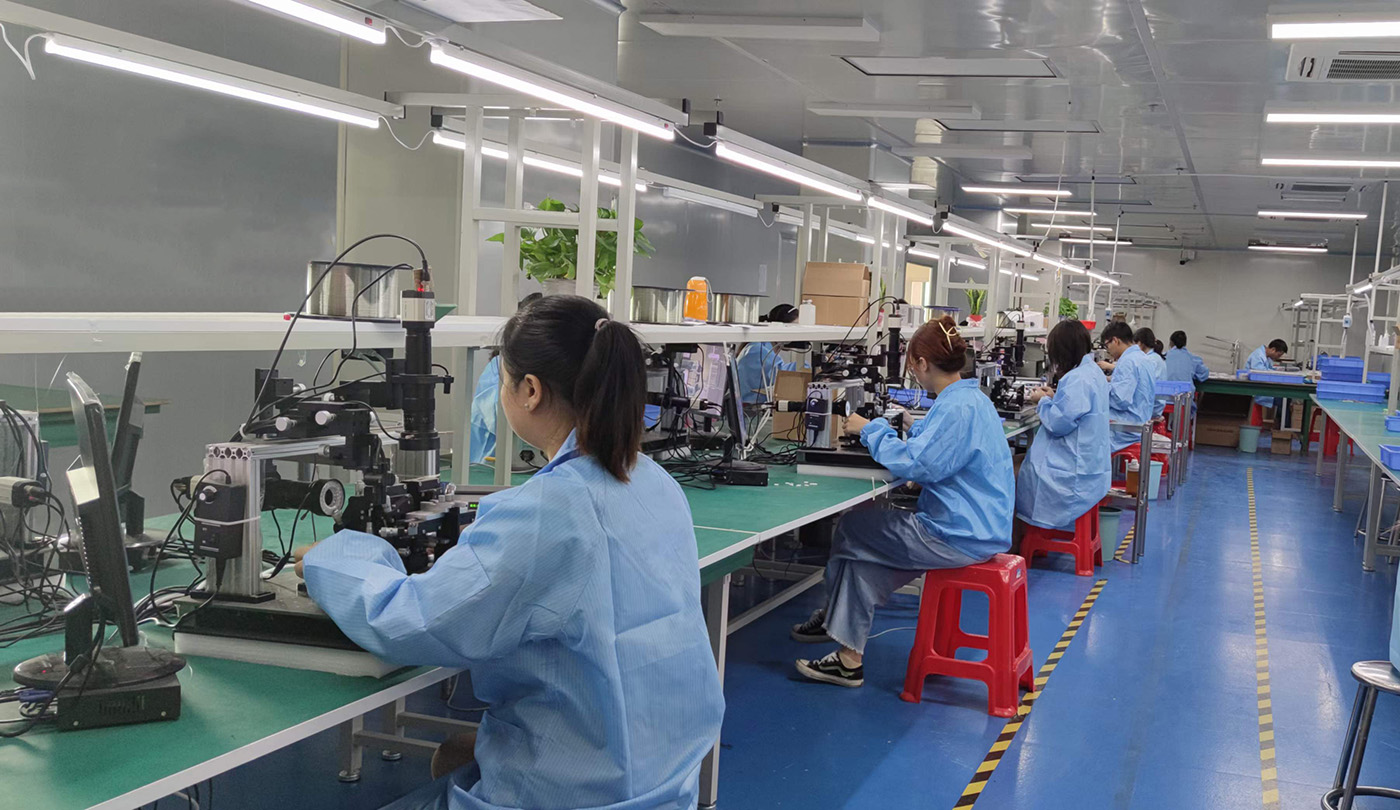
Manufacturing 25G SFP28 DAC assemblies requires high precision. Signal reflections and structural anomalies in the twinaxial core can compromise transmission performance. At Kocent Optec, we use state-of-the-art automatic braiding systems and high-density copper welding technologies to guarantee uniform impedance across every millimeter of cable assembly.
Our quality assurance process is built on strict standards. Every 25G DAC cable is individually tested on advanced network analyzers. These checks evaluate crucial parameters like insertion loss, return loss, and near-end crosstalk (NEXT). Our testing is designed to meet or exceed industry standards, ensuring reliable operation under high workloads.
A common issue with DAC installations is host equipment lock-outs. Many network switch suppliers include software locks that reject third-party transceivers. To prevent this, Kocent Optec programs every SFP28 EEPROM individually. We test compatibility across a wide range of platforms, including Cisco, Arista, Juniper, Dell, Extreme, HPE, and Intel, ensuring plug-and-play operation and trouble-free integration.
EEPROM Programming Capacity: Our custom scripting allows us to write vendor-specific compatibility code directly onto the transceiver microchips. This allows our wholesale clients to bypass proprietary vendor markups, achieving high compatibility at a fraction of the cost.
With more than 13 years of experience in manufacturing telecommunication and fiber optic products, we strictly follow industry standards. We use mature manufacturing processes to deliver your projects on time, ensuring 100% of our products are tested and inspected before shipment.
Our long-term sales and service experience has helped us build relationships with customers in many regions, including East Asia, Southeast Asia, the Middle East, Eastern Europe, Western Europe, Northern Europe, South America, North America, North Africa, and South Africa.
Win-win cooperation is our constant goal. Many of our OEM and ODM products have won telecom operator tenders, satisfying the requirements of diverse end-users.
Our custom assemblies and active components are trusted by some of the world's largest telecommunications operators.
Our major telecommunications partners and end-users include:
The transition from 10G to 25G is a key step towards next-generation network speeds like 100G (using 4x25G lanes) and 400G (using 8x50G PAM4 lanes). The 25G standard is built on a single-lane physical layer, allowing it to fit into standard SFP28 housings. This simplifies switch design compared to legacy multi-lane setups.
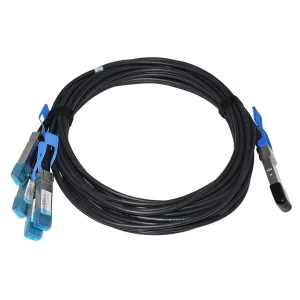
By using single-lane 25G channels, data centers can deploy breakout configurations, such as splitting a 100G QSFP28 uplink into four individual 25G SFP28 downlinks. This approach helps maximize port density and increases overall system throughput. Our compatible breakout cables are designed to handle these transitions efficiently, protecting your hardware investments over time.
Green initiatives and energy efficiency standards are increasingly important in modern data center design. High-speed copper cables play a role here by consuming less power than optical links. By avoiding the conversion of electrical signals to light, passive DAC cables run cool and draw no power directly. This helps companies meet energy efficiency targets, like reducing PUE (Power Usage Effectiveness) in large-scale server halls.
Additionally, our manufacturing facilities adhere to strict environmental standards. All raw copper, insulation layers, and terminal connectors comply with the RoHS directive. This ensures our products are free from hazardous substances, making them suitable for deployment in projects with demanding environmental requirements.
Frequently asked technical questions regarding performance, compatibility, and procurement of SFP28 direct attach copper assemblies.
For passive 25G SFP28 DAC cables, the standard maximum reach defined by the IEEE 802.3by specification is 5 meters. Beyond 5 meters, copper attenuation can cause signal degradation and increase Bit Error Rates. For links longer than 5 meters, we recommend using Active Optical Cables (AOC) or optical transceivers.
Yes, physically SFP28 connector ports share the same physical dimensions as legacy SFP+ ports. SFP28 DAC cables can be configured to run at 10Gb/s speeds. However, the host switch ports must be configured via software to support the lower rate (10G) to ensure successful link auto-negotiation.
The AWG rating dictates the thickness of the copper conductors. Thinner cables (like 30AWG) are more flexible, which improves airflow in tight spaces, but they are limited to shorter lengths (up to 1.5m). Thicker cables (such as 26AWG) have lower electrical attenuation and can support transmission up to 5 meters, though they are less flexible.
Yes. As a direct manufacturer, we offer custom length variations in increments of 0.5 meters, allowing you to tailor cables to your rack layouts. This helps reduce excess cabling and prevents clutter, which improves airflow and cooling in high-density installations.
We use specialized programming tools to flash the EEPROM of each transceiver shell with compatibility codes. This allows our products to work seamlessly with equipment from major brands like Cisco, Arista, Juniper, Dell, and HP, helping you integrate them into multi-vendor network environments.
Complete your deployment using our certified network access products, optical transceivers, and termination solutions.
 KOCENT OPTEC