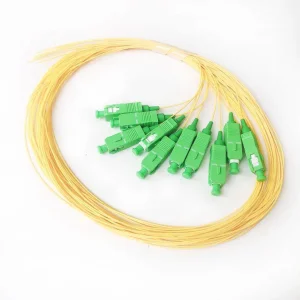
Explore our premium grade passive fiber management systems, robust terminal assemblies, and high-performance network adapters built for enterprise and carrier scale deployments.
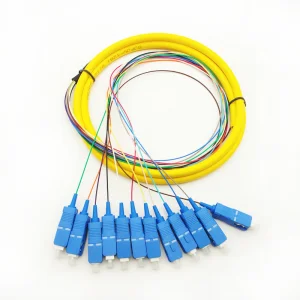
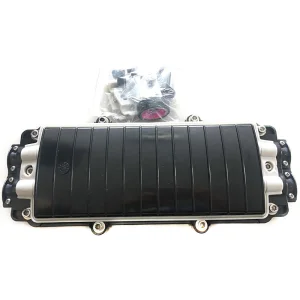
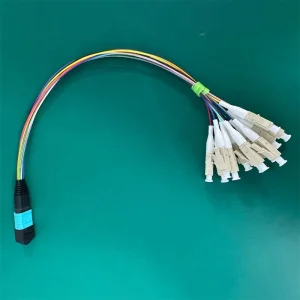
A deep technical assessment of high-density SFP+ form factors, laser budgets, and metropolitan long-haul performance.
The 10G ER (Extended Range) optical specification represents a corner-stone standard for carrier-class metropolitan area networks (MAN) and expansive enterprise datacenters. Operating over Single-Mode Fiber (SMF) at a nominal wavelength of 1550nm, 10G ER systems support error-free transmission link budgets up to 40 kilometers (24.8 miles) without active optical amplification.
Unlike the standard 10G LR (Long Range) which utilizes a 1310nm DFB laser restricted to 10km, 10G ER uses highly refined cooled EML (Electro-absorption Modulated Lasers) or narrow line-width DML (Distributed Feedback Lasers) coupled with high sensitivity APD (Avalanche Photodiode) receivers. This optoelectronic pairing yields a robust power budget (typically > 15 dB), protecting signal integrity against chromatic dispersion over extended routes.

Why sourcing 10G optical elements and termination systems from China-based clusters maximizes ROI, supply chain agility, and quality consistency.
Sourcing from Shenzhen and Pearl River Delta telecom hubs offers unparalleled access to direct raw materials, laser sub-assemblies (TOSA/ROSA), injection molding, high-precision ceramic ferrules, and automated patch cord production lines. This drastically lowers lead times and engineering cycles.
Top-tier Chinese factories utilize automated testing equipment (ATE), high-precision optical spectrum analyzers (OSAs), and digital communication analyzers (DCAs) to verify Eye Diagrams, Bit Error Rates (BER), and insertion loss. Standard compliance includes Telcordia GR-326-CORE, RoHS, CE, and FCC.
Chinese factories are uniquely equipped to support multi-vendor EEPROM coding, enabling transceivers to run natively in Cisco, Juniper, Arista, Huawei, and HP environments. Custom cable packaging, specialized ruggedized breakout enclosures (IP67), and specialized lengths are produced at low scale MOQ.
Translating optical fiber capacity and 10G ER technology into actionable enterprise architecture across distinct industry vectors.
In municipal smart city networks, 10G ER serves as the primary transmission vehicle connecting outlying sensor clusters, camera grids, and regional switching offices to central metropolitan routing centers. Mobile carriers utilize 10G ER interfaces for CPRI/eCPRI interfaces in 5G remote radio heads (RRH) when distances between the Baseband Unit (BBU) hotel and tower site exceed standard ranges.
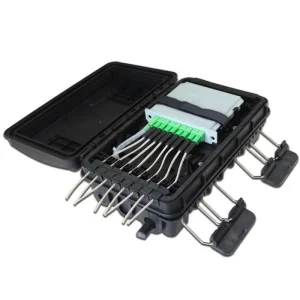
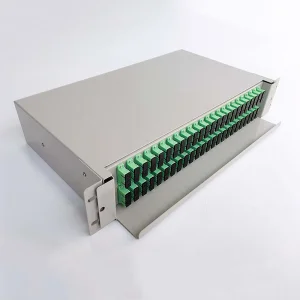
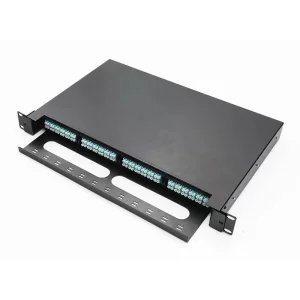
By deploying robust high-density fiber patch panels, outdoor splice closures, and long-range optics, providers guarantee continuous uptime even in extreme environments.
Modern multi-campus enterprises, hospitals, and university networks require zero-latency link configurations. 10G ER allows direct fiber link mapping over dark fiber without intermediate regeneration nodes. This simplified layer-1 topology decreases points of failure, reduces capital expenditure on optical transponders, and enhances security by avoiding shared public infrastructure.
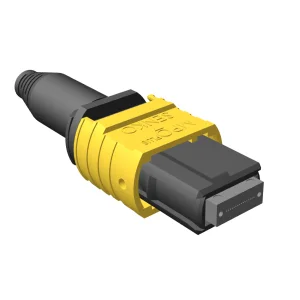
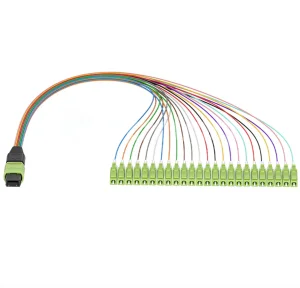
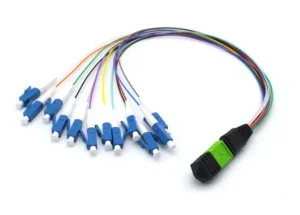
Combining 10G ER components with pre-terminated MTP/MPO trunk cords and multi-core fiber patch panels enables simple scaling options as bandwidth needs shift from 10G to 40G/100G.
Enterprise procurement directors and network architects must analyze optical systems using a holistic total cost of ownership (TCO) methodology. Purchasing passive equipment like patch panels, outdoor IP67 MPO cords, and couplers from a single manufacturing partner eliminates compatibility issues, optimizes insertion loss budgets, and ensures rapid deployment phases.
Established in 2012 in Hongkong as a high-tech communication enterprise, Kocent Optec Limited has grown into one of China's premier fiber optic termination product manufacturers and turnkey solution providers.
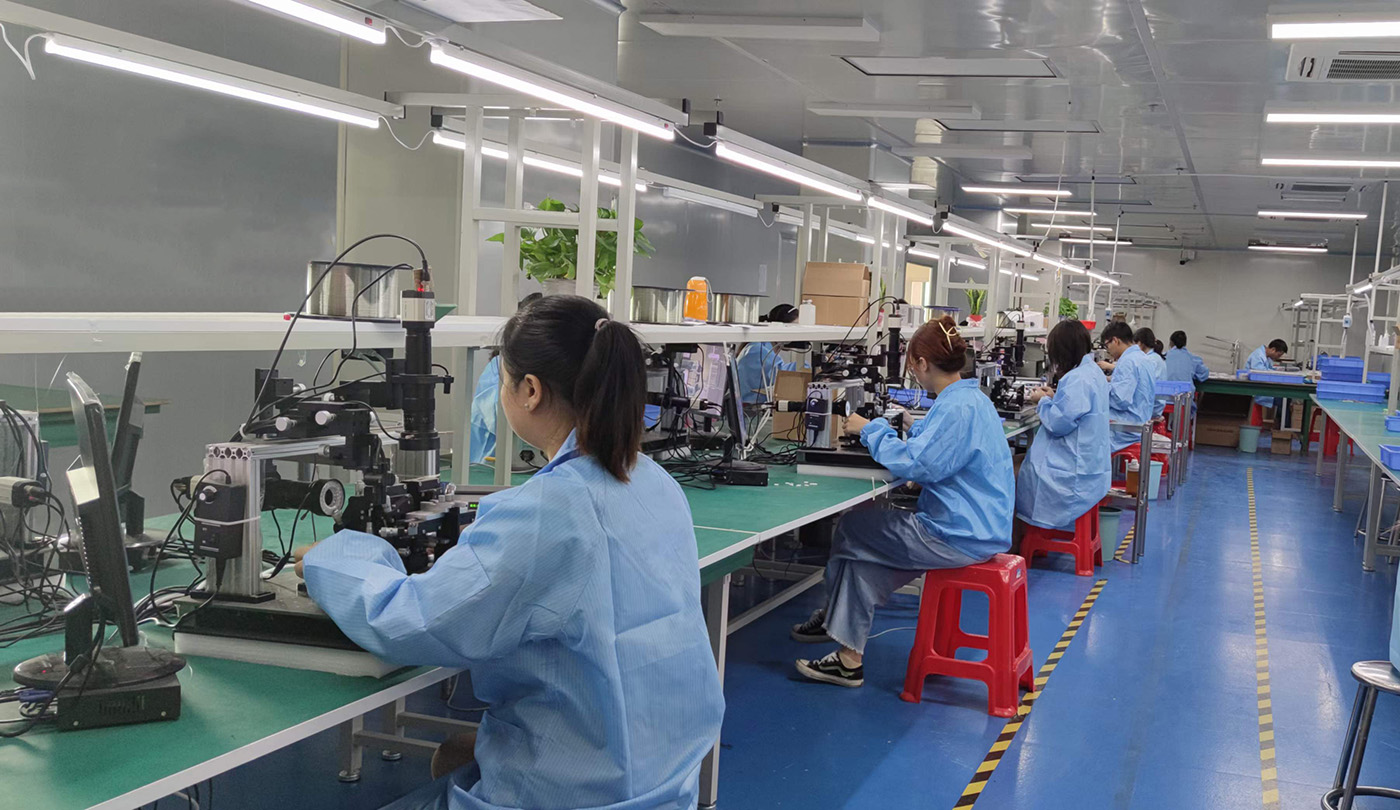
We are dedicated to developing and manufacturing state-of-the-art fiber optic communication products ranging from passive components to active network transceivers. Our solutions are deployed across telecommunication networks, enterprise infrastructures, and hyper-scale datacenters worldwide.
Leveraging over 13 years of specialized manufacturing experience and exceptional production capacities, we enable our valuable clients to maximize their infrastructure reliability. We prioritize customer collaboration and view ourselves as an extension of your engineering and procurement teams. We believe our manufacturing advantages are your competitive edges.
At Kocent Optec, we strictly adhere to rigorous global fiber optic standards. We deploy mature scientific methodologies to guarantee delivery timelines and ensure that 100% of our products are fully tested and inspected prior to international shipment.

Years of outstanding sales and service operations have allowed us to earn the trust of operators and enterprises globally. Kocent Optec proudly serves clients across East Asia, Southeast Asia, Middle East, Eastern Europe, Western Europe, Northern Europe, South America, North America, North Africa, and South Africa. Our OEM and ODM implementations frequently win Telecom Operator tenders and exceed end-user performance metrics.
An executive overview of scaling strategies, wave division multiplexing integration, and next-generation upgrades.
As bandwidth demand escalates, dark fiber optimization becomes crucial. 10G ER transceivers are increasingly coupled with Dense Wavelength Division Multiplexing (DWDM) multiplexers to scale link capacities without laying additional fiber lines.
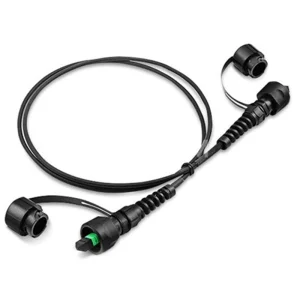
With smart cities and IoT nodes deployed in harsher environments, optical distribution elements must resist extreme temperature variations. Standardized IP67 connector systems (ODVA, Fullaxs, PDLC) are now industry defaults for reliable outdoor runs.
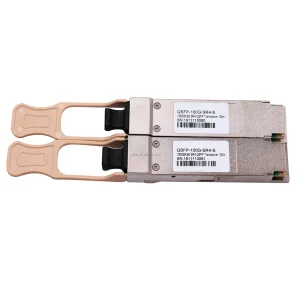
While 10G networks remain highly functional for access networks, enterprise cores are adapting designs that allow drop-in upgrades to 25G SFP28 and 100G QSFP28 form factors, reusing existing fiber patch management panels.
Get professional clarification on technical compatibility, engineering margins, and production metrics for 10G ER platforms.
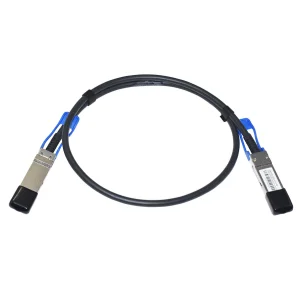
Verify high-density copper twinax assemblies, fiber transceivers, and multi-core fiber routing components designed for mission-critical enterprise systems.
 KOCENT OPTEC