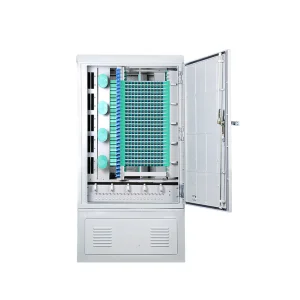
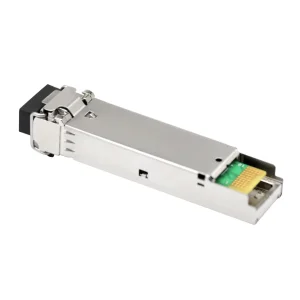
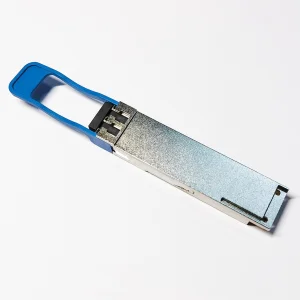
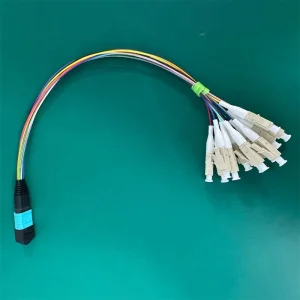
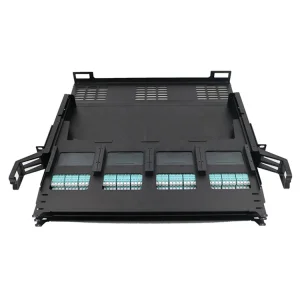
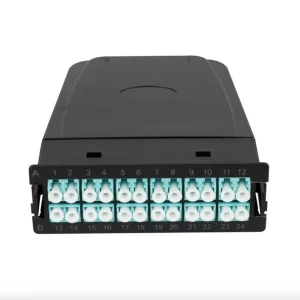
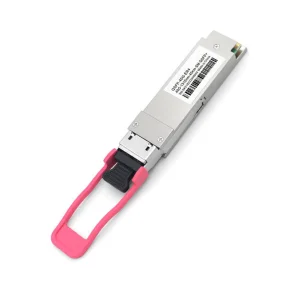
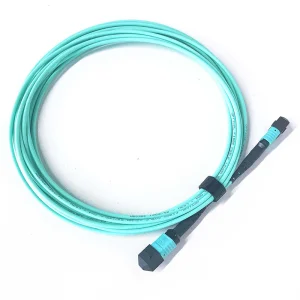
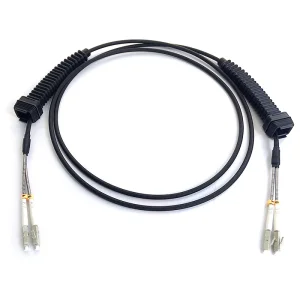
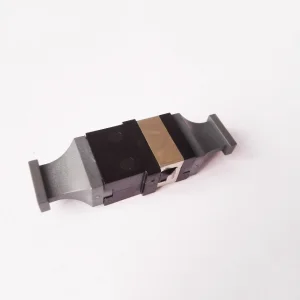
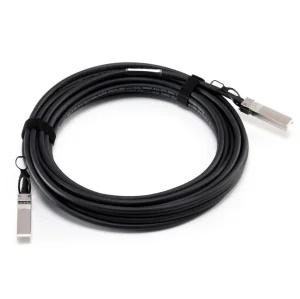
Explore our highly-acclaimed optical transceivers, high-density modular cassettes, patch panels, and adapters engineered to fulfill optical infrastructure specifications.
Understand the precise structural components and material science that make armored fiber assemblies vital for harsh environments.
Standard fiber optic cords are susceptible to tensile failures, bend deformation, micro-bending losses, and rodent damage. Armored fiber patch cords address these vulnerabilities. By integrating a flexible mechanical protection layer directly underneath the outer polymer jacket, they provide unparalleled protection without compromising on structural flexibility.
The micro-diameter stainless steel sheath (often constructed from helical SUS304 tape) guarantees high crush resistance (up to 3000N/100mm) while retaining a tight minimum bend radius of up to 10D (dynamic) or 20D (static). This makes them ideal for dense enterprise data centers, overhead industrial trays, and challenging outdoor-to-indoor transitions.
Crush Resistance: Long-term limit ≥ 1000N/100mm; Short-term limit ≥ 3000N/100mm
Tensile Strength: Long-term limit ≥ 300N; Short-term limit ≥ 600N
Bending Radius: Dynamic 20×D; Static 10×D (D represents outer diameter)
OEM factories generally supply two categories of armor plating within assemblies: Helical (Spiral) Steel Armor and Braided Steel Wire Mesh. Helical steel tape armor relies on interlocking layers of stainless steel wound along the length of the internal buffered fiber. This configuration creates a highly robust barrier against lateral crush weights and sharp rodent bites, and serves as an effective kink-resistant sleeve. On the other hand, braided steel wire armor offers greater longitudinal tensile strength and high torsional flexibility, making it suitable for umbilical drag chains and continuous motion applications in heavy manufacturing industries.
How global infrastructure networks match armored optic components with operational environment parameters.
| Operating Environment | Predominant Stress Factors | Recommended Armored Assembly | Connector & Polish Types |
|---|---|---|---|
| Hyperscale Data Centers | Cable trays overload, micro-bends, high-density congestion | OM3/OM4 12/24/16-Core MTP/MPO Armored Trunks (3.0mm) | MTP/MPO APC or UPC Low-loss Elite (≤0.35dB) |
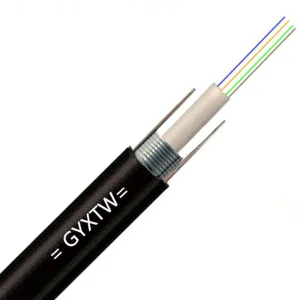
| Fiber-to-the-Antenna (FTTA) | UV exposure, extreme wind shear, lightning strike potentials | Outdoor GYXTW Central Loose Tube / NSN Compatible Patch Cords | IP67 Sealed DLC Connectors, standard LC/UPC |
| Heavy Industrial Manufacturing | Dynamic movement, oil mist, chemical erosion, EMI | Stainless Steel Braided TPU jacketed patch cords | Industrial Hardened Bayonet LC/SC Connectors |
| Subsea Landing Stations | Hydrostatic pressure, moisture ingress, salt corroding | Double-shielded SUS316 Armored Assemblies, PE Outer Jacket | Hermetically-sealed custom metal terminations |
How modern automated manufacturing methodologies drive down costs without sacrificing quality standards.
Every single core manufactured in our OEM center undergoes 3D geometric testing on DOMS interferometers. This process tests key metrics like fiber undercut/protrusion, radius of curvature, and apex offset to guarantee reliability under demanding conditions.
By using direct bulk sourcing from top-tier raw material producers (such as Corning glass preforms and US Conec housings) alongside local supply hubs in Guangdong and Zhejiang, we reduce lead times and total cost of ownership (TCO) for global operators.
We ensure that 100% of our products are tested and inspected before shipment. Our testing protocols cover thermal cycling (-40°C to +85°C), physical shock resistance, and salt spray exposure, meeting or exceeding Telcordia specifications.
OEM factories leverage highly integrated, automated line configurations. From automated fiber cutting and jacket stripping to high-precision curing ovens and advanced polishing machines, human error is minimized. Our manufacturing facilities utilize statistical process control (SPC) to track variation in insertion loss (IL) and return loss (RL). We consistently target and achieve IL performance limits below 0.20dB for single-mode components and return loss profiles exceeding 60dB for APC terminations.
What enterprise procurement managers must evaluate when selecting Tier-1 manufacturing partners.
Enterprise procurement agents face critical sourcing decisions in today's supply chain. In addition to unit pricing, it is essential to review verified factory certifications (such as ISO9001:2015, ISO14001, and OHSAS18001), regulatory compliance markers (RoHS and REACH), and local customs clearances.
Top-tier operators require OEM partners to provide complete verification packages. This includes third-party lab certifications, comprehensive lot traceability documents, and electronic access to test results for all components. Having these protocols in place minimizes deployment risk, reduces onsite testing demands, and shortens project schedules.
Where next-generation passive optical infrastructure is heading over the next decade.
As 400G, 800G, and future 1.6T transceivers gain traction, data center space is at a premium. The industry is moving toward micro-armored fiber assemblies. These next-generation patch cords feature an outer diameter of only 1.8mm to 2.0mm, reducing total volume by nearly 40% compared to traditional 3.0mm armored assemblies while maintaining strong crush resistance.
Global fire safety codes and environmental regulations are accelerating the transition to Low Smoke Zero Halogen (LSZH) and Polyurethane (TPU) outer jackets. These materials prevent the release of toxic, corrosive gases during combustion, protecting both mission-critical equipment and personnel.
As optical connections migrate directly to the silicon level via Co-Packaged Optics (CPO), armored break-out cables will play an important role. They protect delicate, multi-core fiber arrays routing directly from high-density chipboards to standard rack-mounted faceplates, ensuring long-term mechanical stability.
A trusted partner for global telecom networks and passive optical solutions.
Kocent Optec Limited established in 2012 in Hongkong as a hi-tech communication enterprise, is one of China's leading fiber optic termination product manufacturer and solution provider.
We're dedicated to developing and manufacturing fiber optic communication products ranging from passive to active categories for telecommunication networks, enterprise networks and data centers.

By leveraging our extensive experience and excellent production capacity we gained over the years, we magnify the outcome for our valuable customers, which ultimately expands their core competencies and helps them outperform competitors. We place emphasis on customer collaboration, and we define ourselves as your valuable partner in fiber optic connection solutions. We believe our differentiators are your perceived advantages.

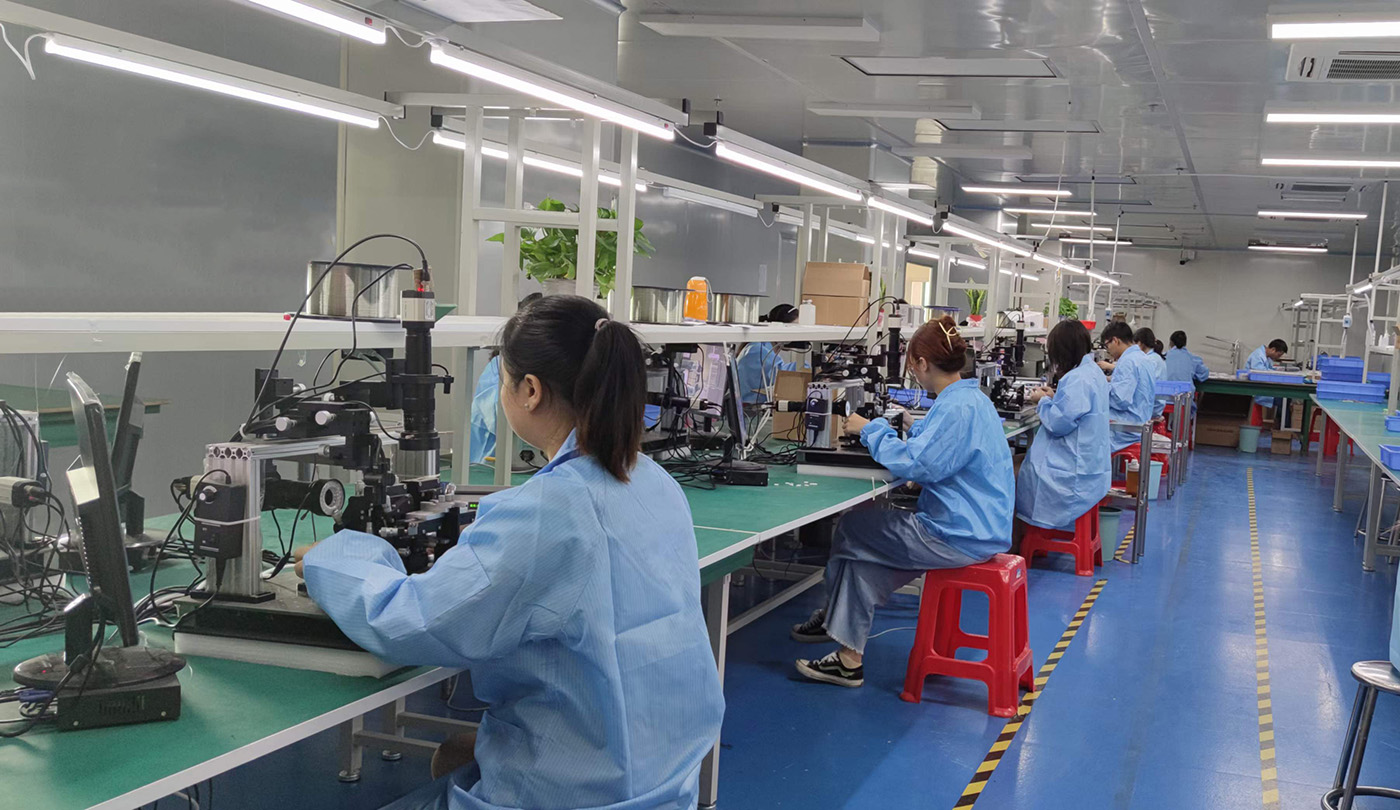
With more than 13 years of experience in manufacturing telecommunication fiber optic products, we follow strictly fiber optic industry standards by using mature scientific methods to deliver your products on time and ensure that 100% products are tested and inspected before shipment.
Years of sales and service experience have enabled us to win customers from different regions. Today, we have customers from East Asia, Southeast Asia, Middle East, Eastern Europe, Western Europe, Northern Europe, South America, North America, North Africa, and South Africa.
Win-win cooperation is our constant goal. Many our OEM and ODM products won the Telecom Operator tender and satisfy end-user request.
Our main terminal telecom operators include: SingTel, Vodafone, America Movil, Telefonica, Bharti Airtel, Orange, Telenor, VimpelCom, TeliaSonera, Saudi Telecom, MTN, Viettel, Bitel, VNPT, Laos Telecom, MYTEL, Telkom, Telekom, Entel, FiberTel, StarFiber, Ooredoo, Beeline, Azercell.
Common questions from engineering team leads and network operators regarding armored fiber assemblies.
The flexibility is maintained because of the helical spiral configuration of the stainless steel tape. The interlocking segments slide slightly against each other as the cord is bent, allowing for a tight bend radius (10D static) without pinching the internal optical fiber buffer or creating bend-induced signal attenuation.
Yes, provided they feature a direct burial-rated jacket such as Polyethylene (PE) combined with a double armored layer. This prevents moisture ingress and resists the pressures exerted by surrounding soil and shifting ground conditions.
Because the internal steel armor is completely enclosed within insulating polymer outer jackets, it is physically isolated from electric fields. However, for complete isolation in EMI-sensitive environments, all-dielectric armored cables (which use rigid glass fibers or aramid yarns) are recommended.
All connectors undergo strict pull-tests and 3D interferometry analysis. We terminate the armor structure directly to the connector body, ensuring that mechanical pulling force is absorbed by the steel casing rather than the glass core.
Explore more products from our factory lineup, including high-density distribution frameworks, trunk cables, transceivers, and patch cords.
 KOCENT OPTEC