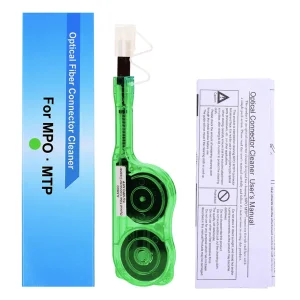
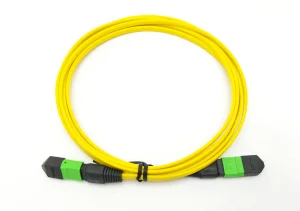
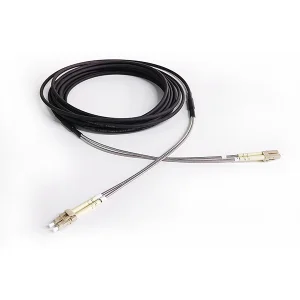
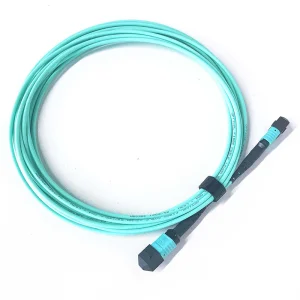
Explore our highly integrated active transceivers, cabling solutions, and structural installation components built to exact global operator specifications.
Aerial fiber optic cable deployment remains the most critical cost-to-benefit mechanism for scaling FTTx and suburban telecommunication topologies globally. Unlike buried installations, aerial pathways utilize existing utility structures, mitigating the immense CapEx required for civil excavation. However, suspending high-density optical pathways exposes components to dynamic environmental vectors: high-velocity wind loading, localized ice accretion, vertical thermal expansion, and electrical tracking near medium-to-high voltage power distribution lines.
This industry analysis provides network architects, telecom procurement managers, and system integrators with direct engineering data regarding ODM Aerial Fiber Optic Cable selection, cost structures, and manufacturing processes, with a specific focus on optimizing Total Cost of Ownership (TCO).

Different aerial environments require distinct mechanical and protective properties. Selecting the correct outer sheath and load-bearing profile prevents attenuation and system degradation.
Constructed entirely of non-conductive dielectric materials, ADSS cables are ideal for installation along high-voltage transmission lines. They utilize aramid yarn (Kevlar) as the primary strength member, offering massive tensile strength without attracting lightning strikes or inducing electrical discharges.
Combining a stranded steel messenger wire and the optical core within a single extruded polyethylene (PE) outer sheath, Figure-8 cables minimize installation time by allowing single-pass stringing. They offer reliable mechanical performance for CATV and local distribution networks.
Engineered for last-mile customer connections, drop cables feature a small footprint, low bend-radius fiber (G.657.A1/A2), and structural compatibility with PA66 Nylon drop clamps. Ideal for rapid distribution networks and municipal rollouts.
Meeting international telecommunication and mechanical guidelines ensures over 25 years of field operational integrity under extreme structural loads.
In aerial environments, fiber stress must remain near 0% even when the outer cable structure expands under wind pressure or ice loads. At Kocent Optec, we build our ODM Aerial Fiber Optic Cables with an excess fiber length (EFL) control process. Our loose tubes are filled with high-viscosity thixotropic gel to prevent water ingress and damp vibrations, protecting the inner cores from micro-bending attenuation.
Our ADSS structures employ high-modulus aramid yarns wrapped in optimized counter-helical angles to balance radial compression and linear tension. This ensures compatibility with standard tension and suspension fittings, preventing outer sheath slippage.
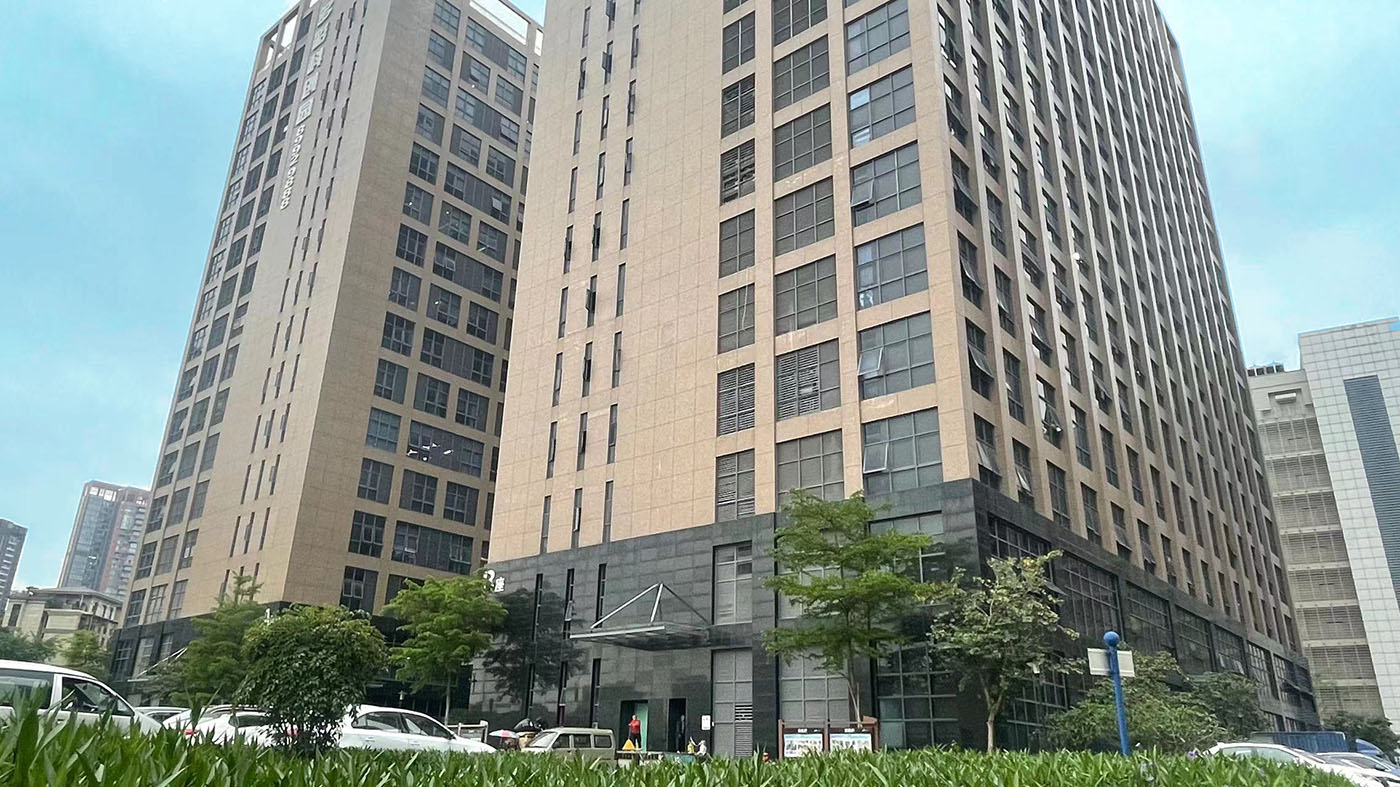
Environmental requirements differ significantly across regions. We optimize outer sheath formulations and structural strength profiles to meet local challenges.
In high-voltage environments, space potential exceeds critical thresholds. Regular PE cables degrade due to electrical tracking caused by dry-band arcing. Our ODM ADSS cables use advanced tracking-resistant (TR) outer sheaths (for voltages >110KV) formulated with specialized metal oxides. This prevents structural degradation and sheath failure near high-voltage lines.
In high-latitude and coastal regions, wind speed and ice accretion create massive mechanical loads on suspended lines. We calculate the sag and span parameters (up to 1000m spans) based on NESC Heavy Loading criteria. This enables us to configure the precise denier count and quantity of aramid yarn needed to prevent structural sag and fiber attenuation.
High humidity, salt spray, and extreme UV exposure quickly degrade inferior polymers. Our sheaths contain active Carbon Black dispersions (minimum 2.5%) and UV stabilizers. This prevents cracking, brittleness, and water migration into the core tubes, securing structural integrity in marine environments.
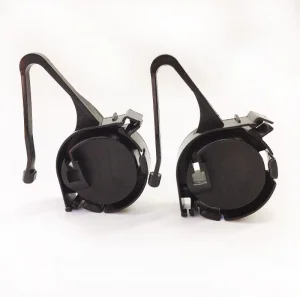
For dense residential rollouts, deployment speed is crucial. We supply lightweight Figure-8 and drop cables paired with weather-resistant PA66 Nylon drop clamps. This configuration allows field crews to install cables quickly onto existing poles without using complex tools, reducing deployment times by up to 40%.
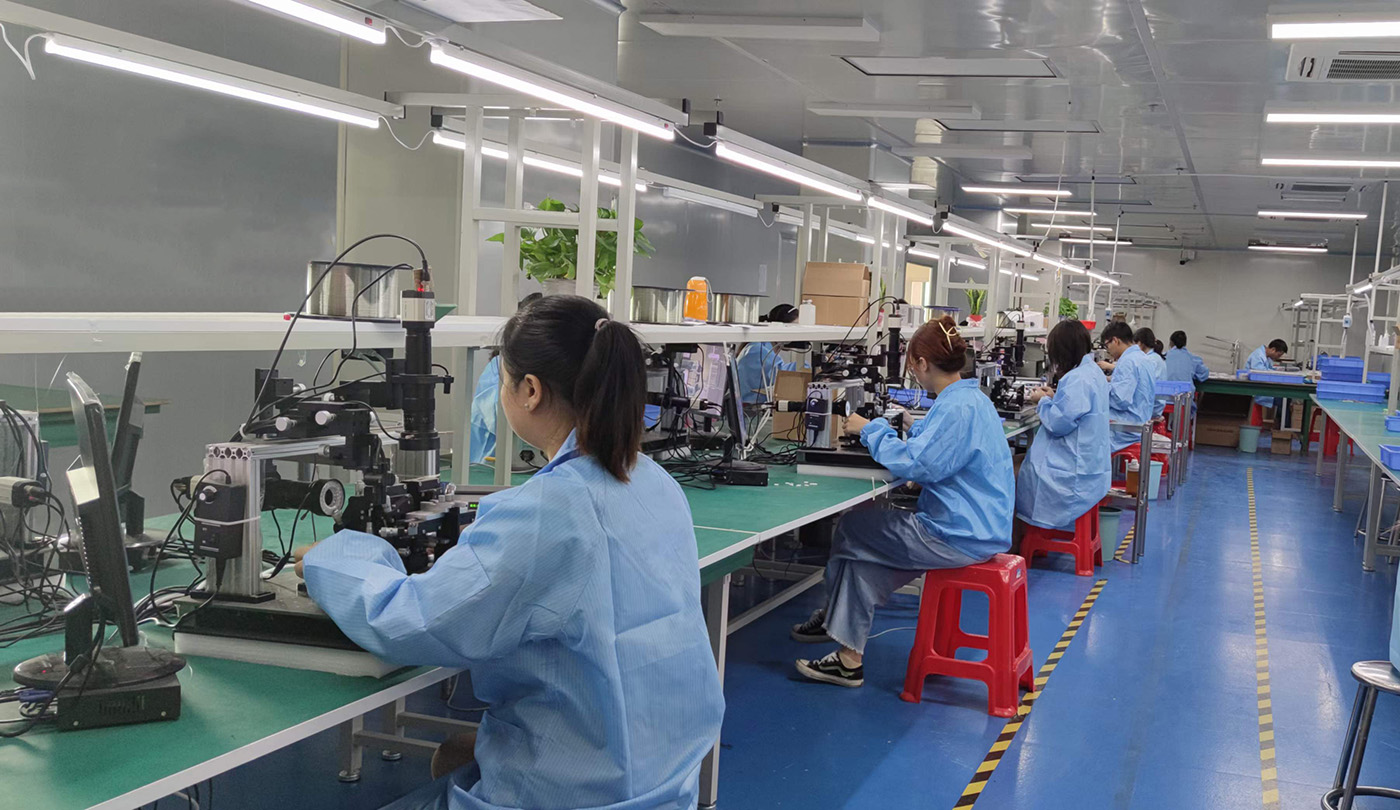
As a leading Chinese fiber optic communication manufacturer, Kocent Optec Limited integrates advanced raw material sourcing with automated production lines. Our facility utilizes high-speed vertical extrusion lines, automated planetary stranding machines, and real-time laser diameter monitoring systems to maintain consistent sheath thickness and concentricity.
By sourcing raw optical preforms and polymer compounds from regional suppliers, we protect our production schedules from global supply chain disruptions. This localization reduces lead times and lowers shipping costs, allowing us to pass these savings directly to our customers.
Our quality control system requires 100% testing on all fiber drums. We conduct OTDR attenuation tests, water penetration checks, mechanical crush testing, and environmental cycling tests before every shipment, ensuring compliance with international carrier standards.
Our aerial and connectivity products conform to rigorous international quality criteria, enabling reliable integration into tier-1 telecom infrastructures worldwide.
Fully compliant with IEC 60794-4 guidelines, governing mechanical tension, bend parameters, crush resistance, and thermal performance under atmospheric exposure.
Ensures that our all-dielectric self-supporting (ADSS) cables meet structural safety, electrical safety, and mechanical loading performance along utility poles.
Utilizes premium optical cores featuring low attenuation (≤0.32 dB/km at 1310nm) and excellent compatibility with existing single-mode networks.
Established in 2012 in Hong Kong as a high-tech communication enterprise, we are dedicated to developing and manufacturing passive and active fiber optic communication products for telecom networks, enterprise networks, and data centers.
By leveraging our extensive manufacturing experience and production capacity, we help our customers expand their core competencies and win key operator tenders. We prioritize long-term collaboration and position ourselves as your partner in fiber optic connection solutions.
Our OEM/ODM products are designed to meet the strict requirements of major global telecom operators. Our components and cables are deployed across networks managed by:
Transparent cost breakdowns are essential for large-scale planning. Understanding the key material and construction variables helps optimize your project budget.
We design and manufacture customized configurations for various span lengths, environmental conditions, and fiber counts to meet your exact project specs.
Regional Sales Hub: Hong Kong Head Office / Shenzhen Factory
Standard Production Time: 10-15 business days for standard drums
Support Email: [email protected]
We continue to refine our fiber designs to meet the evolving demands of modern aerial utility corridors and next-generation networks.
Deploying 200-micron fibers instead of standard 250-micron fibers allows us to pack more channels into a smaller cable diameter. This reduces overall cable weight and wind resistance, allowing you to use lighter, lower-cost suspension hardware.
To support sustainability goals, we are testing halogen-free, bio-derived thermoplastic sheaths. These materials reduce the carbon footprint of production while maintaining the same weather resistance and UV protection as traditional petroleum-based jackets.
By integrating Optical Time Domain Reflectometer (OTDR) components directly into smart distribution networks, operators can monitor cable temperature and mechanical strain in real time. This allows you to identify line sagging or ice buildup before outages occur.
Get answers to common technical and procurement questions from our optical engineering team.
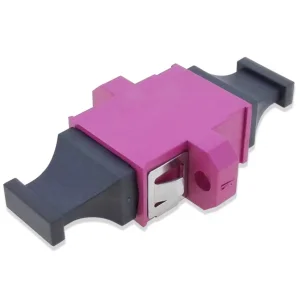
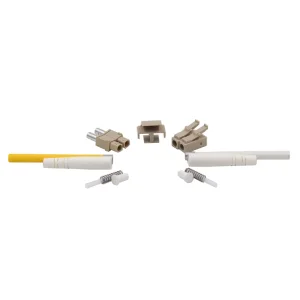
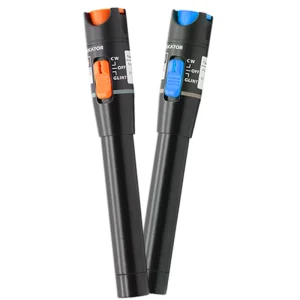
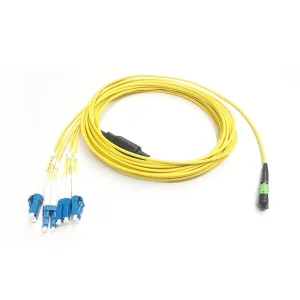
Explore our passive distribution solutions, tactical cabling, and field test equipment designed for rapid deployment and easy maintenance.
 KOCENT OPTEC