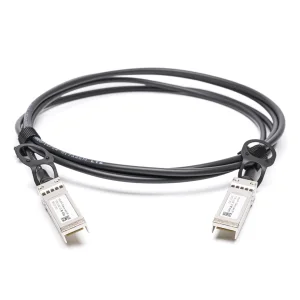
China SFP-H10GB-CU1M Compatible 10G SFP+ Passive Direct Attach Copper Twinax Cable Factory, Product
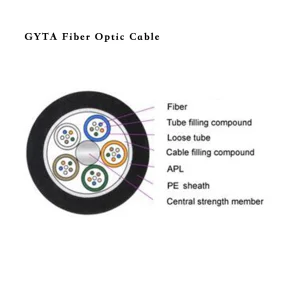
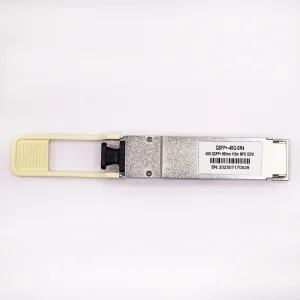
China KCO QSFP+ 40G SR4 40Gb/s QSFP+ MMF 100M MPO Connector Transceiver with DDM Suppliers, Factory
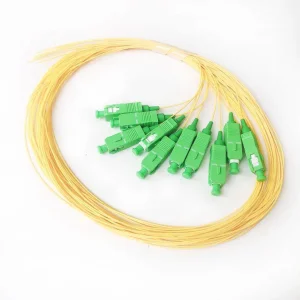
OEM 12 cores SC/APC 0.9mm Single Mode G657A1 Fiber Optic Pigtail Manufacturer, Factories
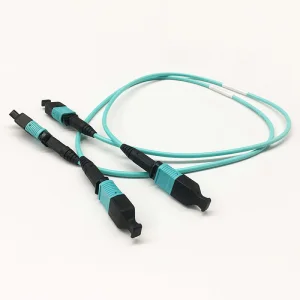
Wholesale MTP/MPO to FC OM4 16fo Fiber Optic Patch Cable Manufacturer, Suppliers
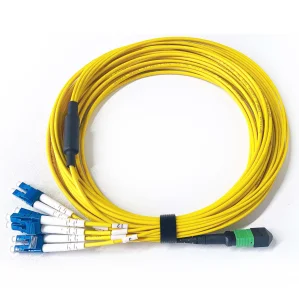
High-Quality MPO-12 to LC Single Mode Fiber Optic Patch Cable Manufacturers, Quotes
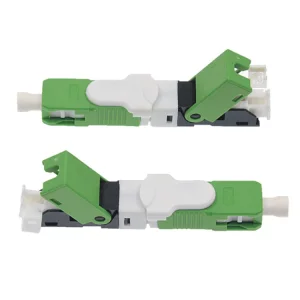
Cheap ESC250D Standard SC UPC APC Fiber Optic Fast Connector For FTTH Solution Supplier, Product
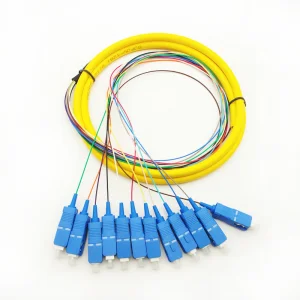
Cheap 12 cores Single Mode G652D SC/UPC Fanout Optic Fiber Pigtail Manufacturers, Factory
In the era of hyper-scale cloud data centers, high-performance computing (HPC) clusters, and high-frequency financial trading nodes, transmission speeds within the rack demand highly optimized infrastructure. The 100G QSFP28 Direct Attach Copper (DAC) twinax cable represents the most reliable, cost-effective, and energy-efficient solution for short-reach applications, typically under 5 meters. By utilizing passive copper technology, 100G DACs avoid the latency and energy penalties inherent in optical-to-electrical conversions, operating at near-zero power consumption and minimal latency.
As networks undergo rapid upgrades, the search intent of global IT sourcing managers shifts toward reliable ODM 100G DAC Suppliers who can offer tailor-made configuration solutions. ODM (Original Design Manufacturer) models go beyond simple replication. A premier ODM partner provides deep engineering control over the Physical Medium Dependent (PMD) layer, offering customized EEPROM register maps, varying copper wire gauges (AWG), and robust EMI shielding structures to survive harsh enterprise environments.
100G QSFP28 DAC assemblies are built compliant with the SFF-8665 (QSFP28 Pluggable Transceiver) and IEEE 802.3bj (100GBASE-CR4) standards. Sourcing high-quality twinax copper involves selecting the right American Wire Gauge (AWG) based on length limitations to prevent high-frequency signal attenuation.
| Specification Parameter | 30 AWG Wire Gauge | 26 AWG Wire Gauge | 24 AWG Wire Gauge | |
|---|---|---|---|---|
| Maximum Reach Range | 0.5 Meter to 1.5 Meters | 2 Meters to 3 Meters | 3.5 Meters to 5 Meters | |
| Insertion Loss (at 12.89 GHz) | < 22.48 dB | < 22.48 dB | < 22.48 dB | - |
| Bending Radius Minimum | 35 mm | 45 mm | 55 mm | |
| Cable Diameter (Nominal) | 6.2 mm | 8.2 mm | 9.5 mm |
For high-frequency performance, the differential impedance of the twinax layout is engineered within 100 ± 5 ohms. Advanced ODM suppliers implement robotic precision laser stripping and automated hot-bar soldering to control insertion loss deviation and minimize intra-pair skew (under 10ps/m). This strict precision guarantees a Bit Error Rate (BER) better than 1E-15 under maximum payload conditions.
Sourcing from a leading factory based in China's telecommunications cluster hub yields significant competitive advantages for enterprise networks and optical system integrators. By combining raw component integration, advanced automated welding machines, and rigorous physical testing suites, China-based ODMs achieve unparalleled scalability and quality consistency.
The manufacturing architecture involves vertical integration. From copper drawing and high-speed insulation extrusion to cable shielding braiding and plug assembly, each processing stage occurs within optimized regional ecosystems. In addition, the factory floor features automated testing arrays deploying Keysight Vector Network Analyzers (VNAs) and Digital Communication Analyzers (DCAs). This ensures that every individual patch cord, SFP assembly, or DAC line meets exact technical parameters prior to leaving the facility, achieving the zero-defect benchmark required by telecom operators.
Furthermore, ODM compatibility is customized at the software level. With in-house software engineers, the EEPROM of the 100G QSFP28 DAC can be coded and mapped with custom vendor signatures, enabling compatibility across mixed-vendor setups. Whether the target switches are Cisco, Mellanox, Arista, Juniper, Dell, or Huawei, the ODM can deliver pre-programmed compatibility, eliminating deployment obstacles in the field.
Procuring raw components and high-speed cables internationally requires a strict framework for regulatory compliance and logistical assurance. High-quality 100G DACs must adhere to standard global protocols including RoHS, CE, FCC, and REACH, ensuring that materials do not contain hazardous substances and emit low smoke in the event of heat stress (LSZH rating options).
Additionally, modern global enterprises demand comprehensive local support models. A reliable ODM supplier establishes collaborative logistics structures, providing warehousing buffers in regional hubs and quick-turn Field Application Engineering (FAE) support. When a network engineer experiences link state down indicators on a newly populated patch panel, FAE support can rapidly diagnose the physical layers or supply updated EEPROM microcode patches, minimizing downtime in active datacenters.
Kocent Optec Limited, established in 2012 in Hong Kong as a high-tech communication enterprise, is one of China's leading fiber optic termination product manufacturers and solution providers.
We are dedicated to developing and manufacturing fiber optic communication products ranging from passive to active categories for telecommunication networks, enterprise networks, and data centers.


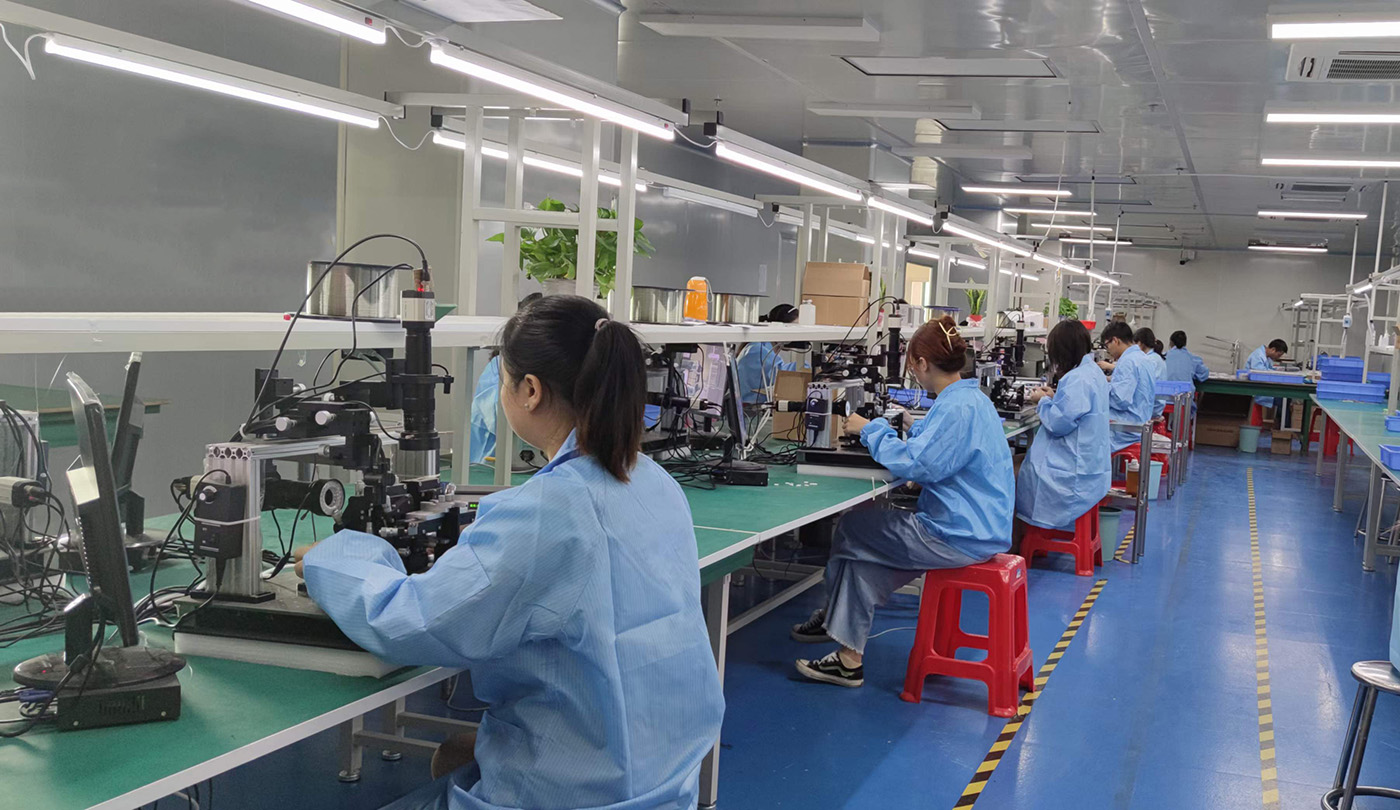
By leveraging our extensive experience and excellent production capacity we gained over the years, we magnify the outcome for our valuable customers, which ultimately expands their core competencies and helps them outperform competitors. We place emphasis on customer collaboration, and we define ourselves as your valuable partner in fiber optic connection solutions. We believe our differentiators are your perceived advantages.
With more than 13 years of experience in manufacturing telecommunication fiber optic products, we follow strictly fiber optic industry standards by using mature scientific methods to deliver your products on time and ensure that 100% products are tested and inspected before shipment.
Years of sales and service experience have enabled us to win customers from different regions. Today, we have customers from East Asia, Southeast Asia, Middle East, Eastern Europe, Western Europe, Northern Europe, South America, North America, North Africa, and South Africa.
Win-win cooperation is our constant goal. Many of our OEM and ODM products have won Telecom Operator tenders and satisfied end-user requests.
Our main terminal telecom operators include: SingTel, Vodafone, America Movil, Telefonica, Bharti Airtel, Orange, Telenor, VimpelCom, TeliaSonera, Saudi Telecom, MTN, Viettel, Bitel, VNPT, Laos Telecom, MYTEL, Telkom, Telekom, Entel, FiberTel, StarFiber, Ooredoo, Beeline, Azercell.
Browse through core questions commonly raised by system engineers and procurement officers regarding 100G DAC applications and configurations.
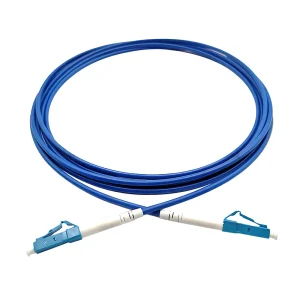
Cheap Indoor Single mode Simplex 1 Cores Armored Fiber Optic Cable Pricelist, Product
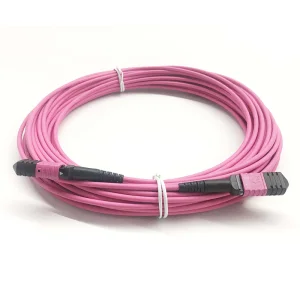
Wholesale MTP/MPO OM4 Fiber Optic Patch Cable Supplier, Suppliers
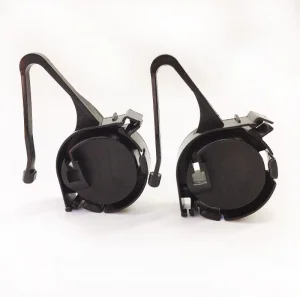
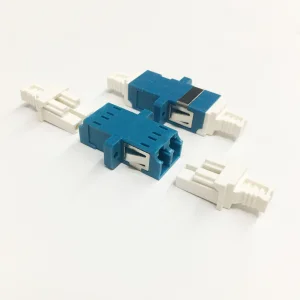
High-Quality Duplex High Dusty Cap Single Mode SM DX LC to LC Fiber Optic Adaptor Suppliers, Product
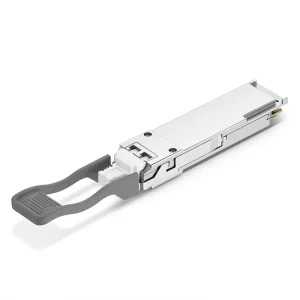
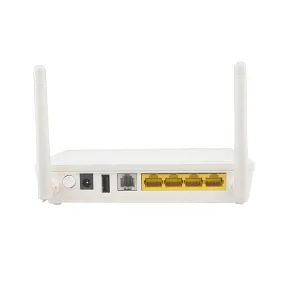
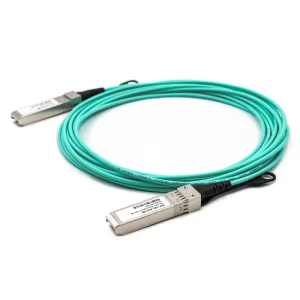
OEM 10Gb/s SFP+ Active Optical Cable Manufacturer, Pricelist
 KOCENT OPTEC