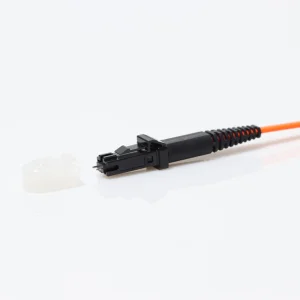
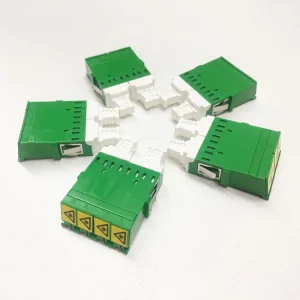
Explore our engineering-grade fiber transceivers, high-density panels, and interconnect assemblies designed for zero-packet-loss architectures.
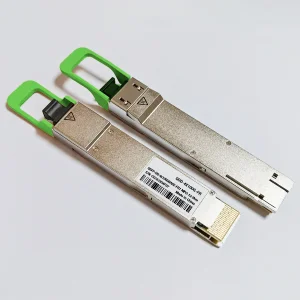
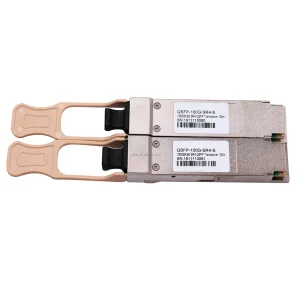
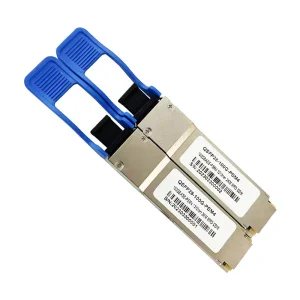
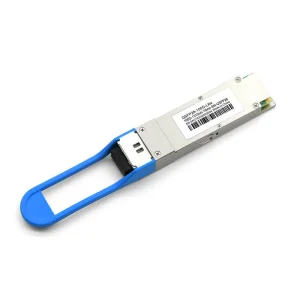
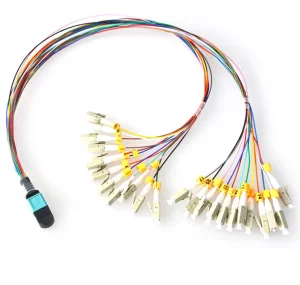
Exploring insertion loss performance, physical configuration, and engineering benchmarks required for high-speed fiber deployments.
Unlike simplex setups, a duplex patch cord is composed of two fibers—frequently set in a zipcord design—allowing for continuous bidirectional transmission. This configuration ensures separate transmit (TX) and receive (RX) channels, which are required for high-speed switch connections and telecom backbone stability.
For modern networks, transmission budget limitations are strict. Standard specifications require an insertion loss (IL < 0.2dB) and a return loss (RL > 50dB for UPC, and > 60dB for APC). Maintaining these values prevents signal degradation and supports optimal transceiver performance.
Jacket choices are determined by application environments and local building codes. In data centers, LSZH (Low Smoke Zero Halogen) is commonly specified to prevent toxic emissions during fires, while OFNP (Plenum) is typical for vertical risers and ventilation pathways.
The progression of fiber optical architectures from standard multi-mode configurations to next-generation single-mode and high-density designs.
As 400G and 800G platforms deploy, traditional LC connectors are giving way to MDC and SN connectors. These ultra-small duplex connectors double or triple density on patch panels, facilitating scalability without expanding physical footprints.
Coherent optics and PAM4 modulation require clean transmission paths. Implementing ultra-polished LC/UPC and angle-polished LC/APC terminations ensures reflection levels remain low, supporting longer transmission reaches.
Using ITU-T G.657.A1/A2 single-mode fibers allows patch cables to operate at tight bend radii with minimal macrobending loss, facilitating organized routing inside dense distribution frames.
Established in 2012 in Hong Kong as a high-tech communication enterprise, Kocent Optec Limited is a manufacturer of fiber optic termination products and connectivity solutions in China. We focus on engineering and producing fiber optic communication products from passive assemblies to active modules for telecom networks, enterprise infrastructures, and modern data centers.
Through our manufacturing processes and production facilities, we support our clients' networks, helping them meet operational targets and maintain service reliability. We emphasize close customer collaboration, positioning our operations as a technical partner in optical fiber connectivity.

Drawing on over 13 years of manufacturing experience, we follow international fiber optic industry standards (IEC, Telcordia GR-326-CORE) using structured manufacturing steps. We work to ensure timely deliveries and execute 100% testing and inspection prior to shipment, including geometric end-face measurements and optical insertion/return loss testing.
Our quality management systems monitor production from raw material selection—including ceramic ferrules, cables, and optical components—to final packaging, helping to ensure consistent performance under variable environmental conditions.
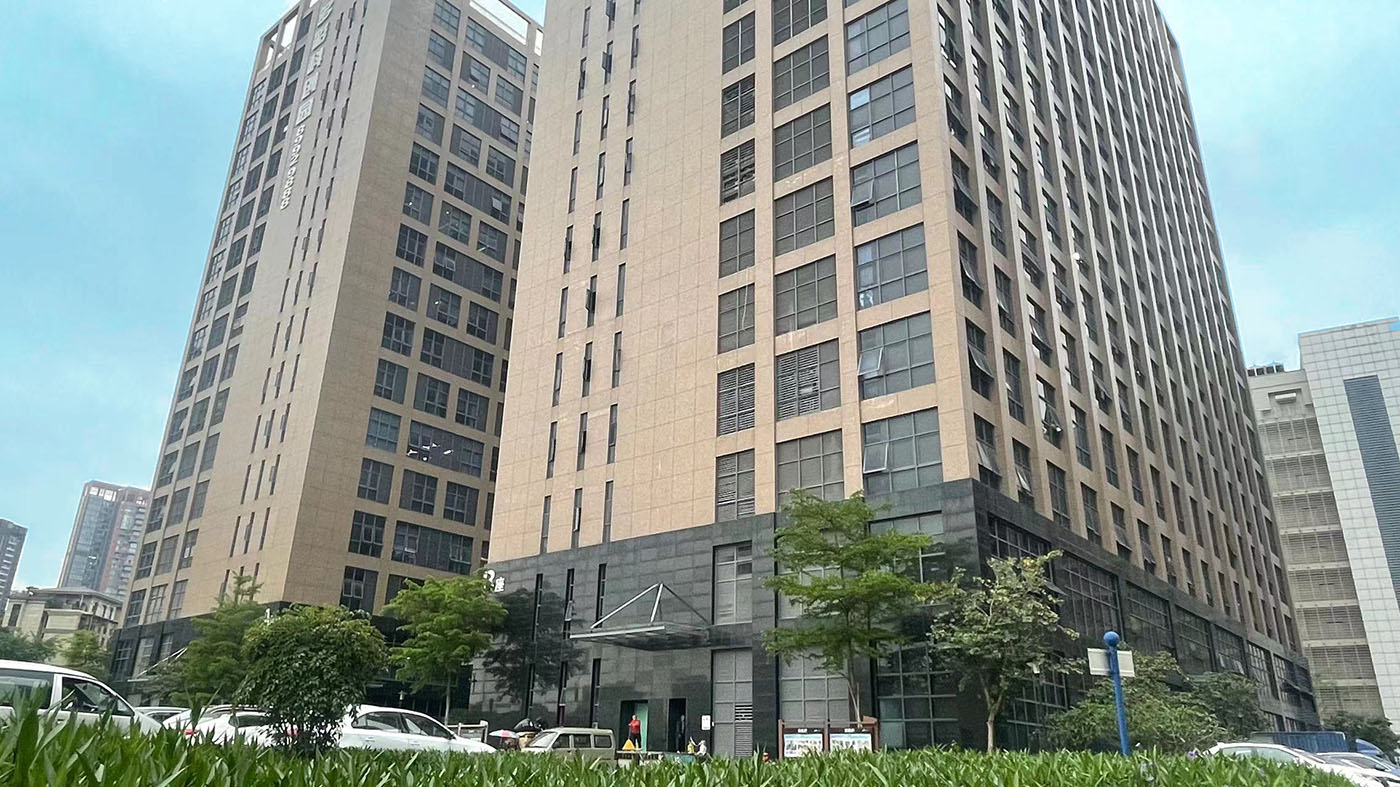
Our sales and service operations support customers across multiple regions, including East Asia, Southeast Asia, the Middle East, Eastern Europe, Western Europe, Northern Europe, South America, North America, North Africa, and South Africa.
We provide OEM and ODM manufacturing services to telecom operators, system integrators, and distributors, supplying products configured to meet standard and custom deployment requirements.
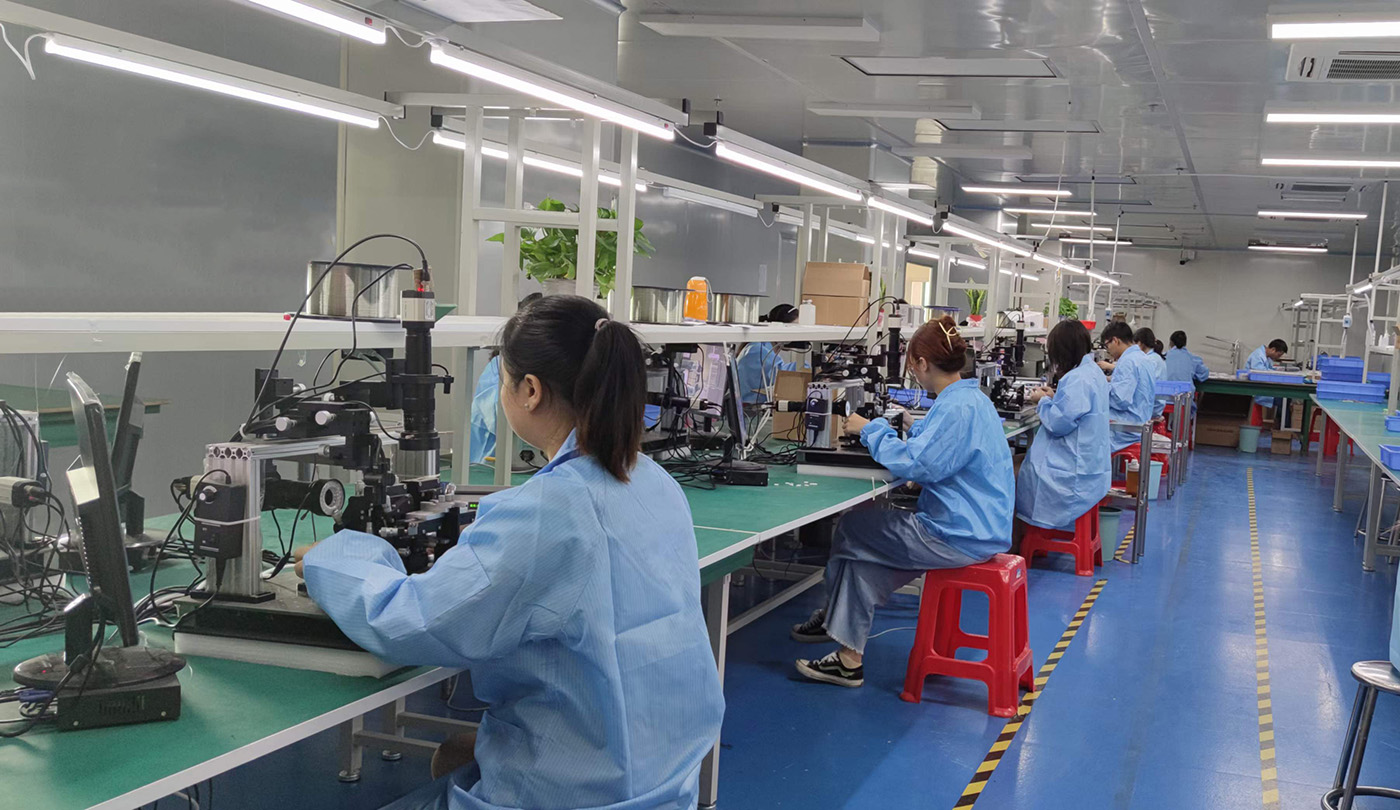
Our OEM and ODM components are deployed in networks managed by major telecom operators worldwide, meeting various network design requirements.
Tailored physical-layer configurations designed to resolve performance bottlenecks in distinct enterprise environments.
For high-density leaf-spine fabrics, we provide ultra-low loss (ULL) multi-mode OM4/OM5 and single-mode OS2 duplex patch cords. These cables support migration paths from 10G/40G/100G to 400G and 800G, reducing latency and reflections.
Designed to support FTTH central offices and fiber-to-the-desk deployments, our custom-length duplex jumpers maintain stability during installation, and use high-grade ceramic ferrules to prevent end-face wear during maintenance.
Our custom armor options offer protection against crush hazards, rodent damage, and tensile stress. These assemblies are suitable for factory floors, cellular towers, and outdoor telecom enclosures.
How Kocent Optec Limited integrates advanced manufacturing processes to support volume requirements and product consistency.
We test every ferrule geometry using standard 3D interferometers. We monitor parameters including radius of curvature, apex offset, and fiber undercut to verify physical alignment, minimizing degradation under thermal cycling.
Each batch of patch cords is assigned a tracking serial number linked to raw material records, manufacturing parameters, and testing logs. This documentation provides transparency and supports quality verification for enterprise audits.
We source standard-compliant glass fibers, ceramic ferrules, and flame-retardant outer jackets. Selecting grade-A materials reduces structural defects and minimizes degradation over extended operating lifespans.
Addressing common technical inquiries regarding high-reliability duplex optical connectivity solutions.
Further select assemblies, adapters, and splitters for telecom infrastructures and data center environments.
 KOCENT OPTEC