Browse our selection of premium telecommunication and optical networking solutions, rigorously engineered and tested to comply with international transmission standards.
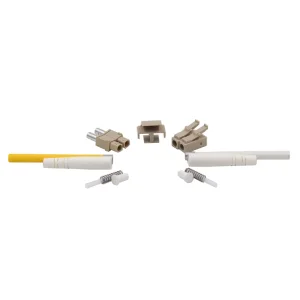
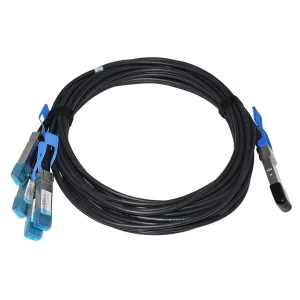
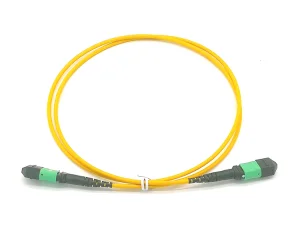
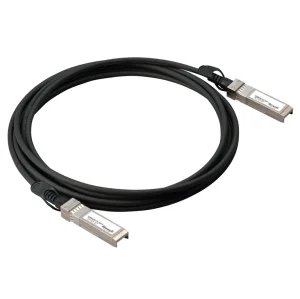
How Direct Attach Copper cables became the backbone of high-density hardware topologies, optimizing latency, power constraints, and hardware expenditures.
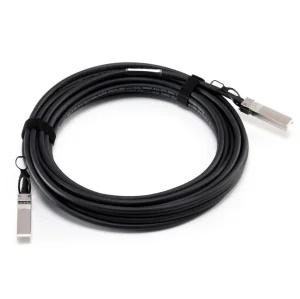
As datacenter architectures migrate from traditional 10G/40G backbones to 100G, 400G, and 800G fabrics, the 100G QSFP28 Direct Attach Copper (DAC) remains the industry's default standard for short-reach high-speed configurations. In hyperscale datacenters, high-performance computing (HPC) nodes, and AI clustering, over 80% of intrashelf connection points rely on copper cables.
The global shift is heavily driven by power consumption optimization. Passive DAC cables require zero operational power, generating zero heat footprint compared to optical transceivers which draw up to 3.5W to 5W per module. In a rack loaded with 48-port switches, utilizing passive DACs instead of optical transceivers translates to savings of hundreds of kilowatt-hours annually per rack, reducing overall thermal stress on cooling systems.
Furthermore, because DACs do not utilize laser components, they offer a vastly superior Mean Time Between Failures (MTBF) compared to Active Optical Cables (AOC) or standard fiber transceivers, delivering unparalleled reliability for critical storage area networks (SAN) and high-frequency trading platforms.
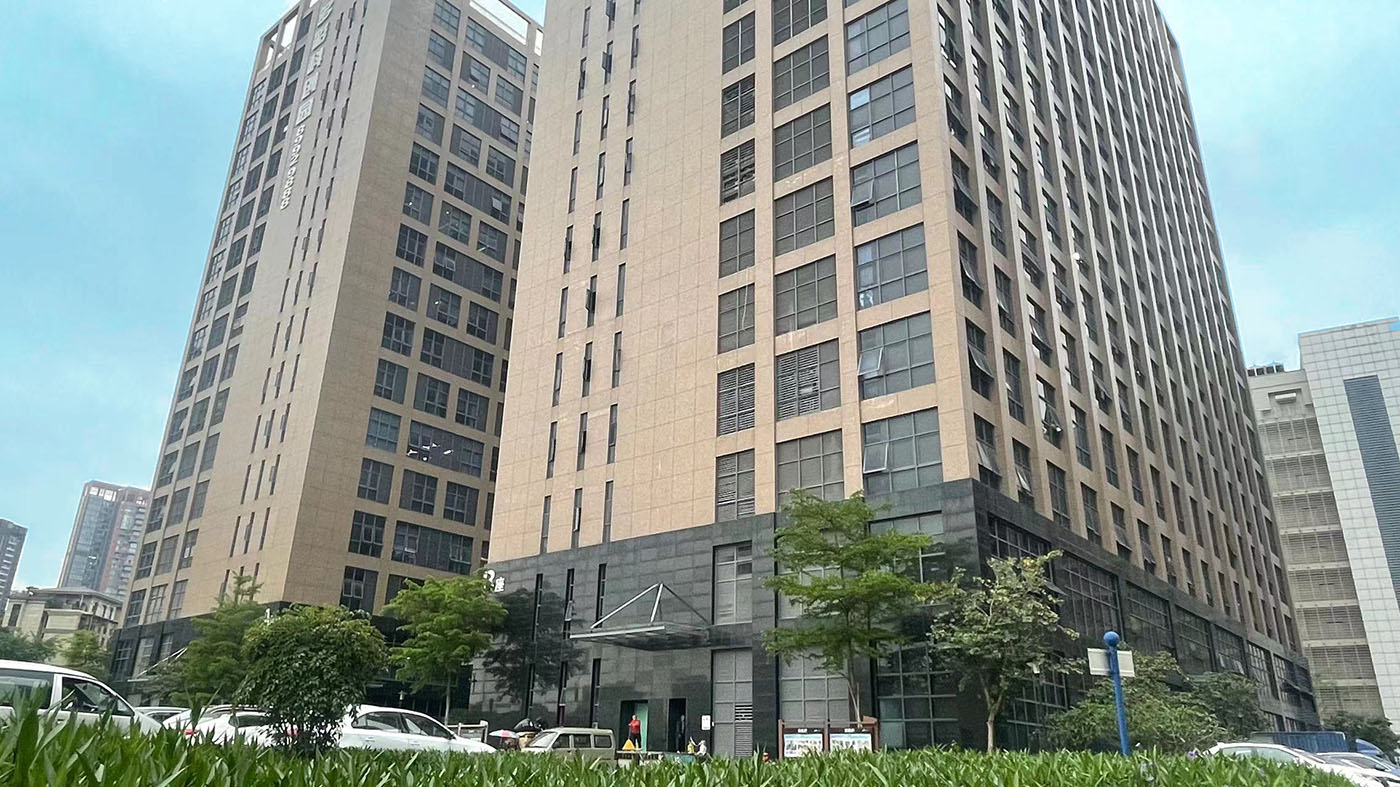

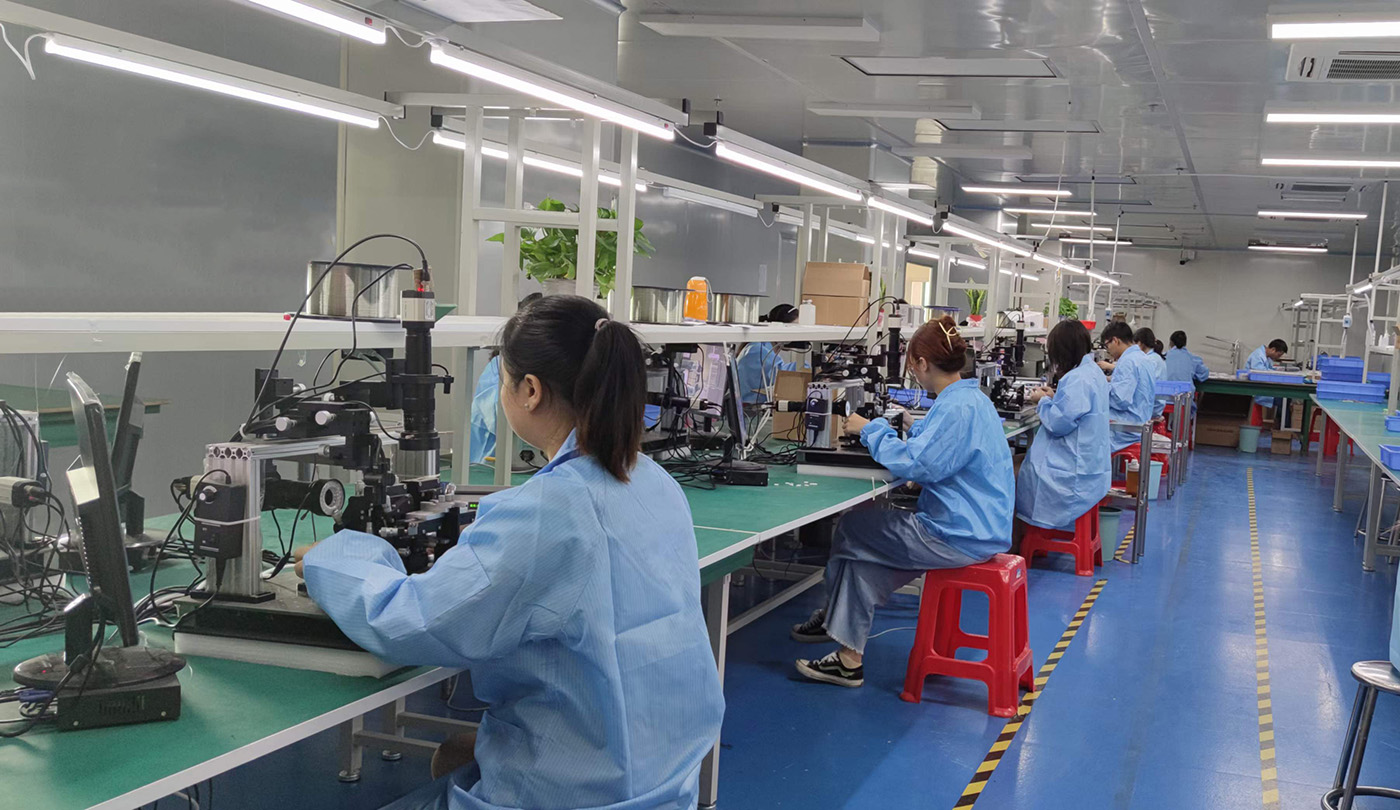
Production hubs in China, primarily clustered around the Guangdong-Hong Kong-Macao Greater Bay Area, represent the absolute zenith of telecommunication hardware supply chains. Our manufacturing plants integrate raw materials, copper purification, high-precision automated soldering (using advanced pulse heat methods), and performance qualification tests within a localized ecosystem.
By leveraging this integration, Kocent Optec Limited dramatically reduces lead times while offering competitive pricing. Standard Western configurations face supply bottlenecks due to split component sourcing, whereas our facility executes raw copper drawing, twinax shielding, custom EEPROM programming, and final QC verification under one roof.
Every batch of 100G QSFP28 DAC cables undergoes strict physical and electrical verification, including signal integrity analyses, insertion loss mapping, and compatibility simulations across major OEM switch protocols.
Established in 2012 in Hong Kong as a hi-tech communication enterprise, KOCENT OPTEC LIMITED has evolved into one of China's leading fiber optic termination product manufacturers and solution providers. We are dedicated to developing and manufacturing premium fiber optic and copper communication products ranging from passive to active categories for modern telecommunication networks, enterprise infrastructures, and next-generation data centers.
By leveraging our extensive experience and excellent production capacity gained over the years, we magnify the outcome for our valuable customers. This ultimately expands their core competencies and helps them outperform competitors in volatile market conditions. We place strict emphasis on customer collaboration, defining ourselves not just as a supplier, but as your valuable partner in advanced connection designs. We believe our technical differentiators are your perceived advantages.
With more than 13 years of experience in manufacturing telecommunication fiber optic and high-speed copper products, we follow strictly fiber optic and networking industry standards. We apply mature scientific methods to deliver your products on time and ensure that 100% of products are tested and inspected before shipment.
Years of intensive sales and service experience have enabled us to win customers from diverse global regions. Today, we have successfully developed business networks in East Asia, Southeast Asia, Middle East, Eastern Europe, Western Europe, Northern Europe, South America, North America, North Africa, and South Africa.
Win-win cooperation is our constant goal. Many of our OEM and ODM products have won Telecom Operator tenders and continue to satisfy demanding end-user requests worldwide.
Our engineered solutions are deployed globally within networks managed by the world's most prominent telecommunications groups:
Where copper outperforms optical alternatives in commercial, industrial, and institutional structures.
Perfect for linking physical servers to switch ports within standard 19-inch equipment racks. Passive DAC configurations under 3 meters offer near-zero latency, which is crucial for modern virtualization applications and hyper-converged architectures.
GPU clusters (e.g., NVIDIA H100, AMD Instinct architectures) require massive bandwidth and minimal latency for model training pipelines. Our low-crosstalk 100G DACs ensure steady parallel processing performance without packet drops.
In financial banking environments, microseconds govern transaction success. Using passive copper completely bypasses the transceiver optical-electrical conversion process, eliminating latency down to the physical limits of copper propagation velocity.
Selecting the correct wire gauge (AWG) based on length requirement to meet the IEEE 802.3bj standard for direct-attach systems.
| Part Number Configuration | Cable Length | Wire Gauge (AWG) | Target Price Range (FOB China) | Compatibility Profile |
|---|---|---|---|---|
| KCO-Q28DAC-P0.5M | 0.5 Meter | 30 AWG | $14.50 - $18.00 | EEPROM programmed for Cisco, Juniper, Arista, Dell, etc. |
| KCO-Q28DAC-P1M | 1.0 Meter | 30 AWG | $16.00 - $21.00 | EEPROM programmed for Cisco, Juniper, Arista, Dell, etc. |
| KCO-Q28DAC-P2M | 2.0 Meters | 30 AWG / 28 AWG | $22.00 - $28.00 | Optimum insertion loss compliance across multi-platforms. |
| KCO-Q28DAC-P3M | 3.0 Meters | 28 AWG / 26 AWG | $29.50 - $37.00 | Recommended for inter-rack patching layouts. |
| KCO-Q28DAC-P5M | 5.0 Meters | 26 AWG | $45.00 - $55.00 | Maximum passive copper threshold. Strictly qualified. |
The prices stated above serve as volume reference estimates. Real-time pricing is determined by: 1. Raw Material Indexes (especially high-grade copper pricing changes); 2. EEPROM Customization (dual-signature coding for complex, multi-vendor environments); 3. Fire Rating Certification (LSZH - Low Smoke Zero Halogen, OFNP Plenum, or PVC jackets); 4. Order Volume Breakpoints (custom runs for project tenders receive significant volume rebates).
The interconnect landscape is shifting rapidly. While 100G remains the absolute workhorse for main tier deployments, the underlying technologies are paving the way for higher speed paradigms. Key highlights include:
Detailed clarifications regarding compatibility, engineering, and manufacturing considerations for international buyers.
Reliable, high-density networking components designed to optimize and expand modern carrier and enterprise environments.
 KOCENT OPTEC