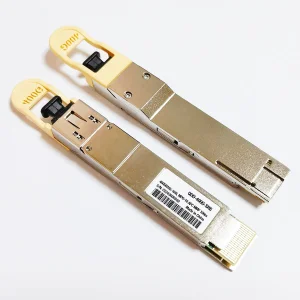
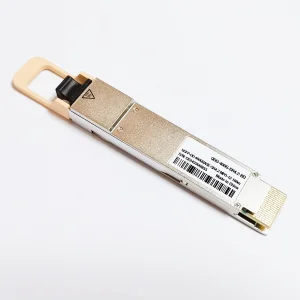
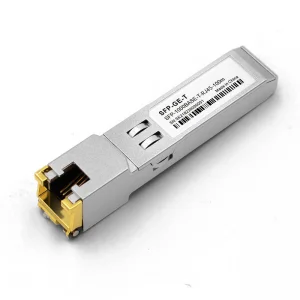
As the digital economy scales exponentially, enterprise networks and hyper-scale data centers face persistent pressure to scale bandwidth while lowering capital and operational expenditures. High-speed networking has long relied on optical transceivers; however, the evolution of 10GBASE-T SFP+ Copper modules (RJ45 transceivers) has transformed short-reach architectures. Running 10Gbps Ethernet over structured Cat6A/Cat7 copper cabling up to 30 meters (and recently up to 80 meters with advanced PHY chipsets) presents an incredibly cost-effective alternative to expensive fiber transceivers and dedicated optical fiber runs.
Globally, telecom operators, enterprise data hubs, and SMB infrastructures leverage copper transceivers to bridge legacy copper ports with high-speed SFP+ optical switches. By integrating a high-performance copper PHY (Physical Layer) chipset into the standard pluggable SFP+ form factor, manufacturers have allowed systems administrators to maximize existing Cat6A infrastructure. Understanding the dynamic pricing of these modules, often searched as "cheap 10G SFP+ Copper" solutions, requires analyzing the delicate balance between low-cost manufacturing processes and strict compliance with the Multi-Source Agreement (MSA) standards.
Urbanization, cloud migration, and smart manufacturing drive heavy demands for cost-optimized copper transceivers across East Asia, Europe, and North America. Bridging switches and servers without tearing out legacy Cat6A lines saves billions in installation labor costs globally.
Leading cheap 10G SFP+ copper module manufacturers must ensure native EEPROM coding compatibility with global OEM switch architectures (Cisco, Juniper, Arista, Huawei, Dell, HP) to reduce field deployment failures.
Operating over copper bypasses the need for high-end optical cleaning kits, fiber testing equipment, and specialty engineering support, resulting in a dramatic reduction in operational budgets (OpEx).
The core of a 10GBASE-T SFP+ copper transceiver lies in its DSP (Digital Signal Processor) and physical layer (PHY) transceiver chips (typically designed by industry pioneers like Marvell, Broadcom, or Aquantia). Operating a high-speed copper link within the strict power budget of standard SFP+ slots (which are traditionally engineered for low-power optical components) presents a significant engineering hurdle.
Early generation 10G copper transceivers suffered from high power consumption (exceeding 2.5W to 3.0W) and severe thermal issues, causing switches to throttle or fail under thermal overload. However, advanced manufacturing nodes (such as 28nm and 16nm PHY designs) have successfully lowered this power envelope. Modern high-quality, cost-efficient 10G SFP+ copper modules consume less than 1.5W to 1.8W, enabling safe, high-density line card configurations in data centers.
When sourcing products from cheap 10G SFP+ Copper manufacturers, engineering directors must closely evaluate the technical parameters. Under-performing modules might show high bit-error rates (BER) when cables run near high-voltage lines or when heat dissipation is compromised. Selecting components manufactured under strict ISO Quality management systems with robust EMI shielding and gold-plated PCB contacts is vital.
10G copper transceiver modules are highly versatile components used in various network architecture layers. By understanding user intent and regional deployment requirements, manufacturers tailor firmware and physical builds to excel in distinct physical environments:
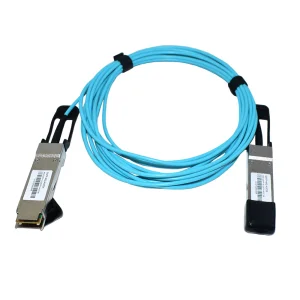
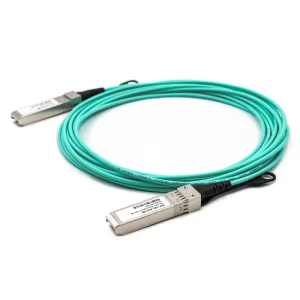
In modern leaf-spine structures, connecting ToR switches directly to adjacent servers within the same rack or adjacent racks (up to 30 meters) does not require active optical cables (AOCs) or fiber transceivers. 10G SFP+ copper transceivers use basic patch cords, minimizing the physical footprint and complexity of fiber cable trays.
Corporate headquarters and university campuses often have structured Cat6A backbone networks. Integrating affordable 10G SFP+ copper modules allows network administrators to upgrade aggregation switches from 1GbE to 10GbE without rewriting physical infrastructure, saving thousands of dollars in capital expenditure.
Industrial environments can be harsh for delicate optical fiber patches. High-speed industrial Ethernet relies on robust RJ45 connections to resist vibration and dust. Sealed SFP+ RJ45 transceivers provide robust 10Gbps connectivity to edge computing devices and IP security nodes.
While optical transceiver developments have pushed past 400G and 800G, copper transceivers hold a critical market share for short-range edge networking. The technology roadmap for copper networking elements demonstrates a continuous trend toward minimizing power consumption, increasing reach, and expanding compatibility.
Early adoption of 10GBASE-T SFP+ modules. Power footprint exceeded 2.5W, limiting installation to alternating switch ports due to high heat output.
Development of 28nm PHY architectures. Power demands decreased to ~2.0W, enabling 30m transmission on standard Cat6A copper cabling.
Introduction of ultra-low power PHY chips (<1.6W typical) extending reach to 80m and supporting NBASE-T (auto-negotiating 2.5G/5G/10G).
Development of cost-effective 25GBASE-T SFP28 copper modules for high-speed server links and cloud virtualization setups over next-gen copper.
Establish in 2012 in Hongkong as a hi-tech communication enterprise, Kocent Optec Limited is one of China's leading fiber optic termination product manufacturer and solution provider. We're dedicated to developing and manufacturing fiber optic communication products ranging from passive to active categories for telecommunication networks, enterprise networks and data centers.
By leveraging our extensive experience and excellent production capacity we gained over the years, we magnify the outcome for our valuable customers, which ultimately expands their core competencies and helps them outperform competitors. We place emphasis on customer collaboration, and we define ourselves as your valuable partner in fiber optic connection solutions. We believe our differentiators are your perceived advantages.
With more than 13 years of experience in manufacturing telecommunication fiber optic products, we follow strictly fiber optic industry standards by using mature scientific methods to deliver your products on time and ensure that 100% products are tested and inspected before shipment.
Years of sales and service experience have enabled us to win customers from different regions. Today, we have customers from East Asia, Southeast Asia, Middle East, Eastern Europe, Western Europe, Northern Europe, South America, North America, North Africa, and South Africa.
Win-win cooperation is our constant goal. Many our OEM and ODM products won the Telecom Operator tender and satisfy end-user request. Our main terminal telecom operators include: SingTel, Vodafone, America Movil, Telefonica, Bharti Airtel, Orange, Telenor, VimpelCom, TeliaSonera, Saudi Telecom, MTN, Viettel, Bitel, VNPT, Laos Telecom, MYTEL, Telkom, Telekom, Entel, FiberTel, StarFiber, Ooredoo, Beeline, Azercell.


Deploying cheap 10G SFP+ copper modules is only part of a modern network upgrade strategy. To guarantee error-free data transmission at 10Gbps, operators must combine these modules with matched, high-density structured cabling components. This approach ensures consistent signal strength and protects the network from interference.
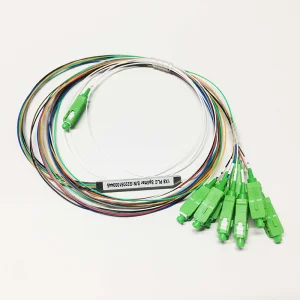
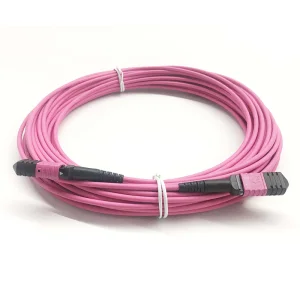
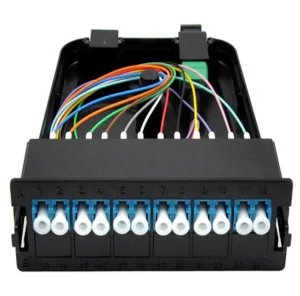
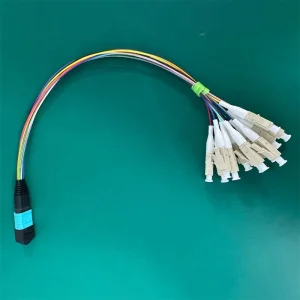
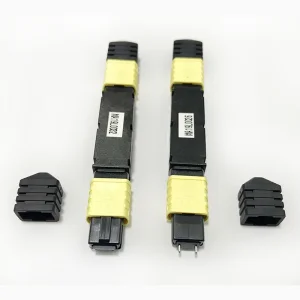
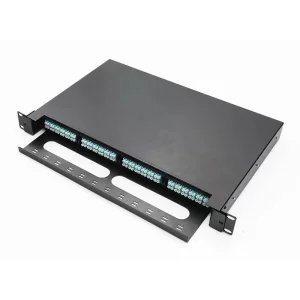
High-density setups benefit from using 96-fiber MPO patch panels and multi-fiber fanout assemblies alongside copper transceivers to form a hybrid backbone. Optical fiber forms the long-haul link between separate communications rooms, while SFP+ copper modules manage the connections within individual equipment racks. This hybrid framework ensures low latency for internal server traffic while maintaining clean fiber trunk links across the campus or data center.
Leveraging MPO/MTP high-density fiber paths for vertical cores and 10GBASE-T copper transceivers for horizontal rack layouts achieves a balance between cost optimization and performance reliability.
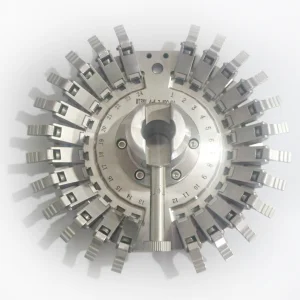
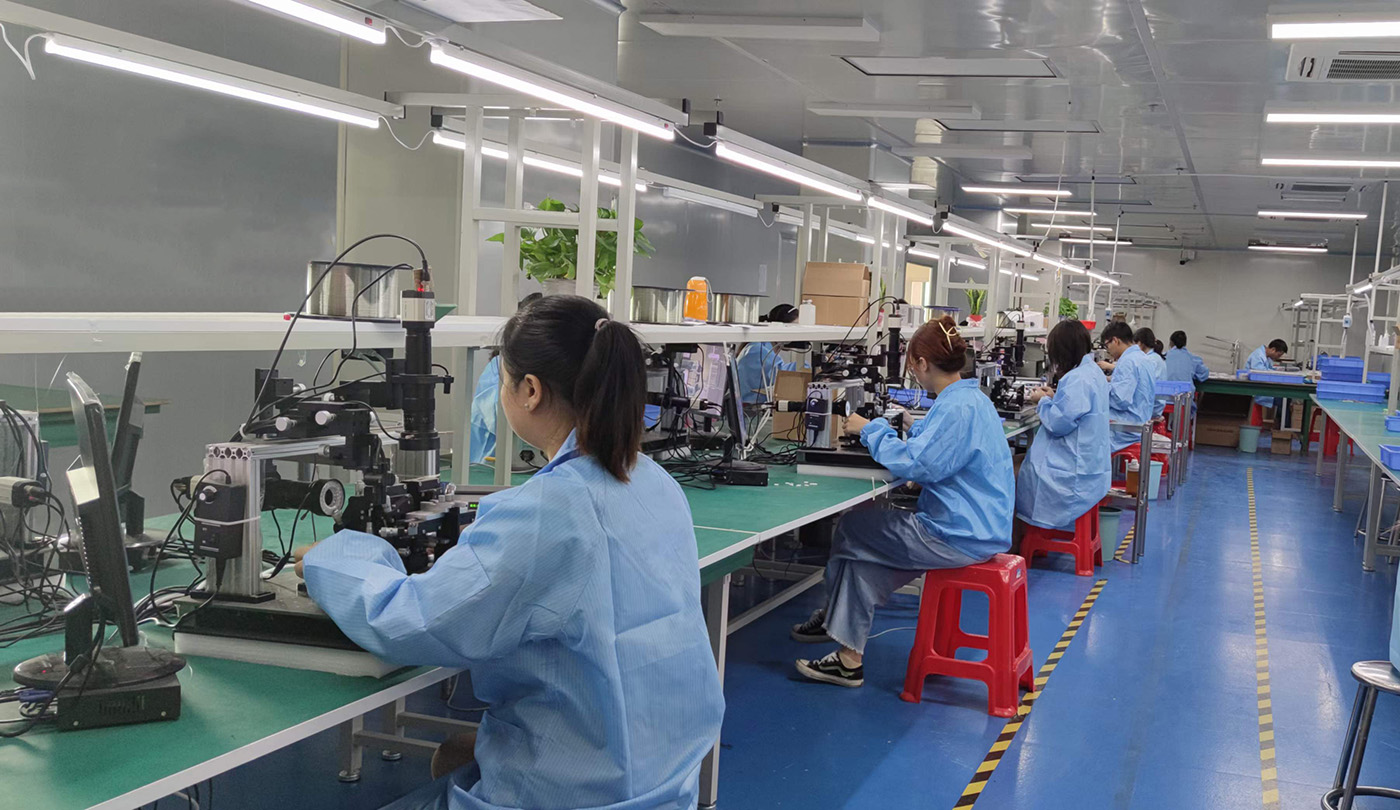
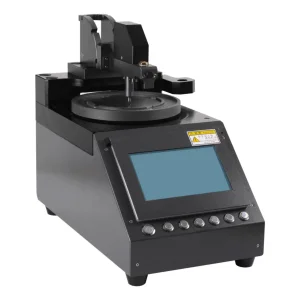
Pre-testing transceivers with specialized testing systems (such as high-precision polishing jigs and digital optical microscopes) ensures that return loss parameters exceed IEEE specifications.
Find answers to the most common engineering and procurement questions regarding 10GBASE-T RJ45 Transceiver modules.
10GBASE-T copper transceivers house a complex PHY/DSP chip inside the small SFP+ enclosure to manage complex line-equalization, echo-cancellation, and digital signal processing over copper media. This requires more energy compared to driving laser diodes in optical modules. While fiber transceivers consume under 1W, 10G copper transceivers draw between 1.5W and 2.5W, generating more heat. Choosing modern 28nm/16nm PHY designs from reputable manufacturers mitigates these thermal issues.
Yes, but with distance limitations. While Cat6A or Cat7 cabling is required to reach the standard 30-meter to 80-meter distance at full 10Gbps speeds, standard Cat6 cable can support 10G copper modules up to approximately 10 to 15 meters, depending on cable quality and electromagnetic interference (EMI) environments. For clean performance, Cat6A shielded cables (F/UTP or S/FTP) are highly recommended.
SFP+ Copper transceivers (10GBASE-T) introduce slightly more latency due to the processing overhead of the PHY chip (which manages DSP functions like PAM16 encoding and error correction). This results in about 1.5 to 2.5 microseconds of latency. In comparison, direct attach copper (DAC) cables and optical transceivers operate with latency under 0.1 microseconds. For general enterprise LANs and web servers, this difference is imperceptible; however, for high-frequency financial trading environments, fiber or DAC remain preferred.
Many brand-name switch manufacturers (such as Cisco, HP, and Juniper) use software locks that reject third-party modules without matching EEPROM signatures. Reliable manufacturers resolve this by pre-coding transceivers with custom firmware that emulates the host switch's official configuration. Sourcing modules that undergo strict testing across multiple host systems prevents ports from being disabled by switch security settings.
Most modern premium 10GBASE-T SFP+ copper modules support auto-negotiation (NBASE-T technology), allowing them to step down to 5Gbps, 2.5Gbps, or 1Gbps when connected to legacy client devices. However, some older, low-cost static 10G copper modules are locked at 10Gbps only. Verify auto-negotiation support with your manufacturer before purchasing if you need to support multi-gigabit connections.
 KOCENT OPTEC