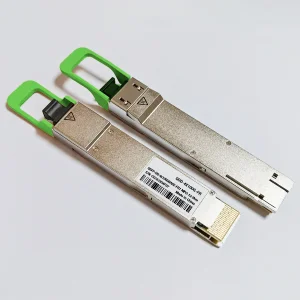
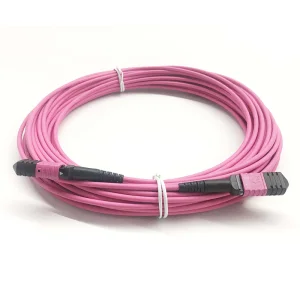
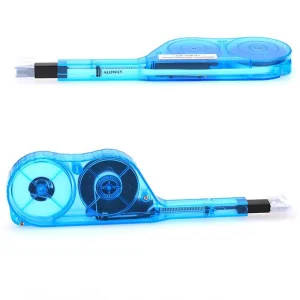
Direct supply of high-performance modules optimized for lower latency and increased capacity in core routing and cloud infrastructure.
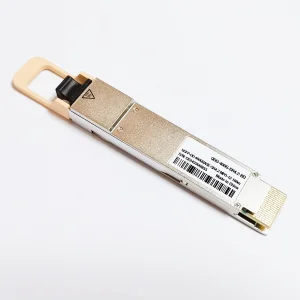
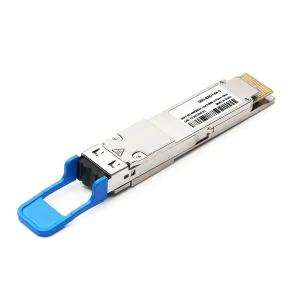
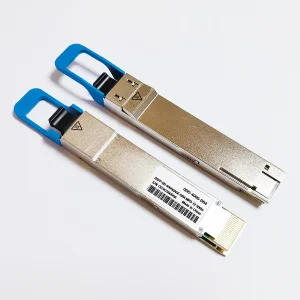
Sydney has firmly established itself as the prime hyperscale cloud hub of the Southern Hemisphere. Major tech players and international hyperscalers—including Microsoft Azure, Amazon Web Services (AWS), Google Cloud Platform (GCP), and local operators like NextDC, Equinix, AirTrunk, and Macquarie Data Centres—are aggressively scaling up their availability zones in Sydney. The driving force behind this unprecedented scale is the rapid adoption of High-Performance Computing (HPC), AI workload training, machine learning model fine-tuning, and ultra-high-definition streaming services.
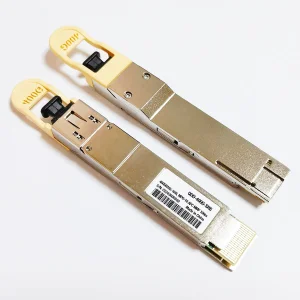
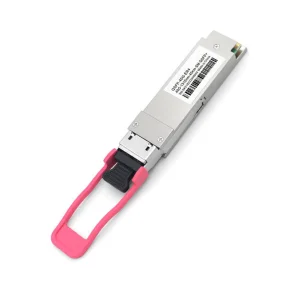
To sustain these data-intensive applications, Sydney’s network fabric is undergoing a structural shift. The older 100G optical links are proving to be bottlenecks, paving the way for the deployment of 400G QSFP-DD (Double Density) transceivers. These modules enable network architects to quadruple bandwidth density while optimizing slot efficiency in leaf-spine switches, ensuring high throughput, minimal packet loss, and sub-millisecond latencies across local zones.
Globally, the demands of generative AI models (such as GPT-based systems) have put massive stress on data center networks. While 100G was the standard for the past decade, 400G has reached maturity, with cost-per-bit parity now favoring 400G over 100G in new deployments. The industry is currently exploring the edge of 800G and 1.6T systems, yet 400G QSFP remains the sweet spot for structural stability, thermal compliance, and ROI.
Technical advancements such as Silicon Photonics (SiPh) and Co-Packaged Optics (CPO) are transforming optical module production. Silicon Photonics integrates optical transmitters onto a silicon substrate, substantially reducing manufacture complexity, footprint, and power dissipation. Modules like KCO-QDD-400G-DR4 offer high-density connectivity across 500 meters by utilizing silicon photonic dies, lowering total cost of ownership (TCO) for massive hyperscale builds.
Deploying state-of-the-art optical networks in Sydney demands high capital expenditure. By sourcing directly from established factories in China, telecommunication engineering groups and enterprises bypass multiple middleman markups while securing premium-tier components.
China's optical manufacturing cluster in Shenzhen and Wuhan benefits from an unmatched supply chain ecosystem. From laser diode packaging (EML and DML technology) to precision optical sub-assemblies (OSA) and automated high-temperature test beds, Chinese factories produce under economies of scale that cannot be replicated elsewhere.
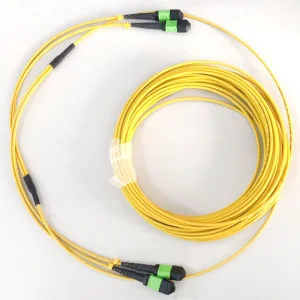
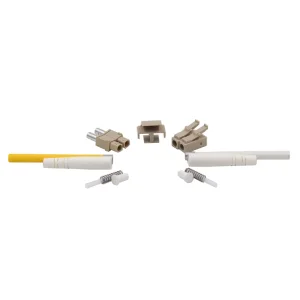
At Kocent Optec Limited, we fuse this manufacturing efficiency with stringent international standards. Every transceiver—whether it's a 400GBASE-SR4.2 or a specialized Single Mode Patch Cable—undergoes comprehensive loopback, eye-diagram, and platform compatibility testing before dispatching to Australia.
A trusted global manufacturer of passive and active fiber optic termination systems.
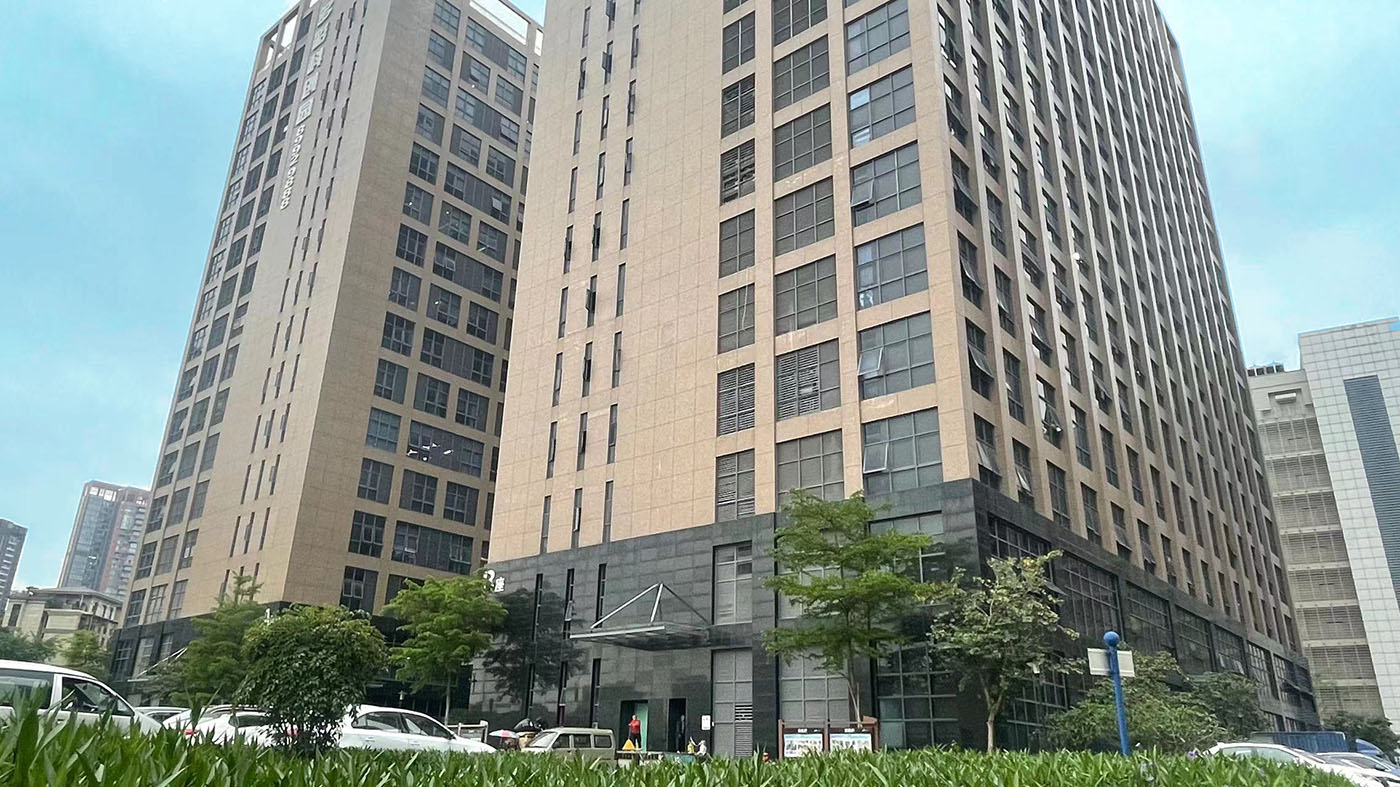
Kocent Optec Limited was established in 2012 in Hong Kong as a hi-tech communication enterprise. Today, we stand as one of China's leading fiber optic termination product manufacturers and optical solution providers. We are dedicated to developing and manufacturing fiber optic communication products ranging from passive components to active optical transceivers for telecommunication networks, enterprise infrastructures, and modern hyperscale data centers.
By leveraging our extensive experience and excellent production capacity gained over the years, we magnify the outcome for our valuable customers, which ultimately expands their core competencies and helps them outperform competitors. We place emphasis on deep customer collaboration, and we define ourselves as your valuable partner in fiber optic connection solutions.

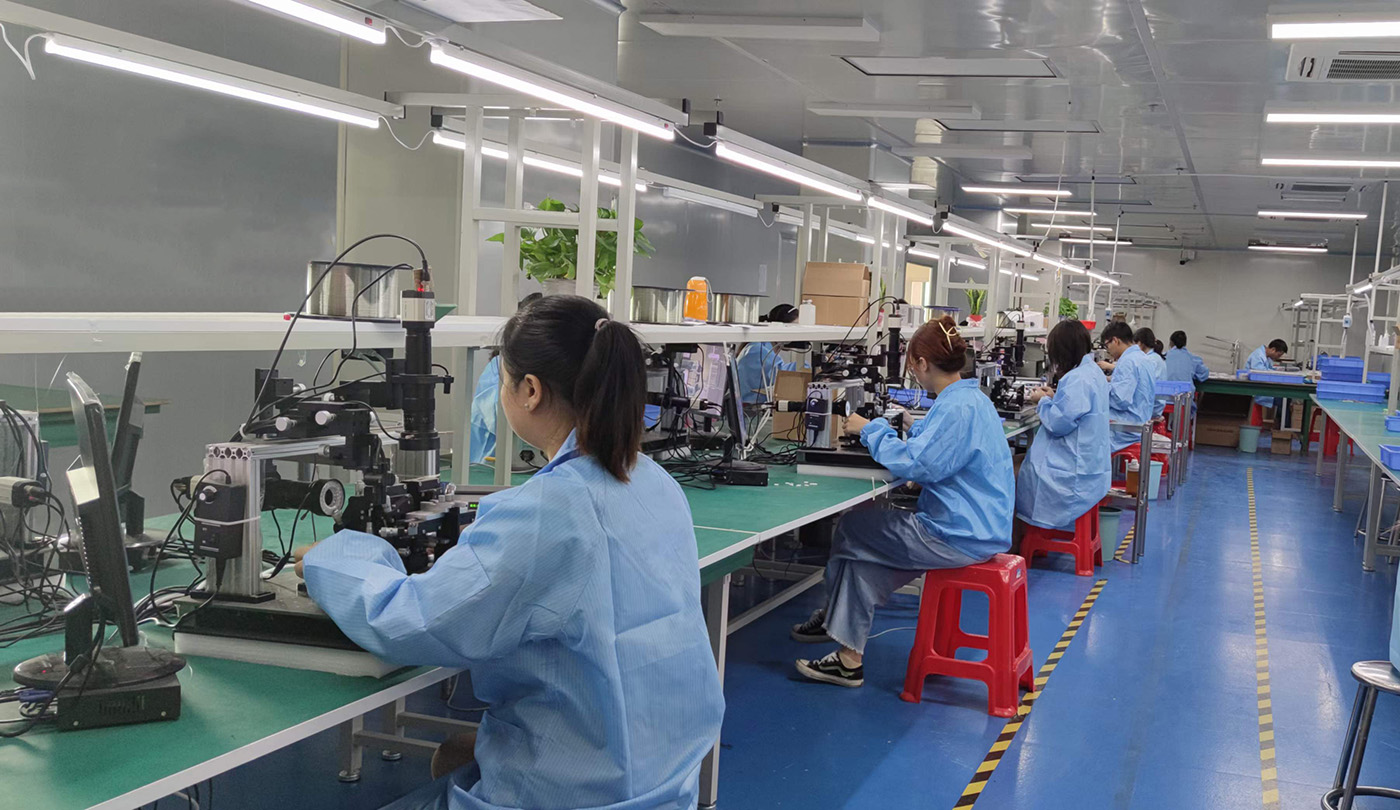
With more than 13 years of experience in manufacturing telecommunication fiber optic products, we strictly follow international fiber optic industry standards (including Telcordia GR-326-CORE). We utilize mature scientific methods to deliver your projects on time and ensure that 100% of our products are tested, calibrated, and inspected before shipment.
Our commitment to rigorous testing guarantees compatibility with mainstream switching systems from top OEMs (such as Cisco, Juniper, Arista, Huawei, and Dell), preventing interface mismatch issues and optimizing field deployment times for Australian engineering teams.
Years of dedicated sales and high-touch service experience have enabled us to win long-term partners from diverse global regions, spanning East Asia, Southeast Asia, the Middle East, Europe, South America, North America, and Africa. Win-win cooperation is our constant goal. Many of our OEM and ODM products have successfully won major Telecom Operator tenders and satisfy strict end-user service level agreements (SLAs).
Our main terminal telecom operators include: SingTel, Vodafone, America Movil, Telefonica, Bharti Airtel, Orange, Telenor, VimpelCom, TeliaSonera, Saudi Telecom, MTN, Viettel, Bitel, VNPT, Laos Telecom, MYTEL, Telkom, Telekom, Entel, FiberTel, StarFiber, Ooredoo, Beeline, Azercell.
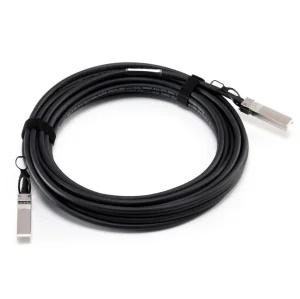
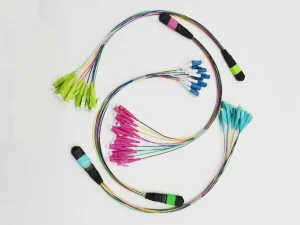
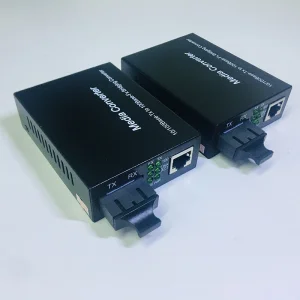
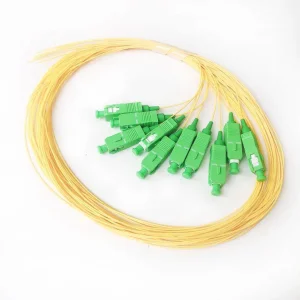
Essential cabling, media converters, patch cables, and legacy transceivers for enterprise networks and data centers.
Purchasing optical infrastructure components for major enterprise installations requires looking beyond pricing to focus heavily on performance guarantees, component supply chains, and testing validation. Below is a structured checklist recommended by senior network engineers for procurement managers sourcing 400G transceivers:
Modern data centers are rarely single-vendor environments. Switches from Cisco, Arista, Juniper, and Edgecore may operate on the same fiber fabric. Reliable transceiver manufacturers must offer customized EEPROM programming to ensure modules bypass proprietary vendor locks and operate natively without throwing ports into error states.
A major design bottleneck for 400G QSFP-DD is heat. Generating up to 12 Watts per module, dense line cards populated with 36 ports can experience significant thermal load. Excellent manufacturers utilize advanced heat sinks, optimized structural housings, and low-power optoelectronic dies to limit heat output to less than 10 Watts per module, ensuring continuous uptime in hot-aisle containment systems.
Procuring modules that strictly adhere to IEEE 802.3bs and QSFP-DD MSA guidelines guarantees mechanical form-factor fit, electrical interface matching, and diagnostic monitoring (DDM/DOM) consistency. Standardizing on MSA-compliant devices ensures future-proofing as networks upgrade from 400G to 800G.
Essential technical insight regarding high-speed optical modules and network deployment.
Get customized quotes, bulk order pricing, and expert design consultations directly from Kocent Optec's engineering division.
 KOCENT OPTEC