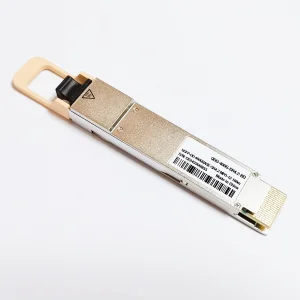
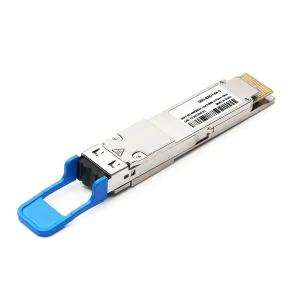
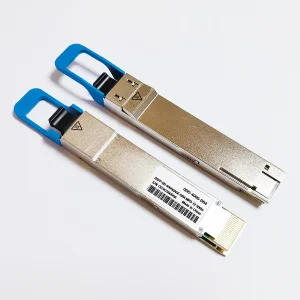
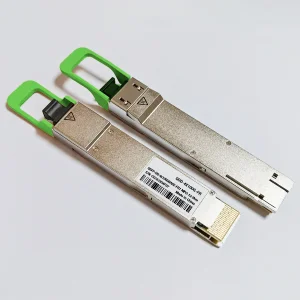
Explore our premium 400G QSFP-DD transceiver family, engineered for direct compatibility with Melbourne's core optical network nodes, metro loops, and hyperscale environments.
As Victoria's digital infrastructure accelerates, Melbourne has emerged as a premier gateway for hyperscale computing, AI research clusters, and subsea cable connectivity. From the bustling tech hubs of Cremorne and Docklands to the industrial-scale data center corridors in Derrimut, Truganina, and Port Melbourne, the demand for optical bandwidth has grown exponentially. In this landscape, legacy 10G and 100G architectures are quickly saturated, prompting network engineers to seek robust 400G and 800G options to maintain carrier SLA standards.
Melbourne’s local industrial landscape is uniquely demanding. High ambient summer temperatures, strict energy-efficiency mandates, and the rising cost of physical rack space require transceivers that do not just perform at 400Gbps, but do so with minimal power dissipation and high reliability. A typical enterprise switch deployment in Melbourne requires modules certified for tight-tolerance optical power budgets, low insertion loss, and seamless interoperability across heterogeneous vendor environments, including Cisco, Arista, Juniper, and Mellanox platforms.
The transition from NRZ (Non-Return-to-Zero) modulation to 4-Level Pulse Amplitude Modulation (PAM4) is the defining technical leap of 400G networks. By carrying two bits per clock cycle instead of one, PAM4 doubles the throughput within the same physical lane width. However, it introduces susceptibility to noise and attenuation, requiring sophisticated Digital Signal Processors (DSP) and Forward Error Correction (FEC) modules inside the transceiver package.
QSFP Double Density (QSFP-DD) remains the dominant form factor for modern cloud scale upgrades. By offering an 8-lane electrical interface, it retains backward compatibility with QSFP+ and QSFP28 cages, protecting current hardware investments in Melbourne's data networks while enabling a 4x density improvement. The thermal management of QSFP-DD has been optimized to handle module power consumptions of up to 12W, with integrated heat fins and structural airflow slots designed in cooperation with top OEM switch manufacturers.
As networks advance, our manufacturing pipeline is aligned with the next phases of optical physics:
Kocent Optec Limited, established in 2012 in Hong Kong as a high-tech communication enterprise, is one of China's leading fiber optic termination product manufacturers and solution providers.
We are dedicated to developing and manufacturing high-performance fiber optic communication products ranging from passive components to active optical transceivers for telecommunication networks, enterprise networks, and cloud data centers worldwide.

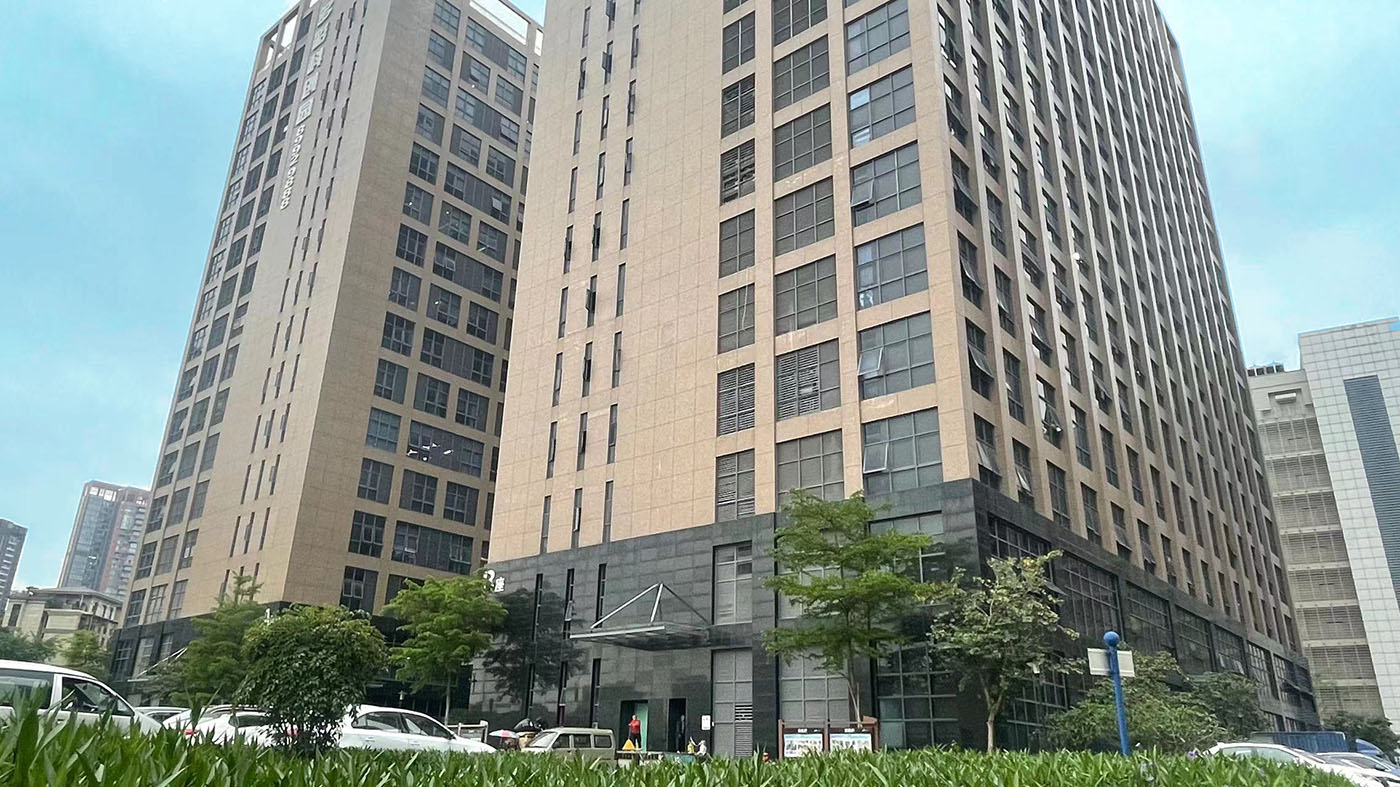
By leveraging our extensive manufacturing experience and production capacity gained over the years, we magnify value for our customers, expanding their core competencies and helping them outperform competitors. We focus on customer collaboration and define ourselves as a long-term partner in fiber optic connection solutions.
With more than 13 years of experience in manufacturing telecommunication fiber optic products, we strictly follow global optical standards. We utilize mature scientific testing methods to deliver your products on schedule, ensuring that 100% of products are tested, inspected, and verified before shipment.
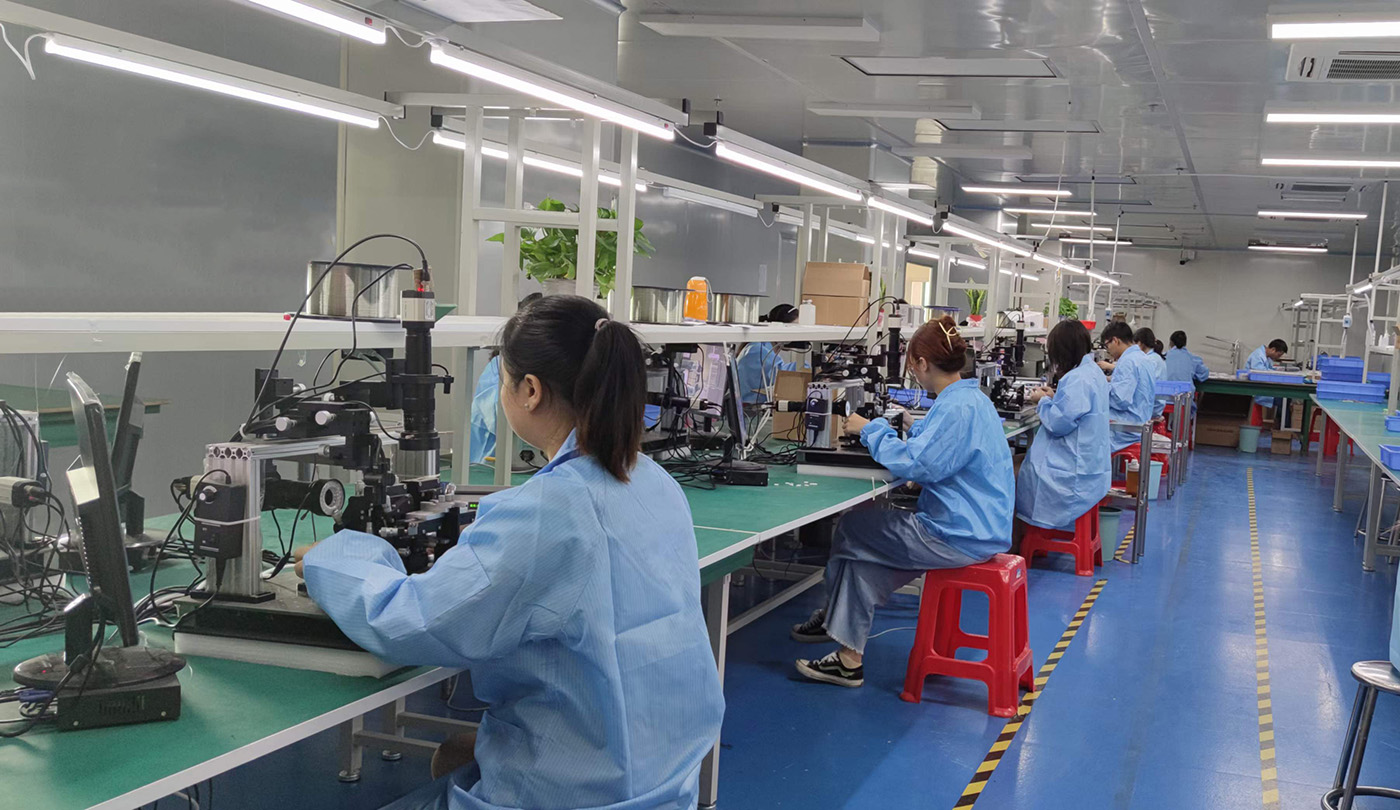
Years of sales and service experience have enabled us to build trust with customers from different regions. Today, we supply clients across East Asia, Southeast Asia, the Middle East, Eastern Europe, Western Europe, Northern Europe, South America, North America, North Africa, and South Africa.
Win-win cooperation is our constant goal. Many of our OEM and ODM products have won Telecom Operator tenders and satisfy strict end-user requirements. Our terminal telecom operator ecosystem includes:
Procuring raw telecom components from Kocent Optec's Chinese facilities grants distinct competitive advantages for Australian infrastructure builds. By combining high-density Shenzhen/Hong Kong automated assembly lines with direct, duty-optimized air-freight routes to Tullamarine Airport, we minimize lead times to Melbourne.
Our raw material procurement contracts and mass economies of scale allow us to offer products at competitive rates compared to local middlemen. We pass these cost savings directly to data center planners, reducing Capital Expenditure (CAPEX) for large-scale fiber overbuilds.
Every active and passive product undergoes strict validation protocols before leaving our floor:
Whether you require custom length fiber patches or specialized firmware configurations for legacy Cisco or Juniper networks in Melbourne, our engineering team can adapt designs quickly. With standard products in stock, we offer reliable delivery times to support your tight deployment schedules.
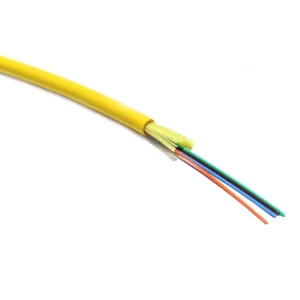
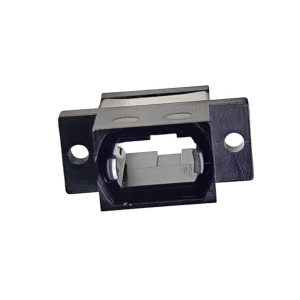
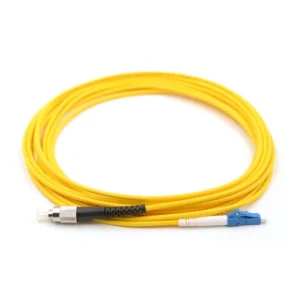
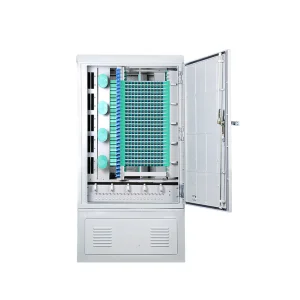
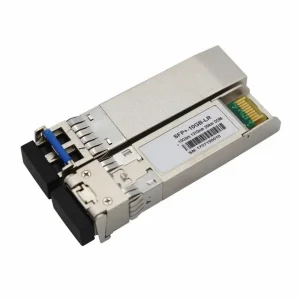
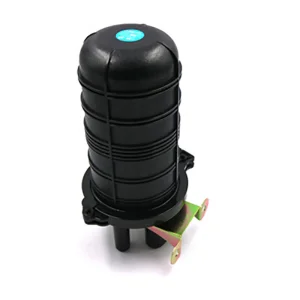
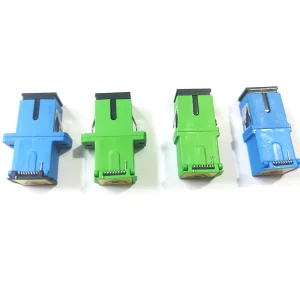
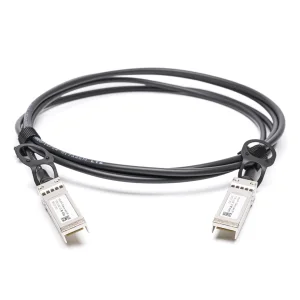
Below is our extended catalog, incorporating high-density 400G transceivers, active breakout cables, passive cabling systems, adapters, and connection enclosures configured for Melbourne network setups.
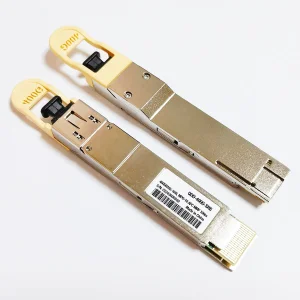
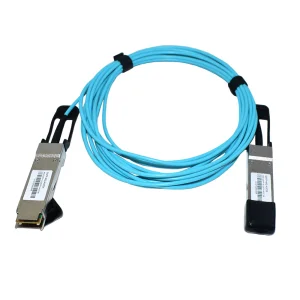
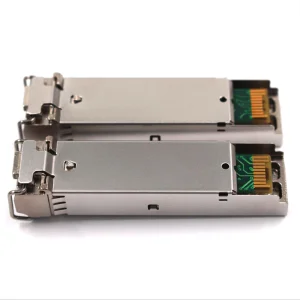
Deploying 400G systems into enterprise networks requires strict compliance with international and local standards. Hardware supplied by Kocent Optec is designed and certified to ensure compatibility and network security:
Our transceivers feature customized EEPROM configurations to match the hardware requirements of major brands. Prior to shipping to Melbourne, each transceiver is programmed and tested with the specific firmware profile of your switches and routers, preventing common configuration issues on site.
For items currently in stock, processing takes 1-2 business days. Direct express air shipping from our Hong Kong logistics hub to Melbourne (Tullamarine) typically takes 3-5 business days. Custom configurations or OEM products may require additional production time, which will be confirmed during ordering.
We maintain an extensive testing library containing hardware from major vendors (such as Cisco, Arista, Juniper, HP, and Mellanox). By programming the transceiver’s EEPROM with vendor-specific configurations, we ensure the module is recognized correctly by the switch OS, enabling full DOM support and avoiding error alerts.
QSFP-DD SR8 uses 8 fiber channels, each operating at 50Gbps PAM4, requiring an MPO-16 interface. SR4.2 (BiDi) uses 4 bidirectional channels operating at two different wavelengths (850nm and 910nm), allowing 400G throughput over standard MPO-12 MMF fiber. This makes SR4.2 an efficient choice for upgrading existing 100G fiber runs to 400G without changing the patch cables.
High temperatures can degrade laser performance and increase the bit error rate (BER). Kocent Optec transceivers feature built-in temperature sensors and real-time DOM monitoring to ensure safe operation. In warm environments, we recommend optimizing rack airflow and using our active cooling-compatible transceiver designs.
Contact our team for wholesale pricing, custom configurations, and carrier-grade optical solutions tailored for your infrastructure.
Send Inquiry Now ⚡ KOCENT OPTEC