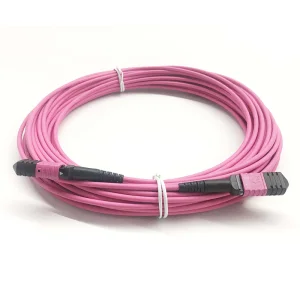
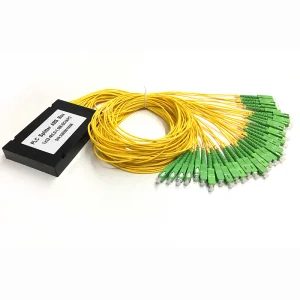
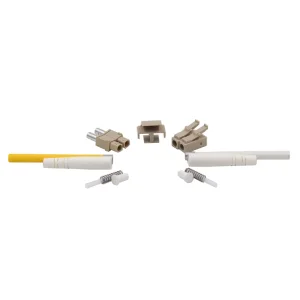
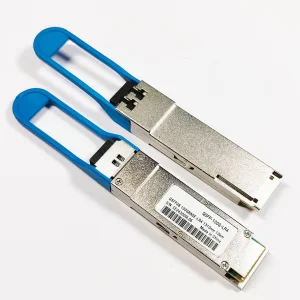
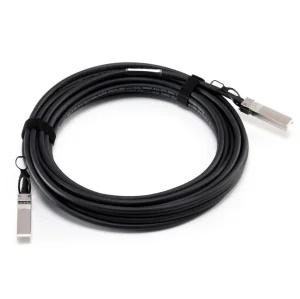
Browse our top-tier active optical transceivers and high-performance simplex/duplex cabling assemblies optimized for next-generation telecom networks.
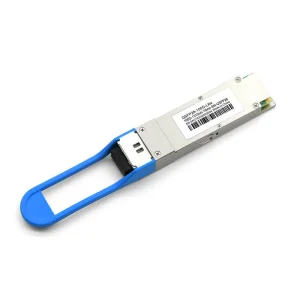
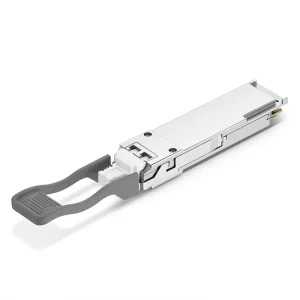
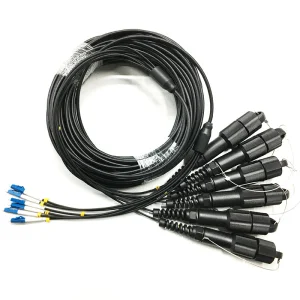
As modern hyperscale data centers, high-performance computing clusters, and high-frequency trading platforms adapt to higher-speed protocols, the design of physical connectivity layers must undergo drastic optimization. A Duplex Fiber Patch Cable represents the cornerstone of standard bidirectional, full-duplex communication networks, featuring two parallel optical fibers (usually classified as transmit [TX] and receive [RX]) operating synchronously to deliver continuous transmission flows.
Choosing an experienced ODM/OEM partner for duplex fiber assembly ensures the customization parameters, performance standards, and component scaling correspond directly to specific network needs. High-quality single-mode (OS2) and multimode (OM3/OM4/OM5) configurations demand tight control of physical-endface geometries, insertion loss (IL) values, and back-reflection tolerances (return loss) to prevent critical system failures during dense operational workloads.
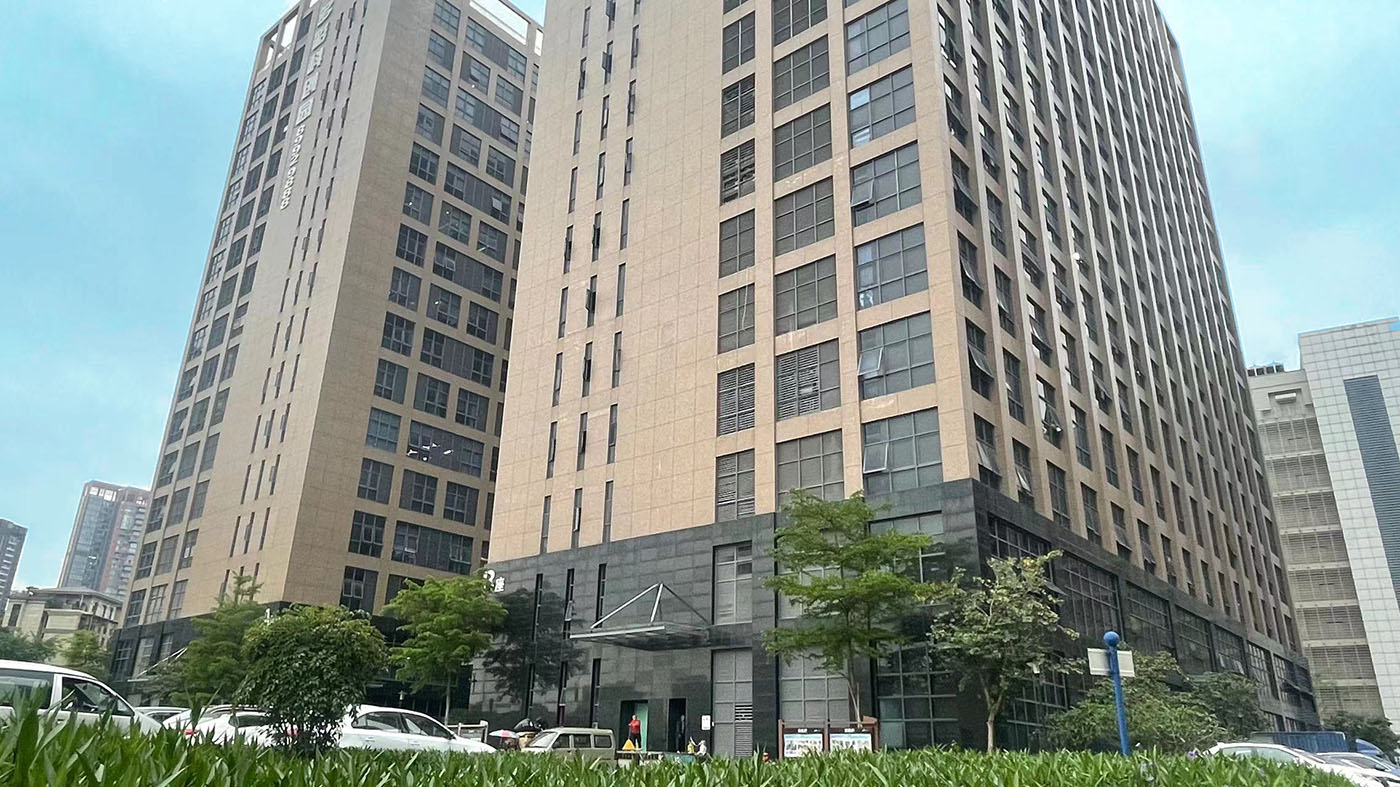

Establish in 2012 in Hongkong as a hi-tech communication enterprise, Kocent Optec Limited is one of China's leading fiber optic termination product manufacturer and solution provider.
We're dedicated to developing and manufacturing fiber optic communication products ranging from passive to active categories for telecommunication networks, enterprise networks and data centers. By leveraging our extensive experience and excellent production capacity we gained over the years, we magnify the outcome for our valuable customers, which ultimately expands their core competencies and helps them outperform competitors.
We place emphasis on customer collaboration, and we define ourselves as your valuable partner in fiber optic connection solutions. We believe our differentiators are your perceived advantages. With more than 13 years of experience in manufacturing telecommunication fiber optic products, we follow strictly fiber optic industry standards by using mature scientific methods to deliver your products on time and ensure that 100% products are tested and inspected before shipment.
Years of sales and service experience have enabled us to win customers from different regions. Today, we have customers from East Asia, Southeast Asia, Middle East, Eastern Europe, Western Europe, Northern Europe, South America, North America, North Africa, and South Africa.
Win-win cooperation is our constant goal. Many of our OEM and ODM products won the Telecom Operator tender and satisfy end-user requests. Our main terminal telecom operators include:
Selecting the correct optical medium represents the foundational step in designing future-proof structured cabling. As optical transceivers migrate from 10G/25G LC Duplex pathways up to high-density 100G, 400G, and 800G multi-wavelength ecosystems (such as SWDM4, BiDi, and PAM4 modules), properties such as chromatic dispersion, modal bandwidth, and fiber jacket ratings govern structural durability.
| Fiber Specification | Core/Cladding Dia. | Typical Attenuation | Max Transmission Distance (10G/40G/100G) | Optimized Applications |
|---|---|---|---|---|
| OS2 Single-Mode | 9/125 μm | ≤ 0.35 dB/km @ 1310nm | 10km to 40km (and above) | Long-haul networks, WDM setups, campus backbones, and coherent data center links. |
| OM3 Multimode | 50/125 μm | ≤ 2.8 dB/km @ 850nm | 300m (10G) / 100m (40G/100G) | Legacy short-range connections and entry-level enterprise server racks. |
| OM4 Multimode | 50/125 μm | ≤ 2.7 dB/km @ 850nm | 400m (10G) / 150m (40G/100G) | Hyperscale intra-rack interconnects and main distribution centers. |
| OM5 Multimode | 50/125 μm | ≤ 2.5 dB/km @ 850-953nm | 440m (10G) / 150m (SWDM4 100G) | Multi-wavelength SWDM setups, high-density AI clusters, and ultra-high bandwidth lanes. |
For custom ODM projects, jacket performance dictates regulatory approval and safety validation. Kocent Optec ensures full integration of physical compounds tailored to local fire ordinances:
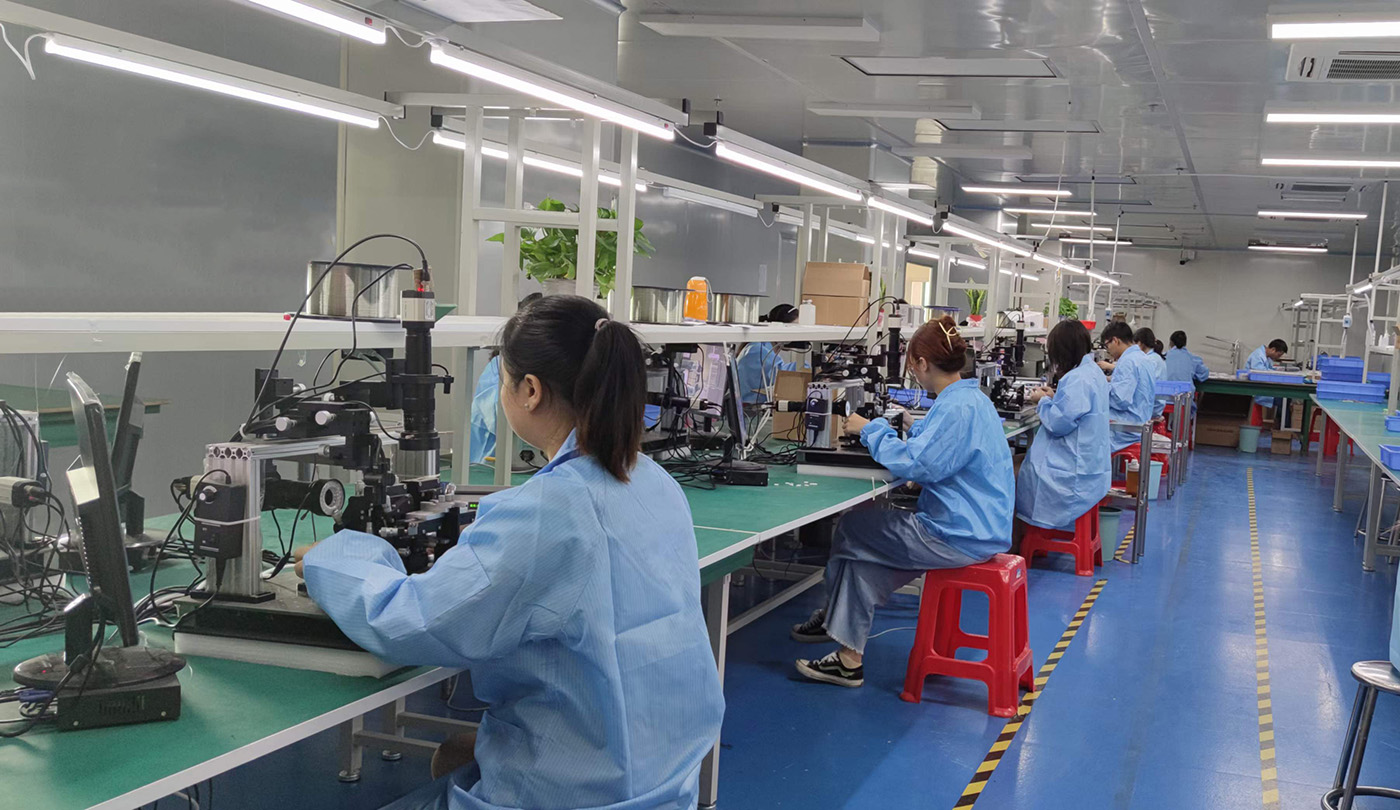
Modern applications require customized termination profiles depending on structural exposure, physical configuration, and spatial density. The following represent core macro solutions deployed by Kocent Optec across major telecom operators and webscale networks.
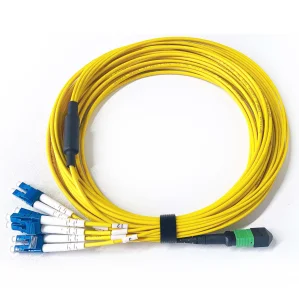
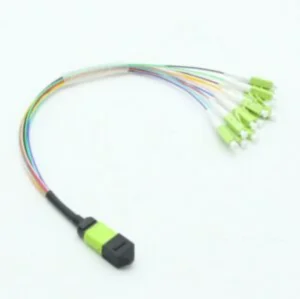
Deploying ultra-low loss (ULL) LC Duplex and high-density MTP/MPO fanout cables inside spine-and-leaf switches. We minimize attenuation to support PAM4 modulated signals, mitigating bit error rates (BER).
For base station connections (BBU to RRU), we supply specialized PDLC outdoor armored patch cables. Engineered with ingress protection (IP67) to withstand moisture, high UV exposure, and broad thermal swings.
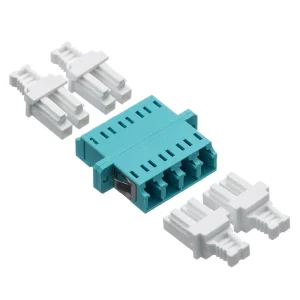
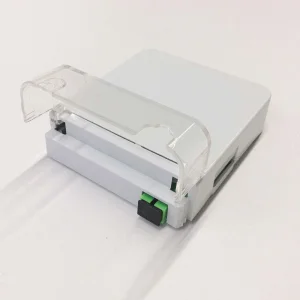
Providing custom PLC Splitters, fiber terminal wall sockets, and compact SC/LC adapters to simplify distribution panels. Ideal for network operators managing deep fiber deployments under tight localized budgets.
Get immediate answers to the standard technical queries submitted by network architects, procurement experts, and data center engineers.
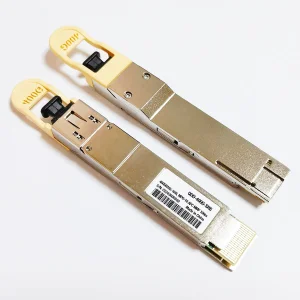
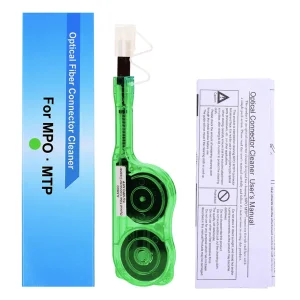
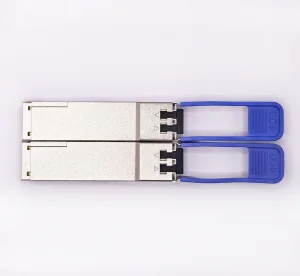
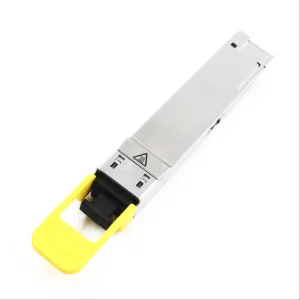
Discover our range of active transceiver interfaces, high-density distribution splitters, components, and cleaning instruments for continuous network integrity.
 KOCENT OPTEC