
Modern telecommunication structures demand an exponential increase in bandwidth capability. Within hyperscale data centers, enterprise server complexes, and metro carrier distribution points, space limits dictate that physical footprint size must be optimized. The transition to high-density solutions like 24-fiber arrays is no longer a luxury—it is an architectural requirement.
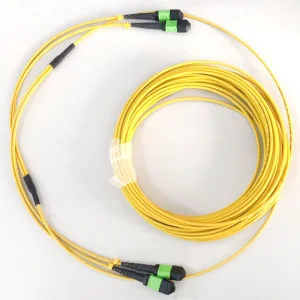
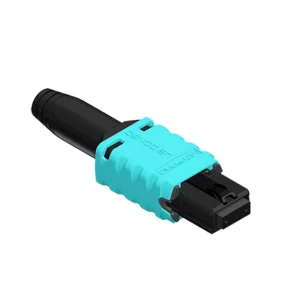
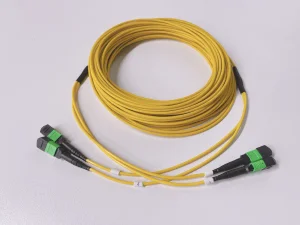
By packaging 24 individual optical fibers into a single consolidated jacket, networks can maximize the capacity of existing duct spaces. When terminated with advanced multi-fiber push-on (MPO/MTP) connectors, a 24-fiber assembly reduces installation and deployment complexity by replacing twenty-four individual single-fiber connectors (such as SC or LC) with a single, high-precision connection point. This design mitigates the risk of cable congestion, improves airflow in critical hot-aisle containment systems, and simplifies cable management paths.
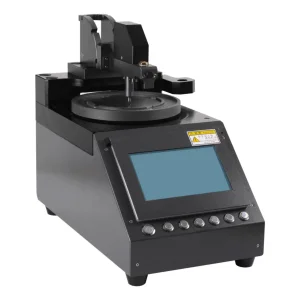
Operating a 24-fiber MPO link requires precise connector face alignment. The margin of error is extremely small; even sub-micron misalignments across the 24 fibers can cause major insertion loss (IL) and return loss (RL) issues. Top-tier manufacturers like Kocent Optec Limited address this by utilizing advanced MT (Mechanically Transferable) ferrules combined with high-precision mechanical polishing machinery, including specialized MPO/MTP polishing systems.
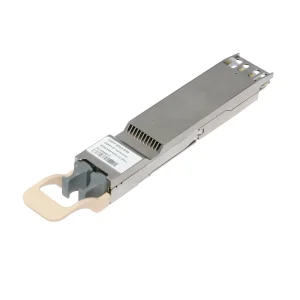
By strict adherence to Telecordia GR-326-CORE and IEC 61755 standards, factories can control parameters such as fiber protrusion height, core-to-cladding concentricity, and end-face geometry. These control measures ensure that when 24-fiber trunks interface with active optical modules (transceivers) or high-density distribution frames, the signal remains clean across all 24 optical pathways.
The manufacturing ecosystem for high-precision fiber optics in China offers unique scale, integration, and engineering agility. However, achieving high performance requires more than just raw scale; it demands strict adherence to rigorous quality standards and access to premium components.
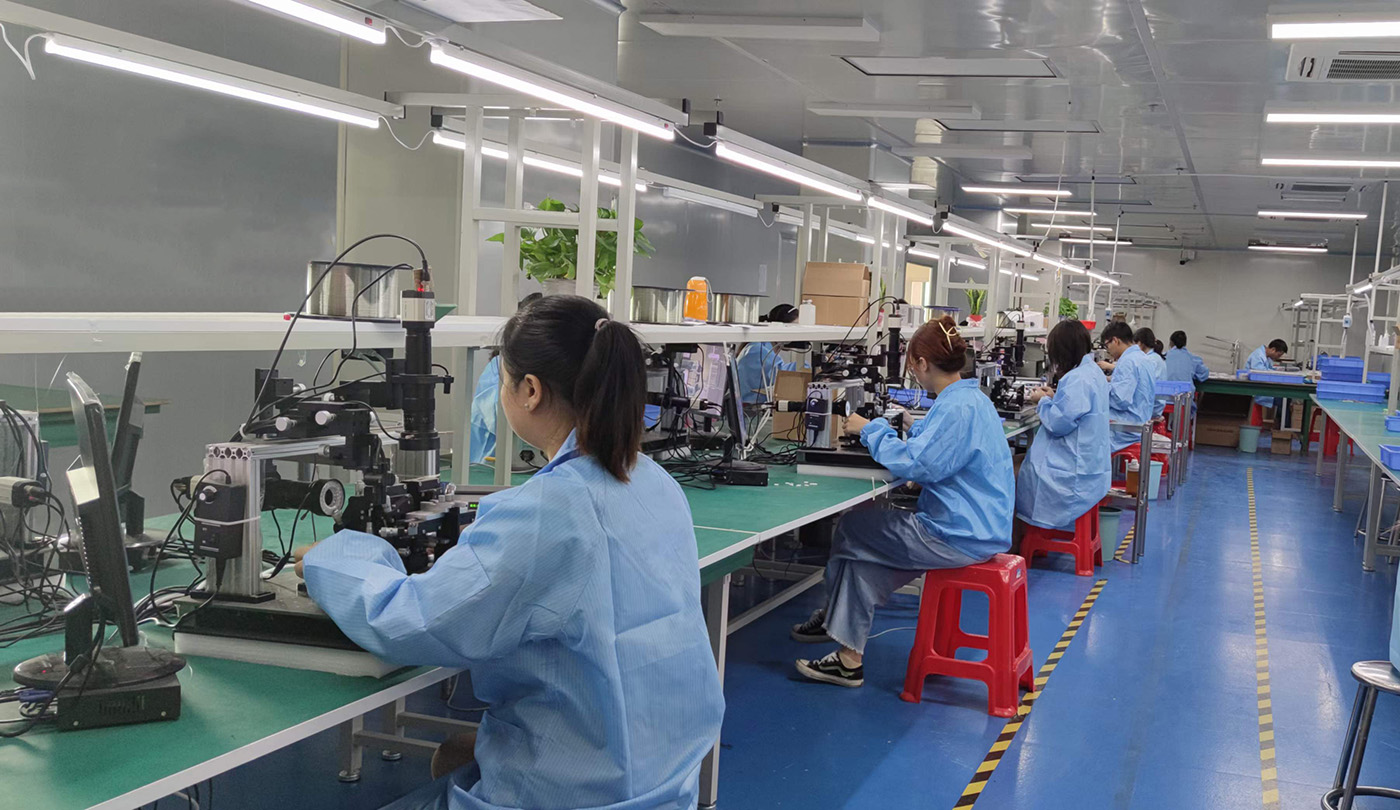
Top-tier Chinese factories operate in integrated manufacturing clusters. This proximity allows for the seamless sourcing of everything from raw silica glass preforms and specialized LSZH outer sheathing compounds to high-quality US Conec MT ferrules. By co-locating engineering, assembly, and testing lines, manufacturers can shorten lead times from months to weeks.
For global procurement managers, this integration translates into reduced costs without sacrificing performance. When scaling up networks for FTTH deployments or hyperscale data centers, sourcing directly from factories like Kocent Optec Limited enables customization of fan-out lengths, jacket colors, and fiber types (e.g., Corning ClearCurve G.657.A1 bend-insensitive fiber) to match project-specific needs.

Under the guidelines of international QA standards, quality controls are integrated into every stage of production, rather than applied only at the end. Reliable factories implement testing protocols that include:
When selecting 24-fiber optic trunk lines or patch cables, project planners must ensure the products comply with the local building regulations and safety standards of the target region. Sourcing cables with incorrect safety ratings can cause projects to fail building inspections, leading to costly delays.

For installations in the United States and Canada, the National Electrical Code (NEC) governs safety ratings. For air handling spaces, cables must have an OFNP (Optical Fiber Nonconductive Plenum) rating to ensure they self-extinguish and emit minimal smoke. Vertical shafts require OFNR (Optical Fiber Nonconductive Riser) rated cables.
In Europe, the Construction Products Regulation (CPR) establishes safety classifications (ranging from B2ca down to Eca). European installations generally require LSZH (Low Smoke Zero Halogen) jacket compounds to prevent the release of toxic acid gases during a fire. A reliable global manufacturer must offer customized jacket compound designs that meet these regional regulatory requirements.
Network requirements are transitioning from 10G and 40G structures to 400G, 800G, and higher transmission speeds. The infrastructure selected today must be capable of supporting these bandwidth requirements over its operating lifespan.
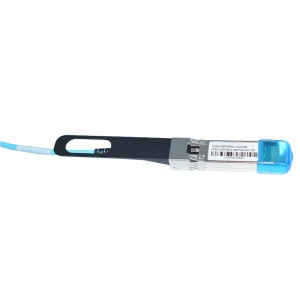
Modern high-speed QSFP-DD, OSFP, and future transceivers rely on parallel optics, where signals are split across multiple fiber strands. For example, 400G SR8 modules use 8 pairs of fiber (16 fibers total) to transmit data using PAM4 modulation. Using a 24-fiber MPO/MTP configuration allows operators to support these high-speed links over a single physical connector, with spare fiber capacity to accommodate future upgrades.
Furthermore, adopting wideband multimode OM5 fibers or low-loss OS2 single-mode fibers within 24-fiber arrays helps mitigate dispersion issues at high transmission speeds, ensuring clean signal paths across the entire physical network layout.
Established in 2012 in Hong Kong as a hi-tech communication enterprise, Kocent Optec Limited has grown into one of China's leading fiber optic termination product manufacturers and solution providers. We are dedicated to developing and manufacturing high-performance fiber optic communication products, ranging from passive components to active optical transceivers, designed for telecommunication networks, enterprise networks, and advanced data centers.
By leveraging our extensive engineering experience and modern production capacity, we deliver high-quality solutions that support our customers' core operations. We prioritize direct collaboration with our clients, acting as a technical partner to develop specialized fiber connection solutions tailored to their needs.
With more than 13 years of experience in telecommunication manufacturing, we adhere to strict international fiber optic standards. We utilize structured scientific testing and verification procedures to ensure that 100% of our products are fully inspected and tested prior to shipment, ensuring reliable performance upon installation.
Our sales and service experience has helped us establish a global customer base. Today, we supply components to operators and enterprise networks in East Asia, Southeast Asia, the Middle East, Eastern Europe, Western Europe, Northern Europe, South America, North America, North Africa, and South Africa.
We work to build long-term, collaborative relationships. Many of our OEM and ODM products have been selected in telecom operator tenders and meet the performance requirements of network operators worldwide.
 KOCENT OPTEC