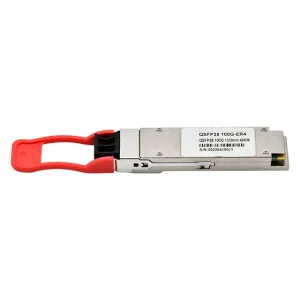
Expertly Manufactured Components Delivering Low Insertion Loss & Premium Optical Alignment
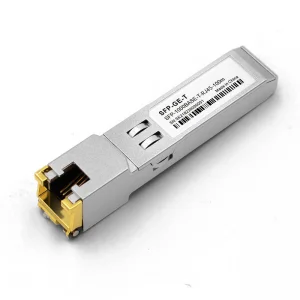
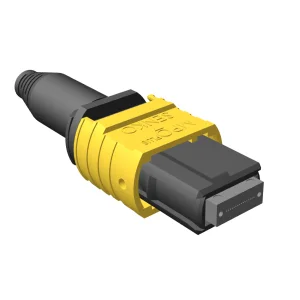
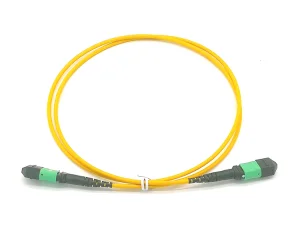
The Backbone of Enterprise Data Networks, High-Speed Computing Clusters, and FTTH Ecosystems
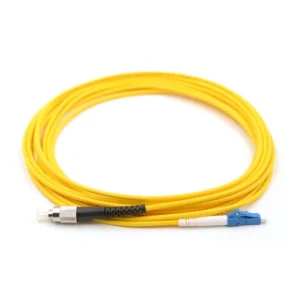
In the modern era of hyper-scale data transmission, artificial intelligence (AI) computational clusters, and the rapid deployment of 5G infrastructure, the physical layer remains the most critical foundation. Among the myriad components enabling optical networking, the Duplex Fiber Patch Cord stands out as a fundamental building block. Featuring two dedicated optical fibers inside a single jacket—typically terminated with dual-connector formats such as LC, SC, or ST—duplex patch cords facilitate simultaneous bi-directional, transmit-and-receive (Tx/Rx) data paths.
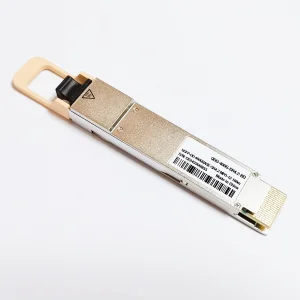
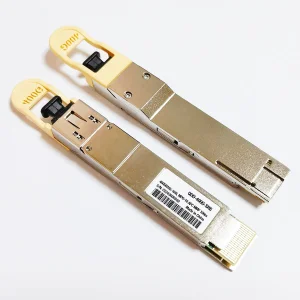
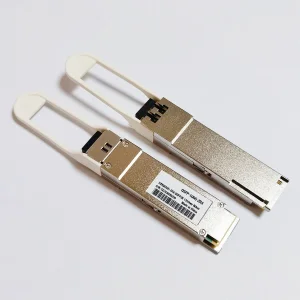
The commercial demands for these assemblies have scaled exponentially. Globally, optical distribution networks (ODN) rely heavily on duplex fiber configurations to patch connections from active high-speed transceivers (such as SFP+, QSFP28, and QSFP-DD) to optical fiber patch panels, rack mounts, and terminal units.
As international businesses shift toward hybrid cloud environments, the necessity for robust, low-attenuation cabling has highlighted the importance of choosing premium-grade components. Small form factor (SFF) duplex LC fiber patch cords are highly favored in dense rack environments due to their ability to maximize packing density. Simultaneously, duplex SC patch cords continue to serve as the benchmark for telecommunication cabinets and passive optical network (PON) terminal locations worldwide.
How Modern Chinese Fabrication Plants Standardize High-Volume Output Under Strict Budgets
When industry professionals search for "cheap Duplex Fiber Patch Cord factories", the term "cheap" must not be misconstrued as low quality. Instead, in the context of China's advanced optical telecommunication hubs, it refers to structural cost-efficiency, automated scale, and vertical integration.
Chinese fiber optic factories have transitioned from manual, labor-intensive termination shops to highly automated, digital fabrication facilities. This technological leap allows factories to scale output while maintaining microscopic precision.
Direct sourcing of high-purity zirconia ceramic ferrules, LSZH compounding, and draw-tower optical glass reduces intermediate costs by up to 35% compared to regional assemblers.
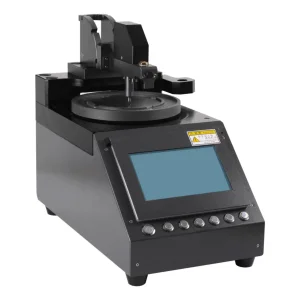
Using advanced multi-stage polishing equipment (such as the KCO-PM-MPO-06 system) ensures geometry and end-face flatness conform precisely to IEC standards on a massive scale.
Every single optical patch cord undergoes dual-wavelength insertion loss (IL) and return loss (RL) validation, alongside 3D geometric interferometry testing prior to packaging.
Furthermore, major Chinese manufacturing clusters benefit from robust regional supply chains. The physical proximity of chemical compounders, component manufacturers, and logistics hubs reduces domestic transit times, allowing factories to ship high-volume orders globally with minimal lead times. This structural advantage translates directly into the competitive wholesale pricelists offered to telecommunication operators, data center infrastructure providers, and system integrators.
Ensure Long-term Reliability of Physical Connections by Analyzing Essential Component Parameters
To maintain high reliability, procurement managers and network architects must specify patch cords based on concrete performance metrics rather than initial cost alone. A true understanding of E-E-A-T principles in fiber optics dictates that we detail the exact physical characteristics that distinguish telecom-grade cables from sub-par iterations:
| Parameter Category | Telecom-Grade Standard (Premium) | Commercial-Grade Standard (Budget) | Diagnostic Test Protocol |
|---|---|---|---|
| Insertion Loss (IL) | ≤ 0.15 dB (Typical); ≤ 0.20 dB (Max) | ≤ 0.30 dB | IEC 61300-3-4 (Dual wavelength) |
| Return Loss (RL) | UPC: ≥ 50 dB; APC: ≥ 60 dB; MM: ≥ 30 dB | UPC: ≥ 45 dB; APC: ≥ 55 dB | IEC 61300-3-6 |
| Ferrule Material | High-Purity Zirconia Ceramic | Composite or standard ceramic | X-Ray / Microscopic inspection |
| Fiber Glass Type | Corning G.652.D / G.657.A1 (Bend Insensitive) | Generic SMF/MMF glass | Refractive Index Profiling |
| Jacket Compound | LSZH (Low Smoke Zero Halogen) / OFNP Plenum | Standard PVC | IEC 60332 flame propagation test |
Note on Bend Insensitivity: Modern high-density installations in enterprise data centers require Bend Insensitive Single Mode Fiber (BISMF) such as G.657.A1 or G.657.A2. This allows patch cords to be routed tightly within cable management guides without suffering high bending attenuation or micro-bend degradation.
13+ Years of Verified Telecommunication Manufacturing Excellence and Custom Solutions
Established in 2012 in Hong Kong as a high-tech communication enterprise, Kocent Optec Limited has grown to become one of China's premier manufacturers and turnkey solution providers of fiber optic termination products.
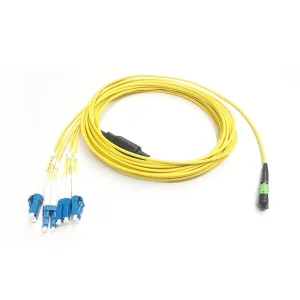
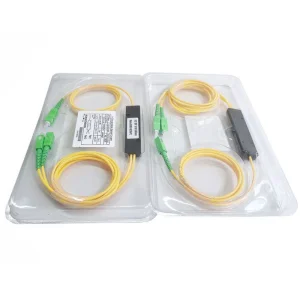
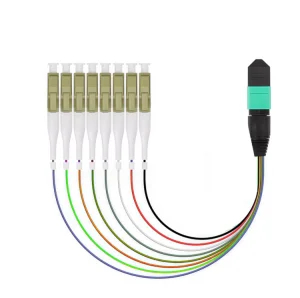
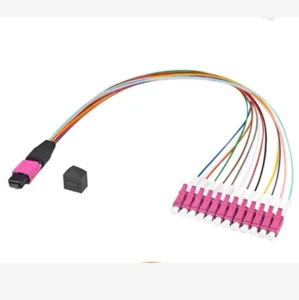
We are fully dedicated to the engineering, development, and mass production of optical fiber communication components. Our expansive product portfolio spans passive assemblies (such as custom MPO/MTP harnesses, duplex patch cords, and FBT splitters) to active components designed to interface seamlessly with modern telecommunication networks, enterprise infrastructures, and hyper-scale data centers.

By leveraging our deep manufacturing experience and scale-optimized production lines, we enhance project outcomes for our worldwide client base. This ensures that our customers expand their core market capabilities and outperform local competitors.
We place the highest emphasis on cooperative engineering and collaborative project design, defining Kocent Optec not merely as a component supplier, but as a long-term engineering partner. We believe our technical differentiators serve directly as your key advantages.

With over 13 years of strict adherence to international optical communication standards, our quality control methodologies utilize mature, scientific analysis. We maintain complete traceability for all raw materials, including connector kits, cleaning agents, and active fiber.
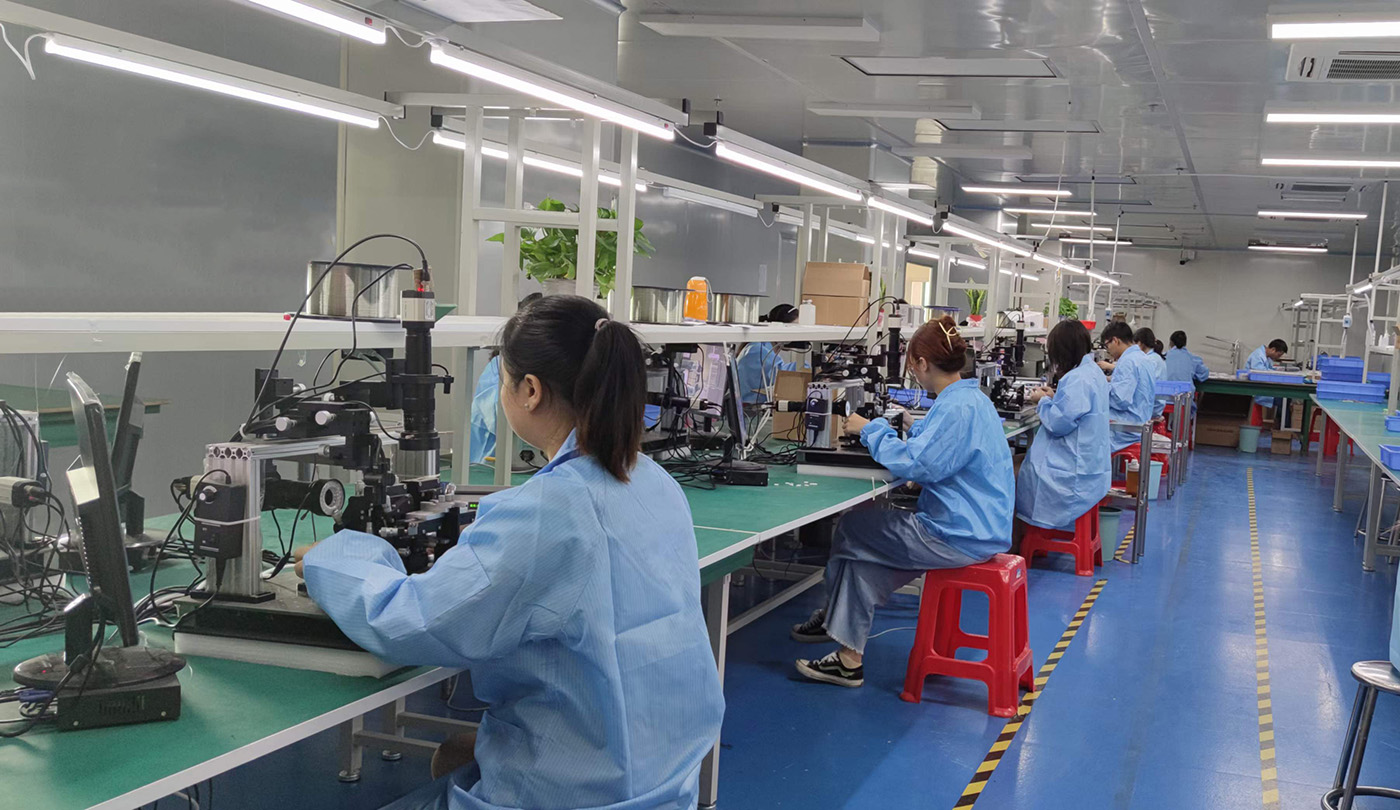
Our commitment ensures that 100% of finished assemblies undergo critical optical validation, geometrical testing via 3D interferometry, and visual inspection under high-magnification video microscopes prior to packing.
Our OEM/ODM optical products have successfully won tenders and continuously satisfy the stringent operational requirements of international network providers, including:
Optimizing Patch Cord Configurations Across Varied Real-world Environments
Understanding how duplex fiber patch cords behave across distinct operating environments allows procurement departments to select the appropriate outer sheathing, armor type, and connector polarity:
Stay Ahead of Tomorrow's Network Scaling Innovations
As networks transition toward 800G and 1.6T data transmission rates, transceiver form factors are evolving. We are witnessing a transition from traditional LC duplex layouts to Very Small Form Factor (VSFF) connectors, including MDC and SN options. These next-generation designs allow for direct breakout configurations and double the patch density of standard LC systems.
Furthermore, environmental sustainability is now a core requirement in international tenders. Global telecom companies increasingly mandate that fiber optic components utilize bio-sourced polymers or halogen-free compounds that minimize carbon footprints without compromising flame retardancy. Kocent Optec continues to invest in these sustainable materials, ensuring our partners remain competitive in modern green-sourcing initiatives.
Addressing Common Questions from Procurement Specialists and Optical Infrastructure Engineers
Price differences stem from the quality grade of raw materials used (e.g., standard generic glass vs. bend-insensitive Corning glass) and the level of production testing. Tier-1 factories test 100% of their assemblies using automated interferometers to confirm exact geometry, whereas budget manufacturers may rely on batch sampling or skip geometric validation entirely. Additionally, high-end components utilize durable zirconia ceramic ferrules rather than cheaper composite alternatives.
Ultra Physical Contact (UPC) connectors are polished flat and are suitable for typical digital data channels, yielding a return loss of ≥ 50dB. Angled Physical Contact (APC) connectors feature an 8-degree angle on the ferrule, directing back-reflections into the cladding. This yields a return loss of ≥ 60dB. APC is vital for high-wavelength analog distributions, WDM systems, and long-haul telecommunications where reflected signals can damage active optical transmitters.
While both OM3 and OM4 fibers are laser-optimized multimode fibers (LOMMF) with a 50μm core diameter, mixing them is not recommended. OM4 offers higher modal bandwidth (4700 MHz·km compared to OM3's 2000 MHz·km). Mixing them can introduce differential mode delay (DMD), leading to packet loss and transmission errors, particularly over long distances or at speeds of 40G/100G.
Low Smoke Zero Halogen (LSZH) jackets are constructed from specialty flame-retardant compounds that emit minimal toxic smoke and no halogens when exposed to extreme heat. PVC, in contrast, releases highly toxic hydrogen chloride gas during combustion. Consequently, LSZH is mandatory in public transport terminals, dense server rooms, and enclosed environments under strict fire safety regulations.
We maintain strict adherence to MSA (Multi-Source Agreement) standards. Our passive duplex patch cords and active optical components are engineered and calibrated to meet standard dimensional tolerances, ensuring seamless interoperability with transceiver modules from brands like Cisco, Finisar, Juniper, and Huawei.
For custom packaging, color coding, or special labeling configurations, our standard factory turnaround is 7 to 14 working days, depending on order volume. Because we manage raw material prep and plastic molding in-house, we can expedite urgent orders to support key operator tenders.
Complementary Infrastructure Components to Optimize Your Optical Transmission Path
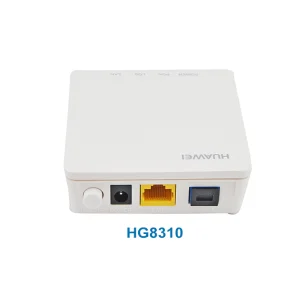
 KOCENT OPTEC