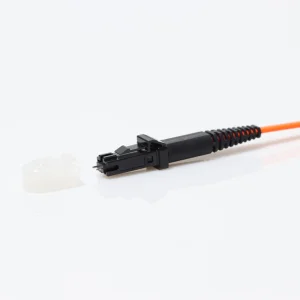
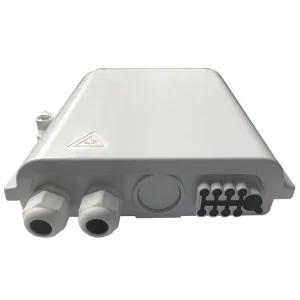
Explore our top-tier network interfaces, cabling infrastructure components, and high-performance optic modules designed for telecom architectures.
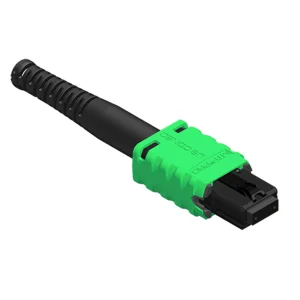
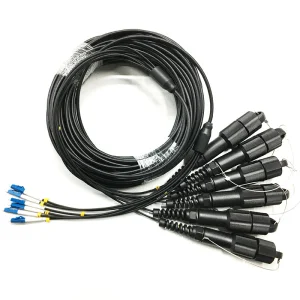
Established in 2012 in Hong Kong as a high-technology communication enterprise, Kocent Optec Limited has solidified its position as one of China's premier fiber optic termination product manufacturers and active/passive optical solution providers.
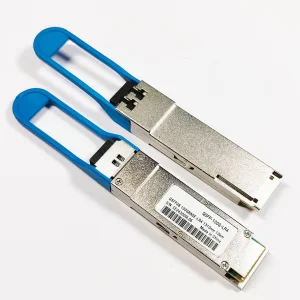
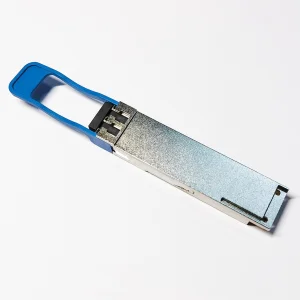
We are relentlessly dedicated to the R&D, precision manufacturing, and global provisioning of high-reliability fiber optic communication products. Our portfolio spans from active optical modules (including 40G QSFP+, 100G, and 200G transceivers) to advanced passive structural component sets, tailored specifically for telecommunication carrier networks, enterprise server farms, and hyperscale cloud data centers.
"By leveraging our extensive engineering experience and deep vertical manufacturing capacities, we magnify operational efficiency for our clients, helping them achieve massive scale while retaining strict reliability standards."

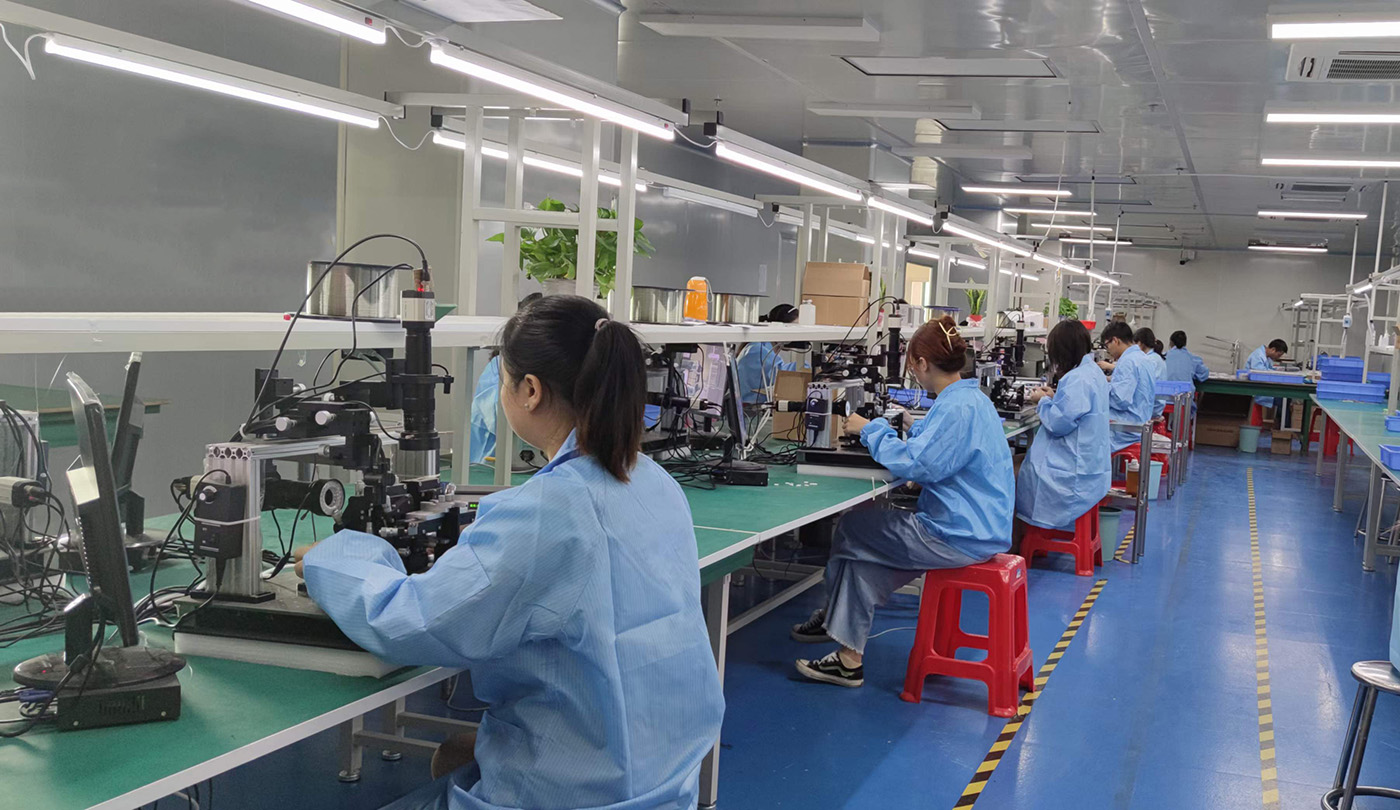
With over 13 years of core engineering expertise in manufacturing telecommunication fiber optic products, Kocent Optec Limited enforces strict compliance with international telco criteria. Our advanced manufacturing systems implement mature scientific testing methodologies to guarantee 100% optical, structural, and electrical validation before container loading.
Every single high-speed Direct Attach Copper (DAC) cable, Active Optical Cable (AOC), and transceiver unit undergoes state-of-the-art diagnostic testing—including Bit Error Rate (BER) analysis, Eye-Diagram verification, and network environment emulation—to safeguard link budget integrity at your deployment site.

Years of localized application support, custom engineering, and transparent pricing have earned us the trust of major network service providers and global telecom operators across East Asia, Europe, North America, and beyond.
Our OEM/ODM products are designed to consistently satisfy the rigorous infrastructure bids of national Tier-1 operators. We are proud to support networks managed by:
Understanding physical layer options, signaling mechanisms, and evolutionary paths for high-density architectures.
In high-speed storage and high-density enterprise environments, QSFP+ (Quad Small Form-factor Pluggable Plus) has become a cornerstone standard for aggregating 10G links into high-speed 40G channels. Utilizing 4 independent transmit and receive channels, 40G QSFP+ cable assemblies offer data center architects highly efficient ways to link top-of-rack (ToR) switches to core distribution systems.
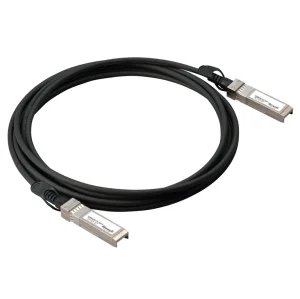
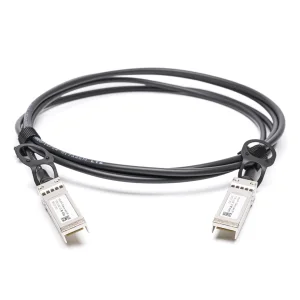
Optimized for short runs (up to 7 meters), Direct Attach Copper (DAC) Twinax cables employ passive copper media. Because there are no active lasers inside the transceiver modules, DACs present a cost-effective, low-latency, and low-power option for rack-level interconnections.
For reaches from 10 to 100 meters, Active Optical Cables (AOC) integrate electrical-to-optical conversion circuits inside the QSFP+ connector heads. They leverage lightweight multimode fiber ribbons, bypassing electromagnetic interference (EMI) and simplifying routing.
Looking ahead, future platforms will phase out legacy VCSEL transceivers in favor of co-packaged silicon photonics, facilitating the migration of 40G QSFP+ configurations into 100G (QSFP28), 400G (QSFP-DD), and 800G optical interfaces.
| Cable Type / Standard | Transmission Medium | Maximum Length | Power Consumption | Latency Profile | Target Applications |
|---|---|---|---|---|---|
| 40GBASE-CR4 DAC | Copper Twinaxial (26AWG - 30AWG) | 0.5m – 7m | < 0.1 Watts | Ultra-Low (Nanosecond) | Intra-cabinet switch-to-switch & server links |
| 40GBASE-AOC | Active Multimode Fiber (OM3/OM4) | 10m – 100m | < 1.5 Watts | Low (Microsecond) | Inter-rack connections in enterprise computing |
| 40GBASE-SR4 MPO | MPO/MTP-12 Fiber Ribbon Core | 100m (OM3) / 150m (OM4) | < 1.5 Watts | Low (Microsecond) | Structured backbone distribution, patch fields |
| 40GBASE-LR4 Duplex | Single-mode Fiber (G.652D) | 10km | < 3.5 Watts | Medium (Fiber Propagation) | Campus backbones and Metropolitan Area Networks |
Optimizing production throughput, shipping times, and compliance frameworks to keep global installations running smoothly.
Whether upgrading legacy systems or building greenfield network infrastructure, understanding localized site layouts is essential:
Choosing a manufacturer based in China's manufacturing clusters provides significant advantages for global operations:
Key integration, architecture, and deployment questions addressed by Kocent Optec's engineering team.
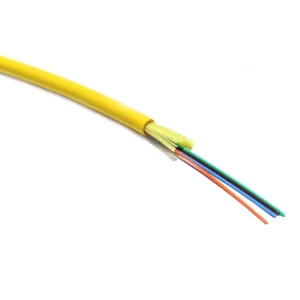
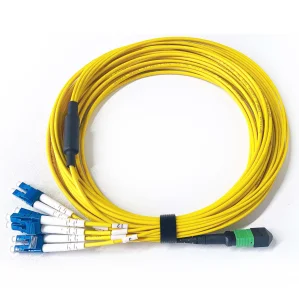
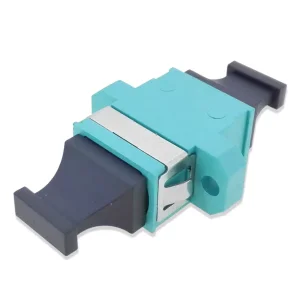
Select from our range of high-performance passive assemblies and fiber jumpers designed for enterprise deployments.
 KOCENT OPTEC