Explore our premium grade active and passive optical network modules, engineered for low attenuation and long-term durability.
An in-depth guide on modern telecommunication deployment standards, ODM customization options, and global structural trends.
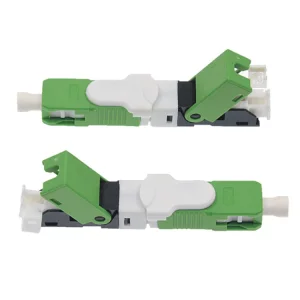
In modern telecommunications, the 24 Port SC Fiber Patch Panel serves as the backbone of high-density optical distribution frames (ODF). Whether deployed within massive cloud data centers, municipal enterprise networks, or FTTX access nodes, these panels act as the physical interface where incoming trunk lines terminate and distribute. SC (Subscriber Connector) configurations are highly favored in carrier-grade topologies due to their pull-proof design, high packaging density, and excellent optical alignment.
Using mature scientific methodologies and high-grade materials, manufacturers optimize the spatial constraints of a standard 19-inch 1U rack enclosure. By supporting 24 SC simplex adapters (or 12 SC duplex adapters), these panels deliver 24 discrete terminations without sacrificing space for crucial bend radius protection or routing tray layouts.
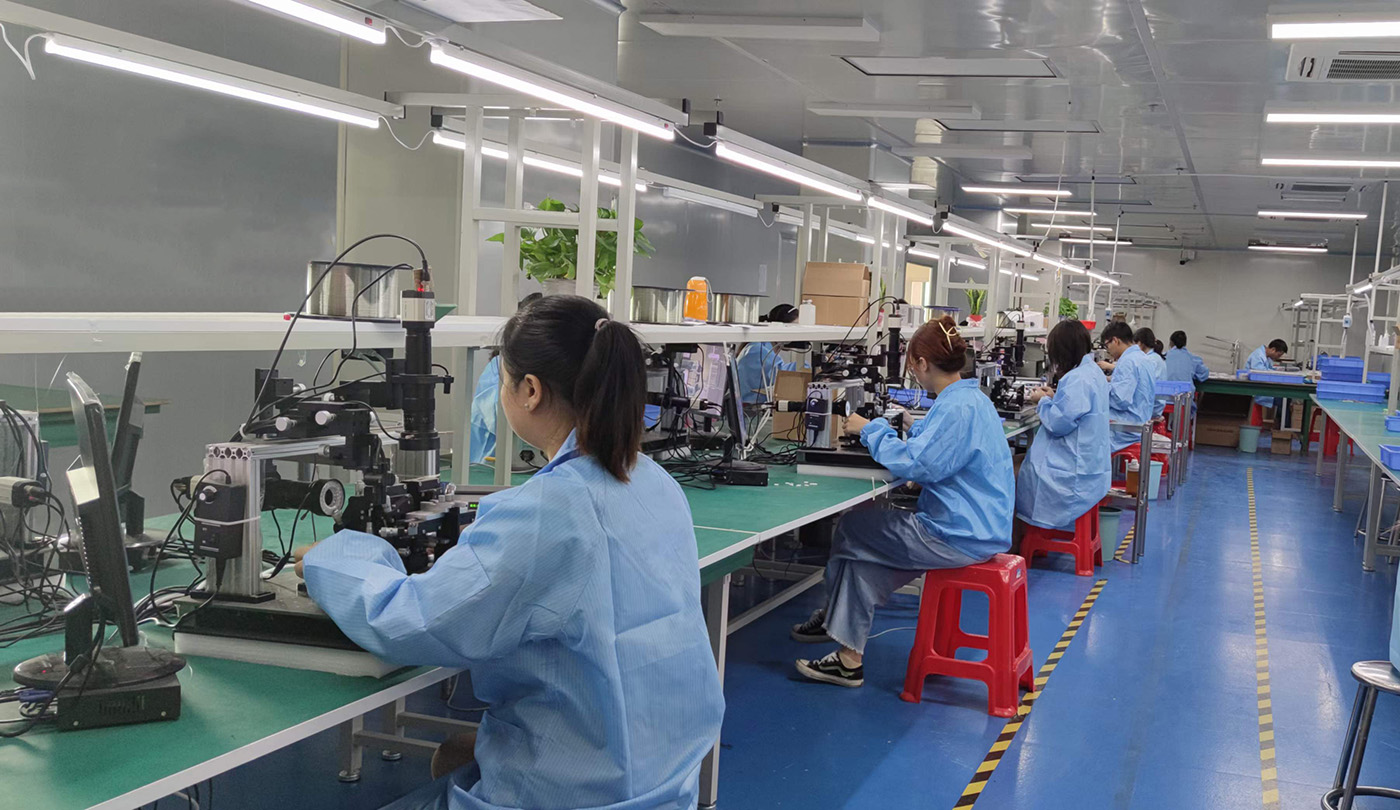
Established in 2012 in Hongkong as a hi-tech communication enterprise, Kocent Optec Limited is one of China's leading fiber optic termination product manufacturers and solution providers. We are dedicated to developing and manufacturing fiber optic communication products ranging from passive to active categories for telecommunication networks, enterprise networks, and data centers.
By leveraging our extensive experience and excellent production capacity gained over the years, we magnify the outcome for our valuable customers, which ultimately expands their core competencies and helps them outperform competitors. We place emphasis on customer collaboration, and we define ourselves as your valuable partner in fiber optic connection solutions. We believe our differentiators are your perceived advantages.

ODM services go far beyond simple branding. Comprehensive ODM design of a 24 Port SC Fiber Patch Panel addresses structural integrity, adapter sleeve precision, ease of access, and fiber longevity.
Constructed from high-strength Cold Rolled Steel (SPCC) or lightweight Aluminum alloy. Typically finished with electrostatic powder coating to prevent corrosion in humid data room environments.
Sliding drawer mechanism with dual metal ball-bearing tracks allows complete forward extension for simplified testing, cleaning, and maintenance without disrupting adjacent rack components.
Premium Zirconia ceramic alignment sleeves ensure extremely tight tolerances, bringing SC-to-SC connector insertion loss below ≤0.2dB and return loss ≥60dB (for APC configurations).
"With more than 13 years of experience in manufacturing telecommunication fiber optic products, we follow strictly fiber optic industry standards by using mature scientific methods to deliver your products on time and ensure that 100% products are tested and inspected before shipment."

Our factories operate under strict ISO 9001:2015 methodologies to verify that every single port is qualified for high-speed transmission. Our quality management systems oversee raw materials, mechanical stress tolerance testing, climatic cycle chambers, and end-face geometry inspections using 3D interferometers.
Years of sales and service experience have enabled us to win customers from different regions. Today, we have customers from East Asia, Southeast Asia, Middle East, Eastern Europe, Western Europe, Northern Europe, South America, North America, North Africa, and South Africa.
Global purchasing departments at Tier-1 telecom operators and high-scale infrastructure integrators seek highly reliable, compliant ODF systems. Telecom network tenders require compliance with international certifications including Telcordia GR-326-CORE, RoHS, CE, and UL 94 V-0 flame retardancy for plastics.
Our ODM product designs are built to resolve localized logistical and deployment hurdles, such as space-restricted street cabinets or outdoor cellular base-station backhaul interfaces. By partnering with leading service providers, Kocent Optec ensures all terminal configurations can withstand wide thermal fluctuations without degrading insertion and return loss performances.
Win-win cooperation is our constant goal. Many of our OEM and ODM products won the Telecom Operator tenders and satisfy strict end-user requests. Our main terminal telecom operators include: SingTel, Vodafone, America Movil, Telefonica, Bharti Airtel, Orange, Telenor, VimpelCom, TeliaSonera, Saudi Telecom, MTN, Viettel, Bitel, VNPT, Laos Telecom, MYTEL, Telkom, Telekom, Entel, FiberTel, StarFiber, Ooredoo, Beeline, Azercell.
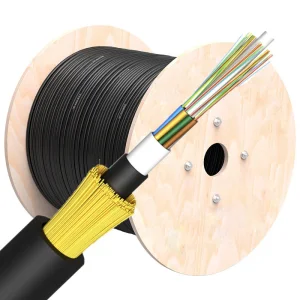
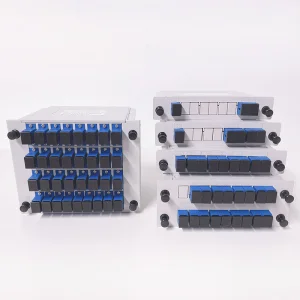
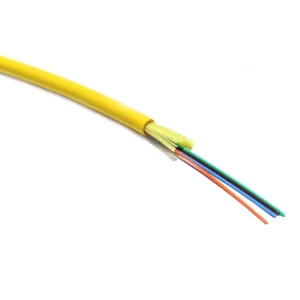
A 24 Port SC Fiber Patch Panel does not operate in isolation. It coordinates directly with primary network trunk systems like outdoor ADSS cables, indoor fanout tight-buffered assemblies, and splitters.
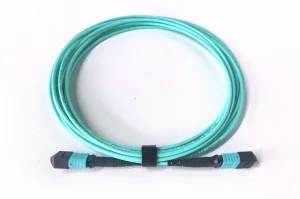
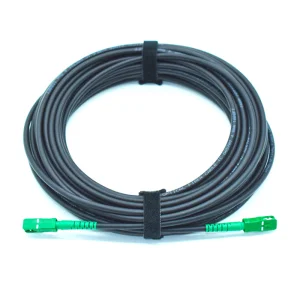
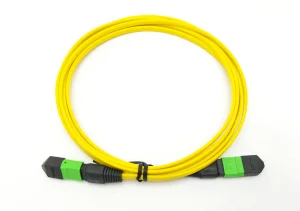
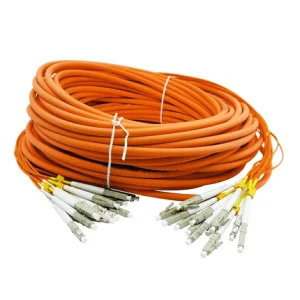
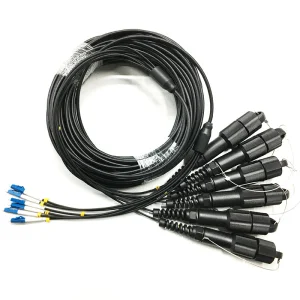
When utilizing pre-terminated optical assemblies, trunk lines are routed through built-in rear clamping assemblies, protecting the delicate splices inside the internal trays. Correct color-coding, logical port-mapping, and robust labeling accessories are standard for ODM runs, supporting rapid field deployment and minimizing installation errors.
As bandwidth needs increase with 5G expansion, Edge Computing, and AI data centers, the standard patch panel configuration is undergoing evolutionary updates:
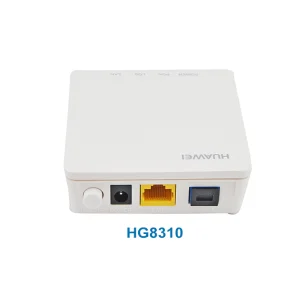
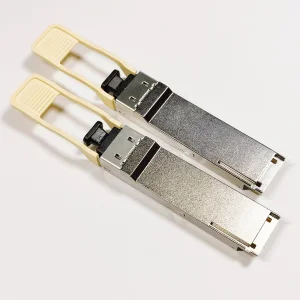
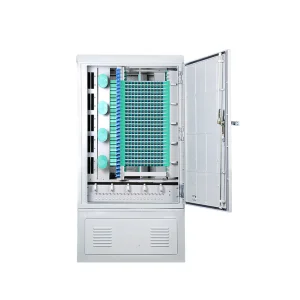
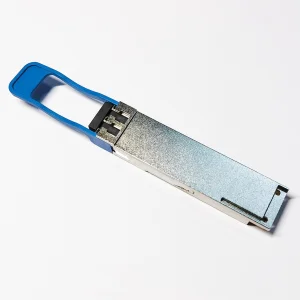
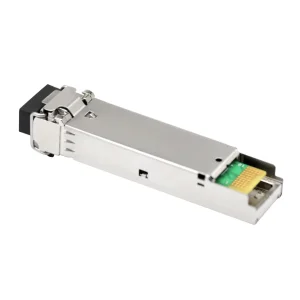
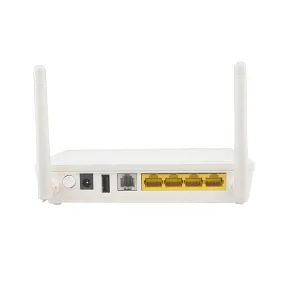
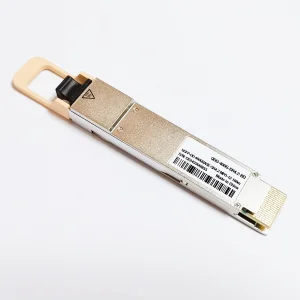
Complementary active optical transceivers, network interface units, and outdoor connection cabinets for end-to-end network deployment.
 KOCENT OPTEC