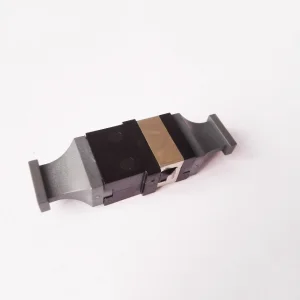
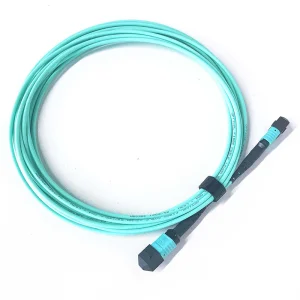
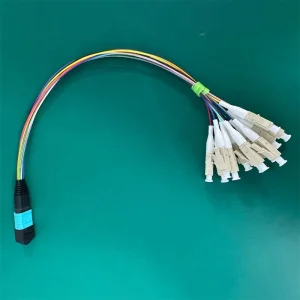
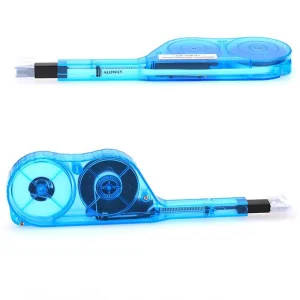
Next-generation high-speed network components optimized for Sri Lanka's datacenter scalability and carrier core upgrades.
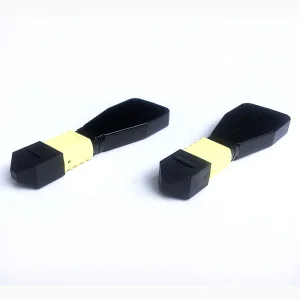
An authoritative analysis of optical fiber migration, high-density networks, and deployment frameworks.
Sri Lanka's digital infrastructure is undergoing an unprecedented modernization phase. Driven by the expansion of the Colombo Port City Financial District, national 5G rollouts by major carriers like SLT-Mobitel and Dialog Axiata, and the landing of high-capacity subsea systems (including the South East Asia-Middle East-Western Europe 6 - SMW6 network), the demand for scalable backbone bandwidth is growing rapidly. Local data centers and telecom hubs are transitioning from legacy duplex LC patch cables to high-density MTP (Multi-fiber Termination Push-on) and MPO (Multi-fiber Push-on) multi-fiber connectivity systems.
This migration is essential for supporting 40G, 100G, 400G, and 800G transmission rates. Legacy infrastructure with standard LC connector panels requires significant physical space and creates complex cable management issues. Implementing factory-terminated, pre-engineered MTP/MPO solutions reduces space requirements in standard 19-inch equipment racks by up to 75% and speeds up deployment times for local systems integrators.
Tropical deployment requires components with high thermal stability and humidity control. High relative humidity in coastal regions like Colombo and Hambantota can accelerate micro-condensation on optical interfaces. Precision-molded MT ferrules with thermoplastic composite structures prevent mechanical drift and maintain insertion loss ratings under varying climatic conditions.
A common misconception in the local market is using "MPO" and "MTP" interchangeably. MPO is the generic industry standard acronym for Multi-fiber Push-on connectors, defined by international standards such as IEC 61754-7 and TIA-604-5. MTP® is a registered trademark of US Conec Ltd., describing a proprietary MPO connector manufactured with specific performance-enhancing mechanical features.
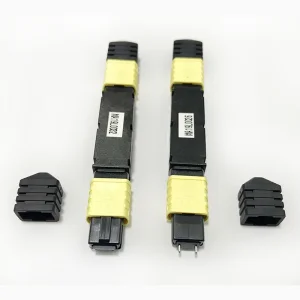
MTP connectors feature a floating ferrule that maintains physical contact under load, elliptical guide pins to reduce guide-hole wear, and a removable housing design that allows field polishing or gender changes. In Sri Lanka's critical enterprise networks, specifying MTP connectors helps guarantee low insertion loss profiles (such as Elite versions rated at 0.35dB max) compared to standard MPO connectors (rated at 0.75dB max), ensuring proper optical power budgets.
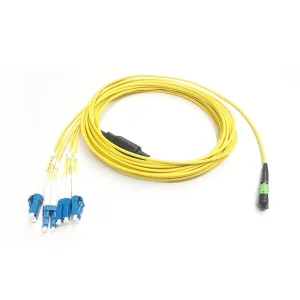
OM3/OM4/Singlemode high-performance pre-terminated trunking and breakout configurations.
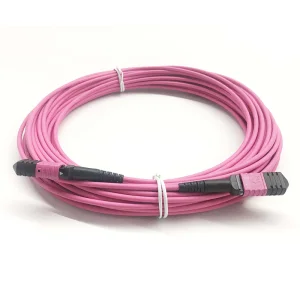
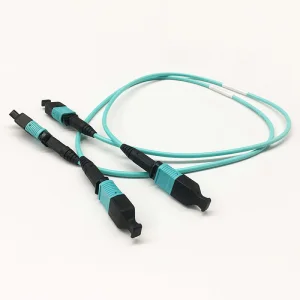
International infrastructure projects require high-quality fiber patch cables to prevent outages. Telecom operators and data center networks look for MTP/MPO suppliers that can guarantee adherence to strict standards. Quality indicators include:
Modern data centers rely on three key architectures to support density, flexibility, and easy migrations:
Uses multiples of 12 fibers (12, 24, 48, 72, 96, 144) to provide backbone routing. It matches traditional duplex applications via LC breakout cassettes and supports migrations to 40G (using 8 of the 12 fibers).
Designed for transceiver models like QSFP+, QSFP28, and OSFP, which use 8-fiber layouts. Base-8 routing helps optimize fiber utilization, eliminating dark fibers in 40G/100G configurations.
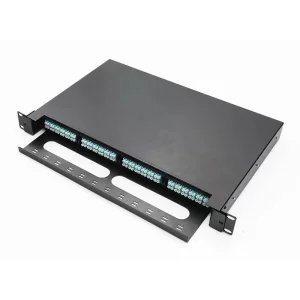
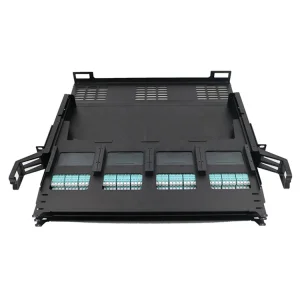
Combines sliding high-density 1U/2U patch panels with modular cassettes to fit up to 144 or 192 fiber terminations in a single rack unit, maximizing port availability.
Budgeting for MPO/MTP networks in Sri Lanka requires understanding the variables that influence pricing. Factors that affect project cost include:
| Component Group | Key Cost Variables | Sri Lankan Market Context |
|---|---|---|
| Fiber Core Count | 8F, 12F, 16F, 24F, 48F, 144F options | 12F and 24F standard types offer the lowest per-core component cost. |
| Glass Category | Singlemode OS2 vs. Multimode OM3/OM4/OM5 | Singlemode OS2 is common for long-haul layouts; OM4 is standard in modern datacenters. |
| Connector Selection | Standard MPO vs. US Conec MTP (Elite low loss version) | Elite MTP connectors add a premium but reduce insertion loss to 0.35dB max. |
| Outer Sheath Rating | PVC vs. LSZH vs. OFNP Plenum jackets | LSZH is recommended for public spaces, while Plenum is used in datacenter containment zones. |
| Logistics & Duties | Freight, Customs VAT, PAL, Cess, TRCSL approvals | Import duties and TRCSL telecom approvals must be factored into project timelines. |
A leading developer and manufacturer of passive and active fiber optic termination solutions.
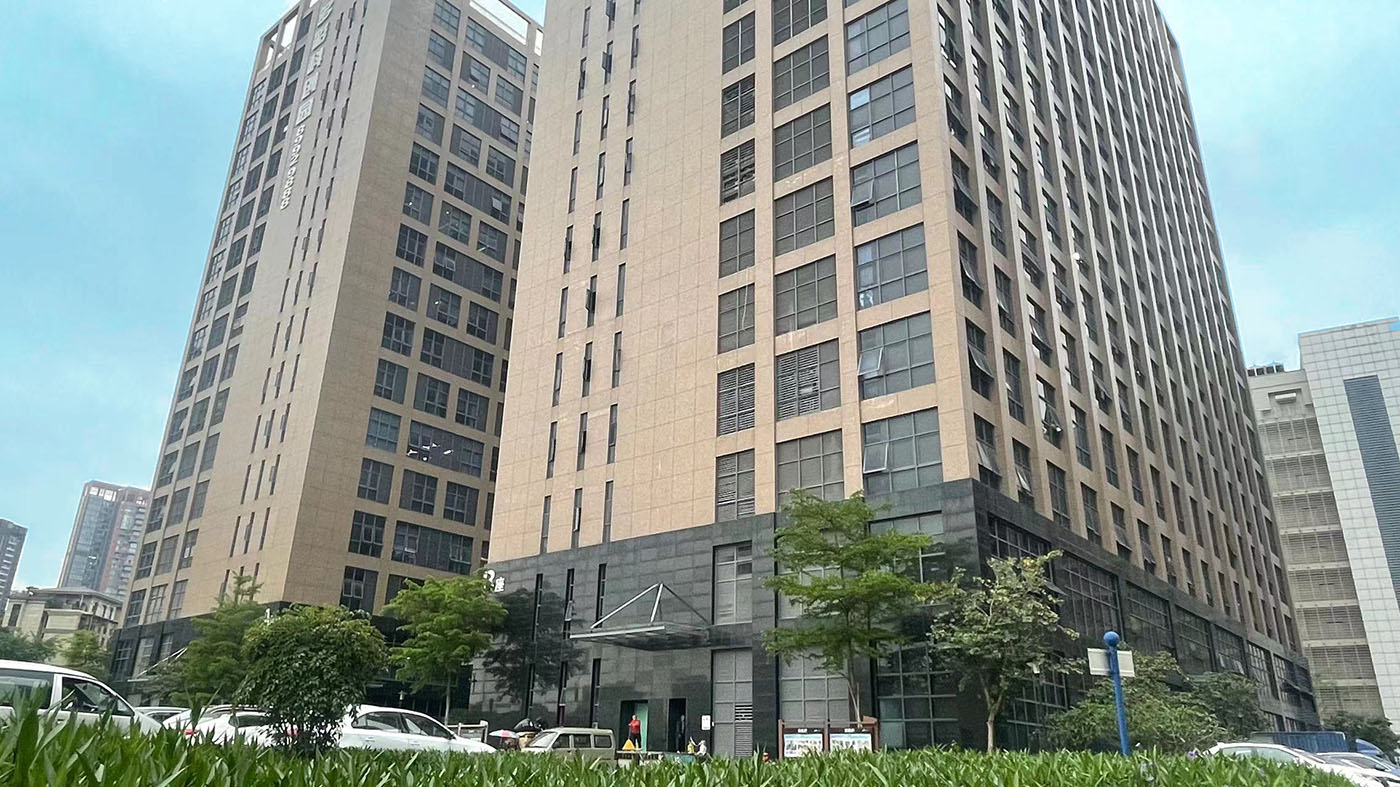
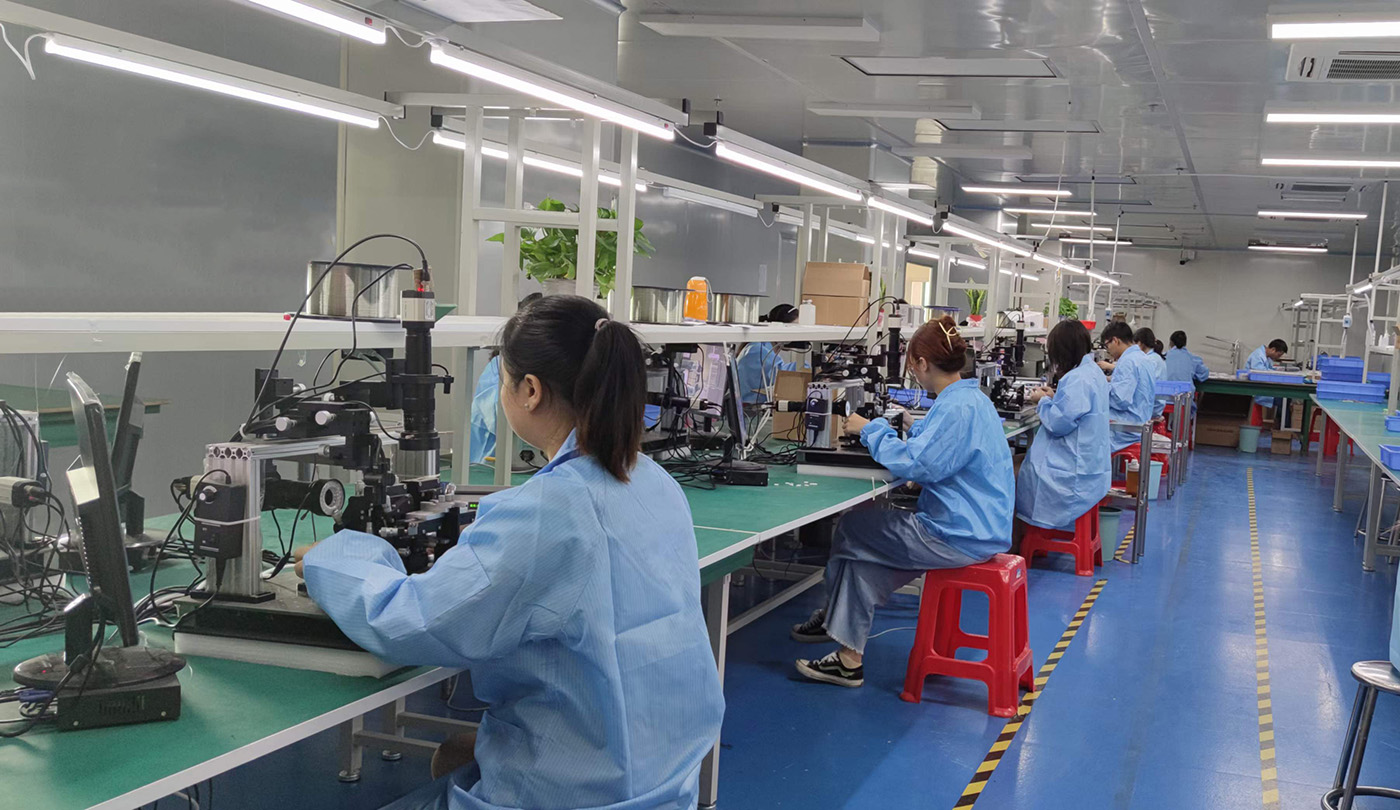
Kocent Optec Limited was established in 2012 in Hong Kong as a hi-tech communication enterprise. We are one of China's leading fiber optic termination product manufacturers and solution providers. We are dedicated to developing and manufacturing fiber optic communication products ranging from passive to active categories for telecommunication networks, enterprise networks, and data centers.
By leveraging our extensive experience and excellent production capacity gained over the years, we magnify the outcome for our valuable customers, which ultimately expands their core competencies and helps them outperform competitors. We place emphasis on customer collaboration, and we define ourselves as your valuable partner in fiber optic connection solutions. We believe our differentiators are your perceived advantages.
With more than 13 years of experience in manufacturing telecommunication fiber optic products, we follow strictly fiber optic industry standards by using mature scientific methods to deliver your products on time and ensure that 100% of products are tested and inspected before shipment.

Years of sales and service experience have enabled us to win customers from different regions. Today, we have customers from East Asia, Southeast Asia, Middle East, Eastern Europe, Western Europe, Northern Europe, South America, North America, North Africa, and South Africa.
Win-win cooperation is our constant goal. Many of our OEM and ODM products have won Telecom Operator tenders and satisfy end-user requests.
Importing fiber optic cabling systems to Sri Lanka requires compliance with the Telecommunications Regulatory Commission of Sri Lanka (TRCSL). Commercial shipments must have the necessary import licenses and type approvals for telecom devices. Active systems and specialized fiber transceivers also require terminal equipment approval.
Kocent Optec Limited supports local engineers, distributors, and contractors by providing complete product compliance documentation, factory test reports, and certifications to help streamline the TRCSL clearance process. Additionally, our packaging is designed to protect optical interfaces from humidity during sea transit to Colombo Port.
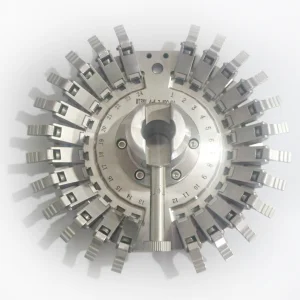
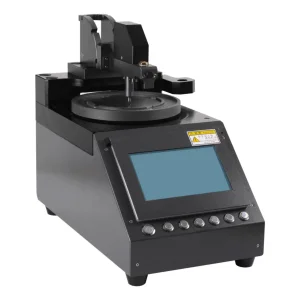
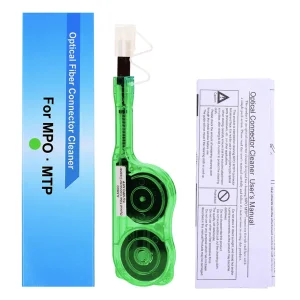
High-density cassettes, patch panels, polishing systems, and specialized cleaning equipment.
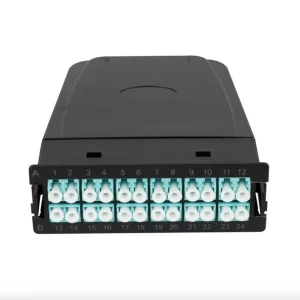
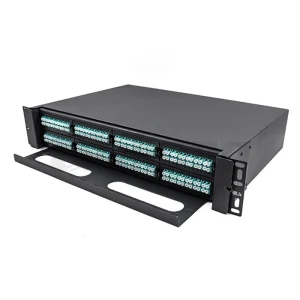
As networks expand, telecom infrastructures must prepare for higher speeds. The table below highlights how MPO/MTP architectures support standard interfaces for upgrading to 400G and 800G transmission rates:
| Protocol Interface | Transmission Bandwidth | Fiber Design Pattern | Required MPO/MTP Connector Interface |
|---|---|---|---|
| 100G BASE-SR4 | 100 Gbps | 8-Fibers (4 Transmit, 4 Receive) | MPO-12 or MTP-12 (Base-8 configuration, 4 unused channels) |
| 400G BASE-SR8 | 400 Gbps | 16-Fibers (8 Transmit, 8 Receive) | Single-row MPO-16 or dual-row MPO-24 interfaces |
| 400G BASE-DR4 | 400 Gbps | 8-Fibers Singlemode parallel | MTP-12 (APC polished, low return loss design) |
| 800G SR8.2 | 800 Gbps | 16-Fibers (PAM4 modulation format) | MTP-16 connector system (Base-16 architecture pattern) |
Answers to common technical and logistical questions for deployments in Sri Lanka.
 KOCENT OPTEC